REVIEW · CAIRO
Day Tour to Giza Pyramids & Grand Egyptian Museum
Book on Viator →Operated by Ancient Egypt Tours · Bookable on Viator
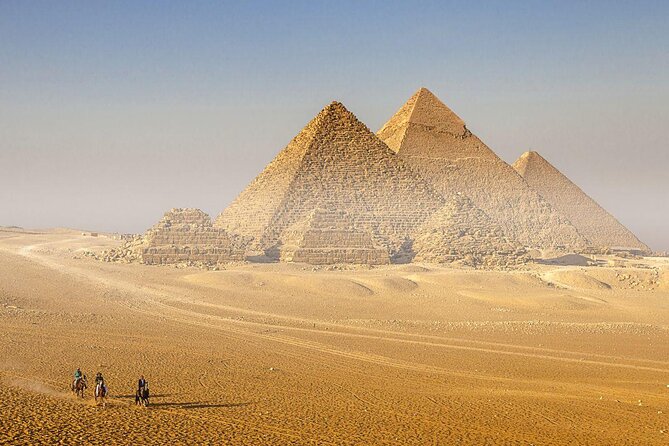
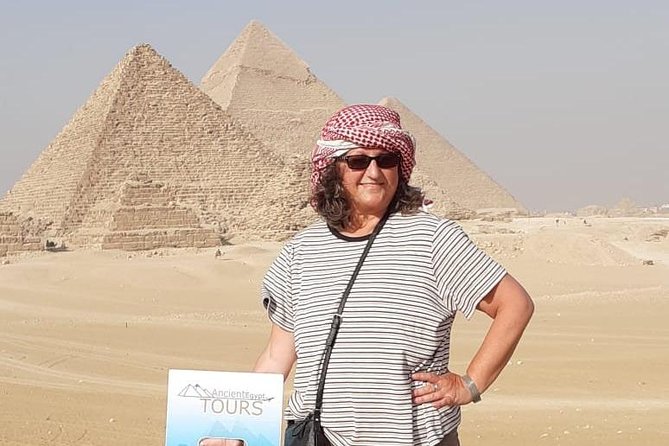
Pyramids and museum masterpieces in one day. The Grand Egyptian Museum visit plus the Giza plateau sites (Great Pyramid, Sphinx, Valley Temple) make this a strong mix if you want Egypt’s headline moments without planning your own transport. I especially like the way the day pairs big, iconic monuments with museum time where you can actually slow down and look at artifacts like King Tutankhamun treasures. You’ll also love the photo opportunities from the Panoramic Point, where the desert-to-pyramid views feel unreal.
One thing to watch: if you want to go inside any pyramid, you’ll need a special ticket, and it’s not the kind of thing you want to leave to chance.
In This Review
- Key highlights you’ll feel on this tour
- Price and logistics: what $30 really buys you
- Pickup, timing, and Cairo traffic reality checks
- Grand Egyptian Museum (GEM): why the stop at the end is smart
- Stop-by-stop: Giza plateau walkthrough that makes sense
- The Valley Temple of Khafre and the Sphinx connection
- Great Pyramid of Khufu: best way to see it without getting stuck
- Khafre’s pyramid: the causeway and the “still intact” feeling
- Menkaure’s pyramid and what to look for
- Panoramic Point and camel ride option: where photos become souvenirs
- Great Sphinx time: what you’ll notice with a guide
- English-speaking guides: the difference between seeing and understanding
- What’s included, what’s not, and common add-ons
- Value check: who this tour fits best
- Should you book this Giza Pyramids and Grand Egyptian Museum day tour?
- FAQ
- How long is the Day Tour to Giza Pyramids & Grand Egyptian Museum?
- Where is pickup included from?
- Is the pickup price always included in the $30?
- What tickets are included?
- Do I need a special ticket to enter the pyramids from inside?
- Is the camel ride included?
- Do you provide bottled water?
- Is there an English-speaking guide?
- What is the cancellation policy?
Key highlights you’ll feel on this tour
- Hotel pickup + private air-conditioned transfers help you dodge Cairo’s worst stress.
- Expert English-speaking guide gives context at the pyramid sites and during the museum visit.
- Giza Valley Temple and Great Sphinx stop are built into the route, not tacked on later.
- Panoramic Point time is timed for photos, and camel rides are an option.
- Grand Egyptian Museum highlights include major Tutankhamun and Ramses II-related pieces.
- Clear inside-pyramid note: you can enter the sites, but entering interiors needs a separate ticket.
Price and logistics: what $30 really buys you
At about $30 per person for an 8-hour day, this tour is priced to be accessible while still delivering the big two: Giza Pyramids and the Grand Egyptian Museum. What you’re paying for is not just transportation, but a guided route that helps you make sense of a site that’s easy to get lost in on your own.
A key detail: pickup is included, but there’s an extra 10 USD per person if you’re coming from airport hotels or certain areas like Nasr City, New Cairo, or 6 of October. If your hotel is outside their practical pickup zone, the driver still tries to adjust pickup, but it may affect the cost. Plan for a meeting that’s smooth and keep your phone handy for updates, because one review flagged vague meeting place info that caused stress.
You can also read our reviews of more museum experiences in Cairo


Pickup, timing, and Cairo traffic reality checks
This is a full day with pickup from your hotel or requested location, using a private, air-conditioned vehicle. That matters in Cairo because getting across town without a driver who knows routes can turn your schedule into a gamble.
You should expect a day that moves. The tour is built around multiple stops on the Giza plateau, plus the museum visit later in the day, so you’ll get less time than a slower, split-day plan. I like this style for first-timers, but if you prefer lingering at every corner, you may feel the pace.
Grand Egyptian Museum (GEM): why the stop at the end is smart
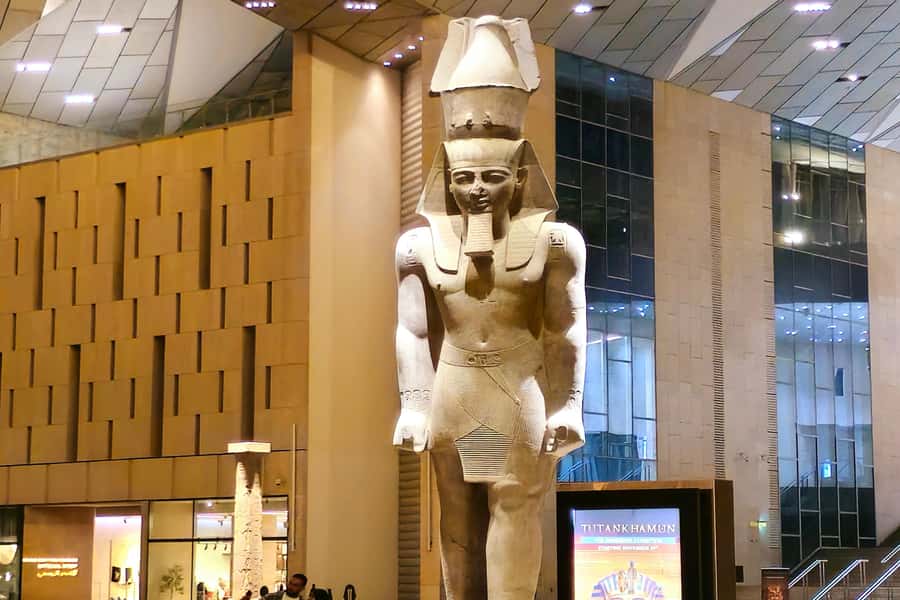
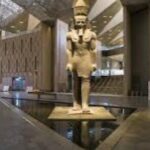
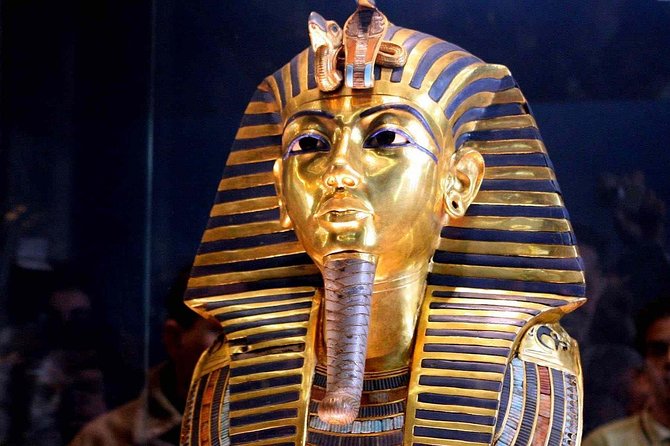
The Grand Egyptian Museum is the “slow down” part of your day. In the information you get, it’s described as holding tens of thousands of artifacts across thousands of years, including major treasures connected to King Tutankhamun, plus a grand statue tied to Ramses II. That’s exactly what you want after walking around stone monuments: you shift from “where did this stand?” to “what did they actually make and value?”
You’ll have about 2 hours here. That’s enough time to see multiple gallery areas and still not feel like you sprinted. For a museum like GEM, I suggest focusing on standout pieces first (Tutankhamun-related treasures are a common anchor), then use your guide to point out what connects the art to the people and power behind the scenes.
One practical note from reviews: some people found parts of the museum disappointing from a display standpoint, while others still felt it was worth it for the treasures and the overall collection. That matches what you might expect when a museum is still in a period of change and setup. Your best bet is to go with a plan: pick the headline artifacts you care about most, and let the rest be bonus.
Stop-by-stop: Giza plateau walkthrough that makes sense
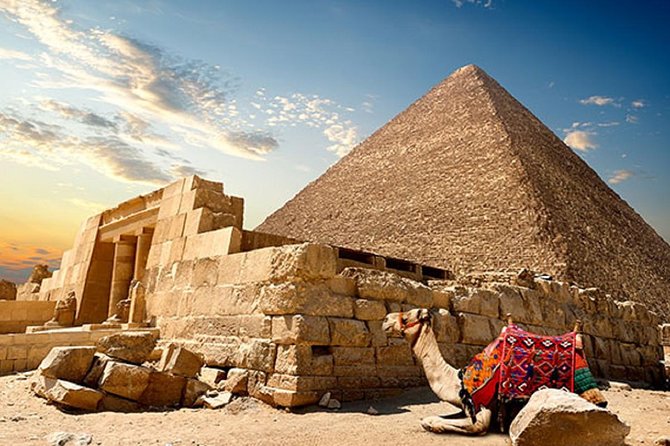
This tour is structured to cover the core Giza circuit: Valley Temple, Great Pyramid area, Khafre’s pyramid area, panoramic views, and the Sphinx. You don’t just drive past landmarks—you stop, get oriented, and get explanations.
The Valley Temple of Khafre and the Sphinx connection
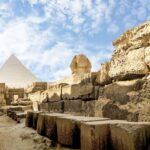
You start with the Giza plateau circuit and begin around the Valley Temple of Khafre. The Valley Temple is significant because it’s tied to the ritual side of royal preparation and the mummification process. You’ll also learn what the temple buildings represent in the broader pyramid complex, not just as “ancient stone.”
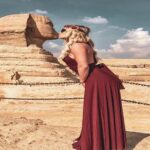
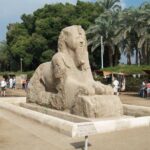
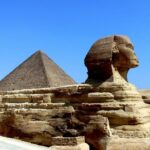
Then you meet the Great Sphinx, the guardian figure with a lion’s body and a human king’s head. The tour description frames it as protecting the Giza burial area. This is one of those moments where having a guide helps, because the Sphinx is famous, but explanations about what it represents give the face and posture more meaning than a quick glance.

Great Pyramid of Khufu: best way to see it without getting stuck
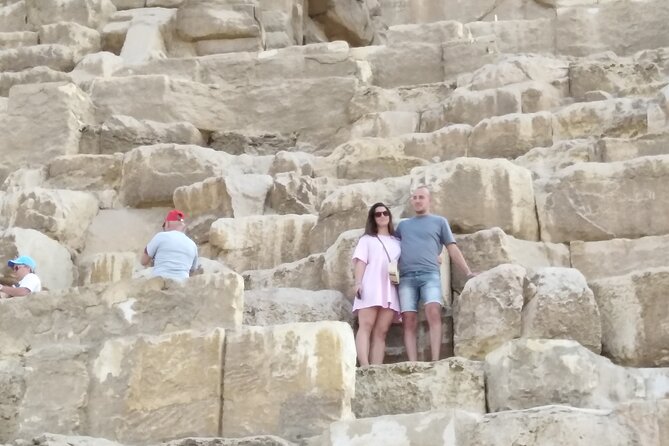
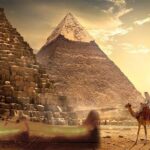
The Great Pyramid of Khufu gets its own stop, with about 1 hour on site. This is the only ancient wonder still standing, and it’s also the tallest structure on Earth for more than 3,800 years. Even if you’ve seen photos, the scale is what hits you first.
The important practical detail is the difference between entering the complex vs. entering the pyramid interior. The tour info says access to the site area is handled (ticket included/free depending on the stop), but entering the pyramid from inside requires a special ticket. If that interior experience matters to you, ask your guide early so you’re not trying to solve logistics after you’re already tired and sunburned.
Also, keep your expectations realistic. Inside tickets can be limited, and the process can be stressful if you wait. Going for the outside experience still gives you plenty: geometry, lines, and the sheer presence of the structure.
Khafre’s pyramid: the causeway and the “still intact” feeling
Khafre’s pyramid comes next with about 30 minutes. You’ll also see the Valley Temple and the causeway area linked to Khafre’s complex. The tour notes highlight that the area remains in better condition, which can help you visualize how the complex functioned as a whole.
Inside-pyramid access is the same story: special ticket required if you want the inside. For most people, the value here is in understanding the layout and noticing how Khafre’s complex compares to Khufu’s.
Menkaure’s pyramid and what to look for
The tour calls out Menkaure as the smallest of the Giza plateau pyramids and mentions the granite outer layer remaining on the lower part of the pyramid. That detail is worth paying attention to because it gives you a clue about how far Egyptian engineering reached—granite sourced from Aswan, a huge distance away.
Even with a short time window, you can still spot what your guide is steering you toward. Ask your guide what feature to focus on, and you’ll come away feeling you actually learned something, not just walked around.
Panoramic Point and camel ride option: where photos become souvenirs
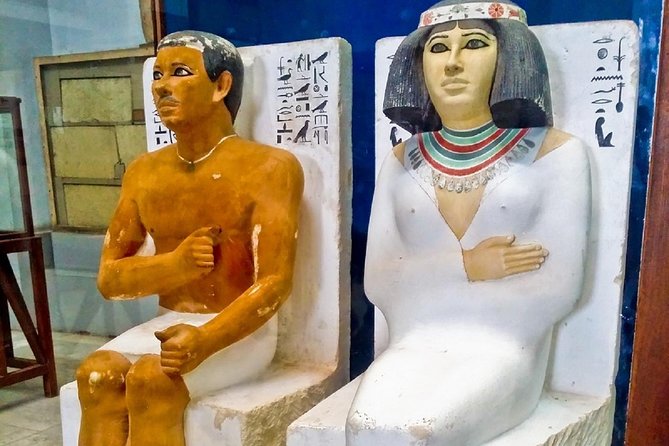
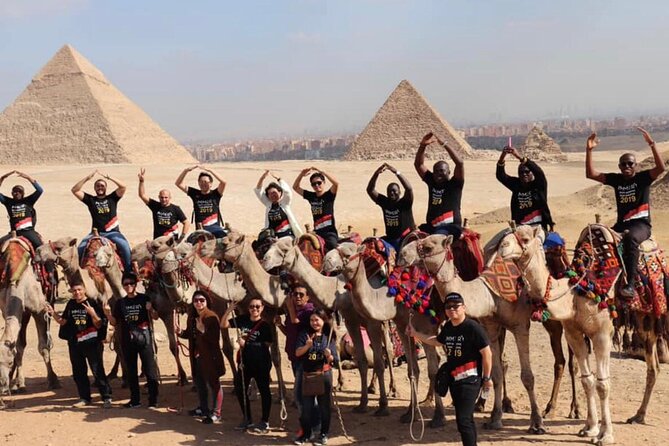
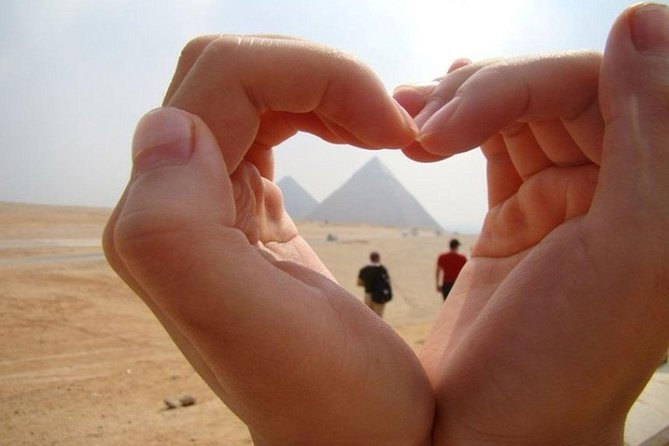
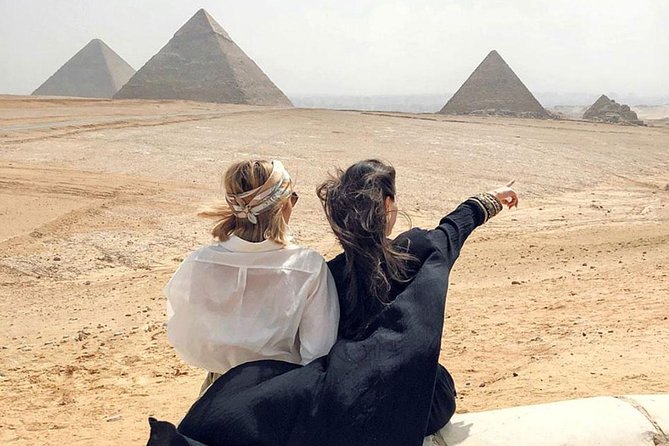
You’ll get about 30 minutes at a panoramic view of multiple pyramids and the Giza city area. This is where the tour stops being just history and turns into a “wow, I get it now” moment. The angle matters, and this is the type of view that makes even a travel-photos skeptic stop pretending they don’t care about pictures.
Camel rides are described as an option here. Since the inclusions list doesn’t clearly say camel rides are included, you should treat it as optional and plan for extra payment if you choose to ride. If you do it, keep it short and focused. You’ll get a better experience if you’re not trying to negotiate mid-ride.
Great Sphinx time: what you’ll notice with a guide
You’ll have another stop at the Great Sphinx area with about 30 minutes. That repeats the idea from earlier in the day, but it’s useful because the best views and best photo angles can happen in different moments depending on where your group ends up.
The Sphinx is often photographed from a distance. Up close, you notice the face proportions and the body mass. With a guide, you also get help interpreting why the Sphinx is placed there—again, it’s about guarding and anchoring the complex.
If you’re sensitive to crowds, come prepared for it. This is one of the busiest sites in Egypt, so your “best” experience depends on timing and patience.
English-speaking guides: the difference between seeing and understanding
The tour includes an English speaking expert guide, and reviews show how much that can matter. Names came up like Ali ibrahem, who was described as on time, knowledgeable, professional, and friendly. Another review mentioned Mohammed and driver Ahmed doing a good job and assisting with pictures. Others referenced guides like Mohamed andelnasser as part of a comfortable, well-handled experience.
That said, one caution from reviews is that tip requests or bargaining for more tips can become awkward. Another caution: shopping pressure is real. Some reviews mention that selling to visitors can get overbearing after a while. So here’s my practical advice: decide in advance how you’ll handle offers. You can politely say no, and you don’t need to argue. If your guide can keep you focused on the sights, you’ll enjoy the day more.
What’s included, what’s not, and common add-ons
Included items in the tour info include:
- Pickup service from your hotel/requested location
- Private air-conditioned vehicle for transfers
- Area entry tickets (if you chose the pickup option)
- Bottled water
- English-speaking expert guide
Not included:
- The possible extra 10 USD per person for pickup from specific areas
- Extra costs if you want to enter any pyramid interiors with special tickets
One more thing: some reviews mention a lunch stop and extra side visits, but the core itinerary described here doesn’t list lunch as a guaranteed included item. For planning, treat food as something you may need to buy or arrange during the day, especially since you’re out about 8 hours.
Value check: who this tour fits best
I think this tour is a strong first-time option if you want the classic monuments in one day without juggling tickets, routes, and timing on your own. The value is best for people who want:
- Guided orientation at Giza
- Museum time at GEM
- Comfort and logistics handled by someone else
It may not be the best choice if:
- You want lots of downtime between sites
- You’re picky about museum displays and want a slower, more controlled viewing pace
- You hate any shopping pressure and need a very hands-off day
Should you book this Giza Pyramids and Grand Egyptian Museum day tour?
If you’re choosing between DIY and a guided day, I’d lean toward booking this if you’re short on time and want the essential sights plus a museum visit. The biggest reason is simple: this route turns a complicated day into a workable plan, with guided explanations and transport lined up.
I’d book with two conditions. First, confirm the inside-pyramid ticket situation early if you want that option. Second, set your expectations about pace, crowds, and the possibility of sales pressure so you don’t end up annoyed at the wrong time.
If that sounds like your style, this is a good way to connect the pyramids you’ve seen in photos with the artifacts that explain who built them and why.
FAQ
How long is the Day Tour to Giza Pyramids & Grand Egyptian Museum?
It runs for about 8 hours.
Where is pickup included from?
Pickup is offered from your hotel or requested location. If your hotel is out of range, the driver will make the pick up.
Is the pickup price always included in the $30?
Pickup is included, but there is an extra 10 USD per person for pickup from airport hotels, Nasr City, New Cairo, and 6 of October city.
What tickets are included?
The tour includes area entry tickets (if you choose the pickup option) and admission tickets for certain parts of the itinerary. The museum stop includes admission ticket time.
Do I need a special ticket to enter the pyramids from inside?
Yes. The guide can assist, but entering the pyramids from inside requires a special ticket.
Is the camel ride included?
Camel rides are mentioned as an option at the Panoramic Point, but the inclusions list does not clearly state camel rides are included.
Do you provide bottled water?
Yes, bottled water is included.
Is there an English-speaking guide?
Yes, the tour includes an English-speaking expert guide.
What is the cancellation policy?
Free cancellation is available up to 24 hours in advance for a full refund.