REVIEW · CAIRO
Cairo/Giza: Guided Pyramids, Sphinx and Egyptian Museum Tour
Book on GetYourGuide →Operated by Egypt Excursions Online · Bookable on GetYourGuide
One day, three Cairo icons. I love how this tour strings together the Pyramids of Giza and the Egyptian Museum with clear Egyptologist storytelling, so you’re not just looking at monuments—you’re understanding them.
I also like the museum focus on headline moments like Tutankhamun’s golden treasures and the Royal Mummies Hall, where the scale feels real and close up.
The one snag is that some itineraries include optional shop stops (papyrus, oils, cotton, carpets) that can feel like time fillers if you want only pyramids and museum.
If you want more than Giza, you can stretch into Old Cairo, the Citadel, or Khan el-Khalili, and there’s even a VIP version with a Felucca Nile sail for a full Cairo finale.
In This Review
- Key things to know before you go
- A single-day Giza and Cairo plan that actually makes sense
- From pickup to drop-off: what your timing really depends on
- Egyptian Museum of Antiquities: Tutankhamun and the rooms you’ll remember
- Giza Pyramids and the Great Sphinx: the wow factor plus smart navigation
- Old Cairo, the Citadel, and Khan el-Khalili: when you want Cairo beyond Giza
- The shopping stops: how they fit, and when to say no
- VIP upgrade: Felucca on the Nile for a calmer finish
- Price and value: what $41 buys you, and what it doesn’t
- Who this tour fits (and who should skip it)
- Should you book this Giza Pyramids, Sphinx, and Museum tour?
- FAQ
- How long is the Cairo/Giza Pyramids, Sphinx and Egyptian Museum tour?
- What’s included in the tour price?
- Is lunch included?
- Does the tour include a Felucca ride on the Nile?
- Are the inner chambers of the Great Pyramid included?
- What languages are available for the guide?
- Where does pickup happen?
- What should I bring and avoid during the tour?
Key things to know before you go
- You can build your own Cairo day: Pyramids-only, Museum + Pyramids, or add Old Cairo/Citadel/Khan el-Khalili
- Egyptologist-guided museum time: expect a structured visit with major highlights like Tutankhamun and the mummies
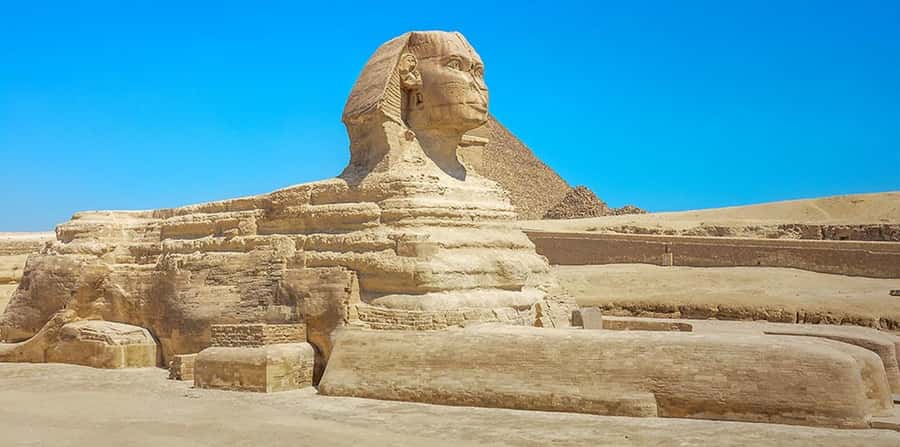
- Pyramids + Sphinx in one hit: see the Great Pyramid of Khufu and the Sphinx without doing it solo
- Shopping stops are included at times: papyrus and oils stops can eat time unless you ask to skip
- Inner chambers of the Great Pyramid are not included: so plan expectations accordingly
- VIP includes lunch and a Felucca sail: the most “Cairo all-in-one-day” option
A single-day Giza and Cairo plan that actually makes sense
Cairo can be overwhelming fast. Dust, traffic, hawkers, lines, and a lot of competing “must-sees.” What I like about this tour is the structure: you move between the three big anchors—Giza, the Sphinx, and the Egyptian Museum—so your day feels purposeful instead of random.
The tour is also flexible by design. If you’re short on time, you can do a Pyramids-focused option (morning or afternoon). If you’ve got more stamina, you can add the museum, and then keep going into Old Cairo and major landmarks like the Citadel and Khan el-Khalili. That means you’re choosing how intense your Cairo day gets, not just hoping the schedule works.
One practical plus: you’re not stuck figuring out museum introductions, which entrances to use, or where to spend your limited attention. Your guide’s job is to keep the day moving while still explaining what you’re seeing—something that matters a lot at Giza, where it’s easy to stand there “wow” for ten minutes and then walk away with no context.
You can also read our reviews of more guided tours in Cairo



From pickup to drop-off: what your timing really depends on
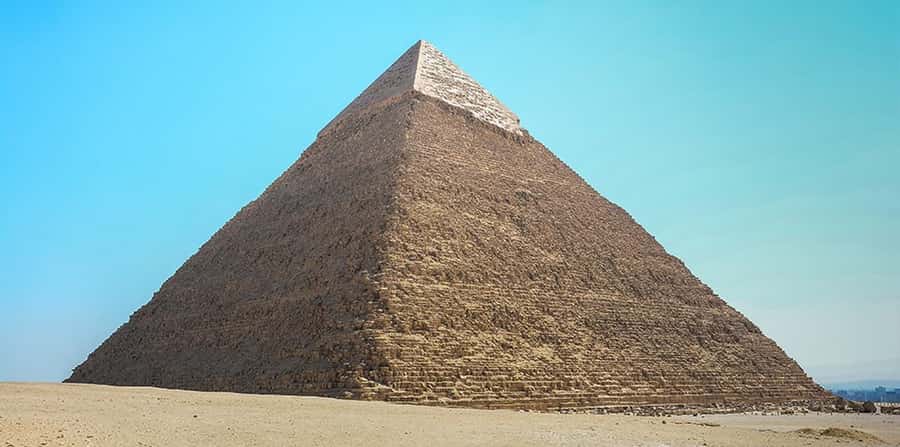
This tour runs about 3 to 8 hours, depending on which option you pick and how long you spend at each stop. Your pickup is included from Cairo or Giza, and the day typically starts with a hotel lobby meeting (or you’ll meet the guide at the first sightseeing location if your hotel isn’t directly accessible).
That “sometimes pick-up, sometimes meet you” detail matters. If your hotel is set back from the road or hard for vehicles to reach, plan to walk a little to the nearest accessible point. The good news: you’ll be told where that is in advance.
Inside the itinerary, transport is by air-conditioned vehicle, and bottled water is included. That’s not a small thing in Egypt. Walking around the pyramids and standing in museum galleries can add up quickly, especially if the day runs longer than you expected.
A final timing reality: traffic and site conditions can shift the order or pace. So if you’re booking this as your one “big day,” don’t schedule another tight commitment immediately after. Give yourself breathing room for Cairo logistics.
Egyptian Museum of Antiquities: Tutankhamun and the rooms you’ll remember
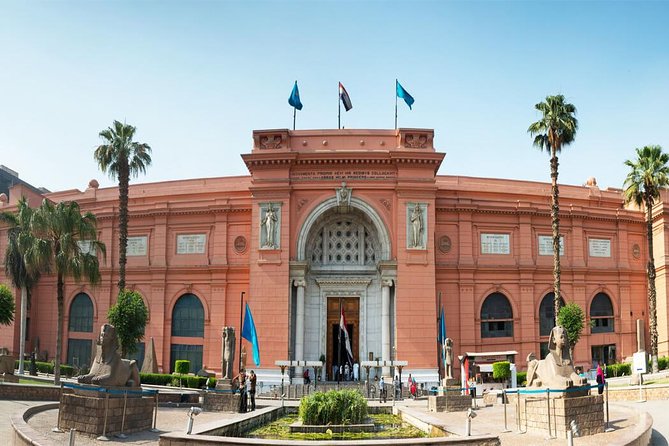
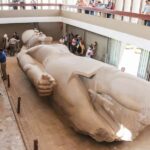
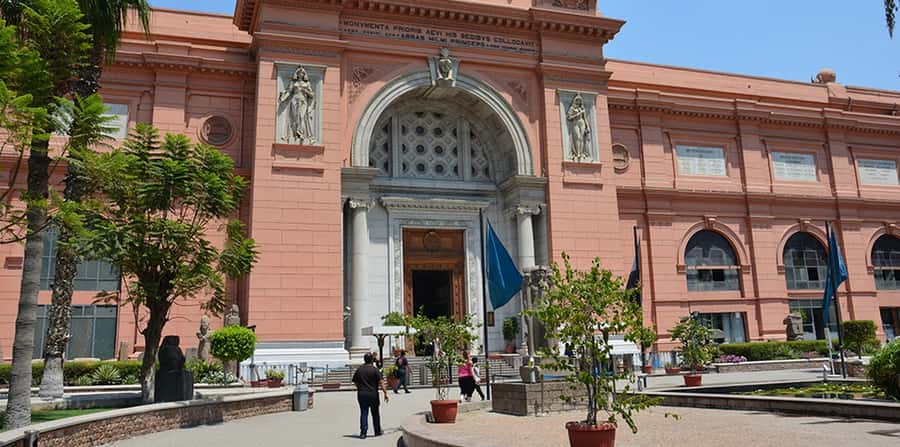
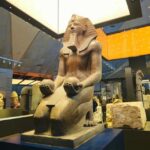
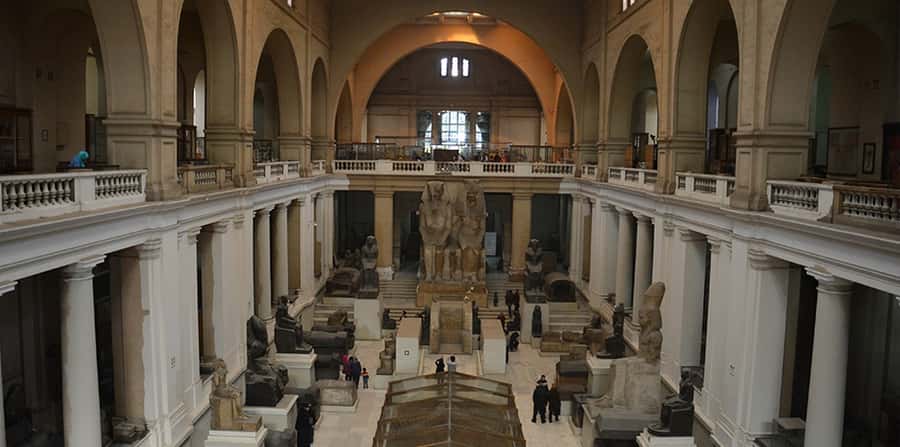
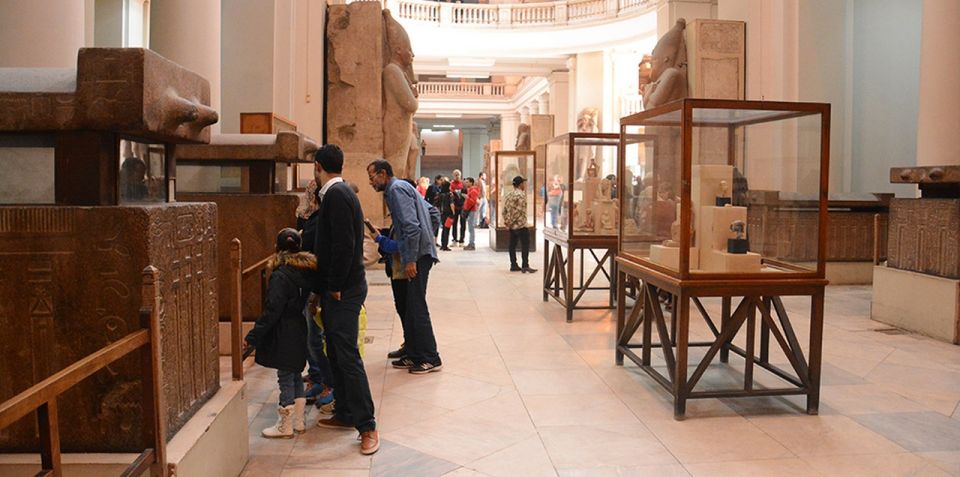
For me, the museum is where the day becomes more than sightseeing. The Egyptian Museum of Antiquities visit is about 2 hours, which is enough to hit the key highlights if your guide keeps you focused.
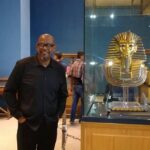
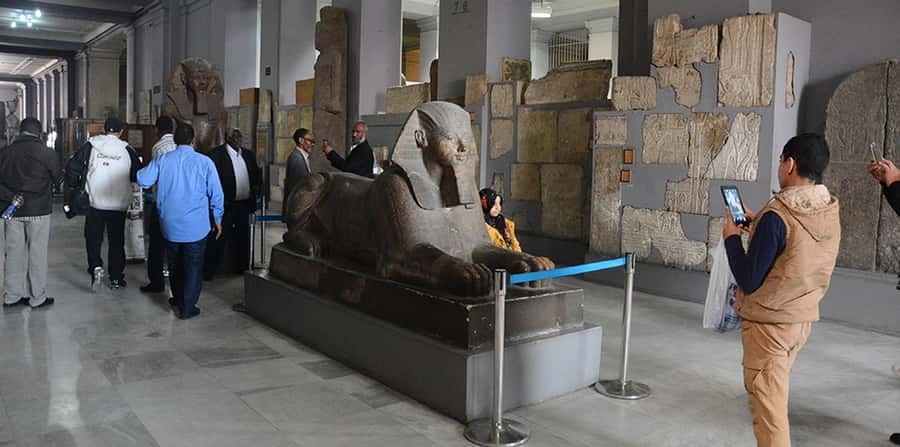
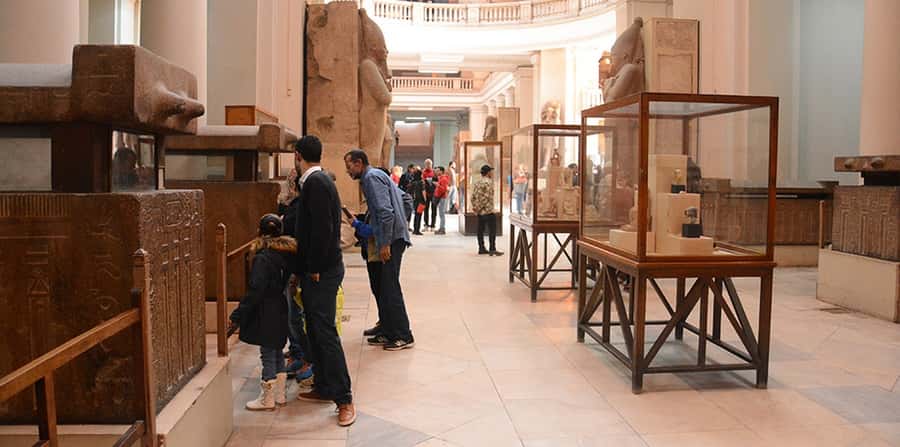
This isn’t a casual walk-through. You’ll get guided time through major galleries with pharaonic artifacts—things you can’t fully appreciate from photos. Tutankhamun’s golden treasures are a headline stop, but what makes the visit more satisfying is how the guide frames the objects: why they were made, what they were used for, and where they fit in Egypt’s long timeline.
Two museum specifics you should plan around:
- Tutankhamun’s mask and treasures are often the moments people remember most.
- The Royal Mummies Hall is the other “can’t-miss” highlight. Seeing rulers preserved in that way gives the whole day a different tone.
Also pay attention to included add-on-style workshop/gallery stops. The tour can include visits like a Papyrus Gallery and an Oils Factory (plus bazaar and cotton store stops, depending on the chosen program). These can be interesting if you want an extra layer of cultural context, but they can also take minutes away from your museum time. If your goal is strictly collection highlights, ask your guide early where you can trim the shop stops.
Giza Pyramids and the Great Sphinx: the wow factor plus smart navigation
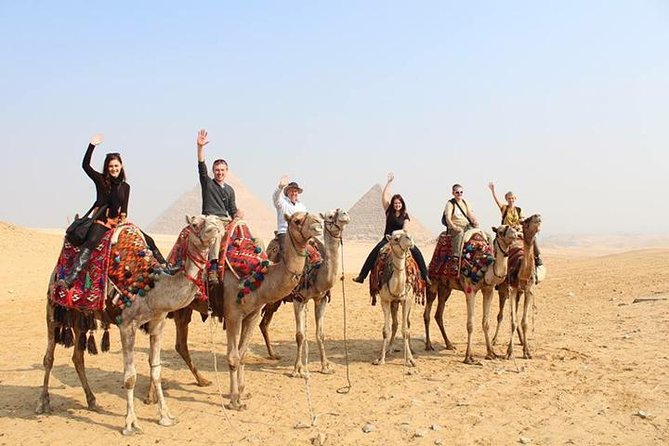
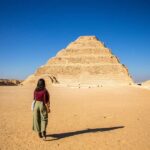
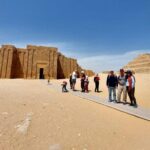
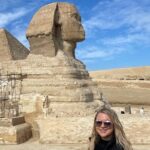
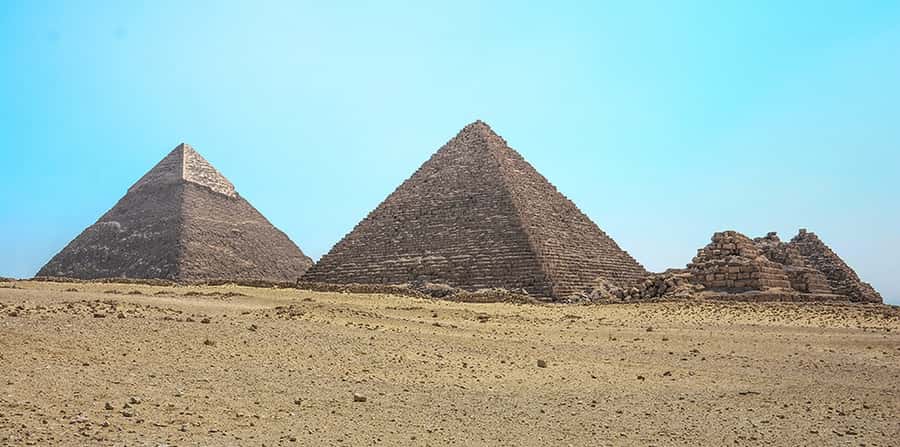
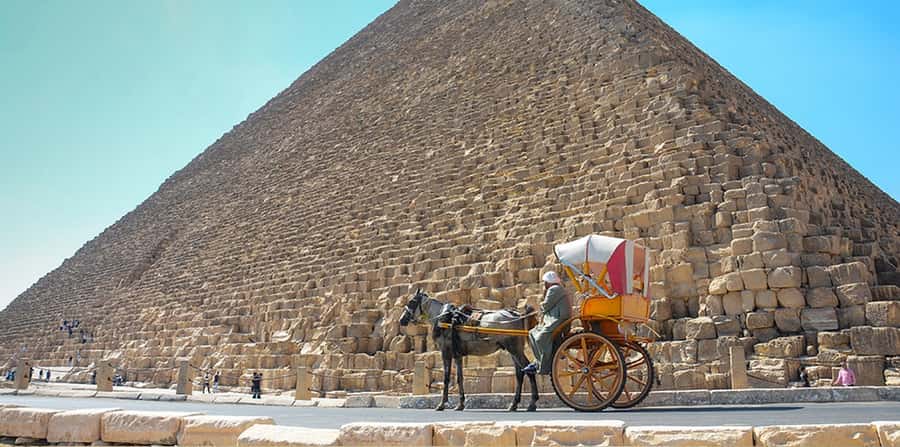
The Pyramids of Giza portion is about 2 hours, and it’s built around the big set pieces: the Great Pyramid of Khufu, plus the pyramids of Khafre and Menkaure, and time at the Great Sphinx.
Here’s why a guided stop helps: Giza isn’t a museum with neat lines and signage. It’s an active visitor environment with crowds, viewpoints, and lots of side offers nearby. A good guide helps you decide what’s worth your energy, where to stand for the best photos, and how to avoid spending time on things that cost extra or create delays.
In the helpful “real-world” department, some guides are praised for tactics like:
- pointing out which areas to prioritize for photos,
- suggesting what to skip if queues or extra fees would slow you down,
- and generally keeping sales pressure under control.
One key clarification: entrance to the inner chambers of the Great Pyramid is not included. If that’s a must-do for you, you’ll need an option that explicitly includes it. For most people, though, the outdoor scale and the immediate Sphinx-and-pyramids views are still a major payoff—especially when you know what each structure represents.
Comfort tip: wear shoes that handle uneven ground. You’ll walk more than you think, and the sun can turn “a short stop” into a long one if you’re not ready.
Old Cairo, the Citadel, and Khan el-Khalili: when you want Cairo beyond Giza
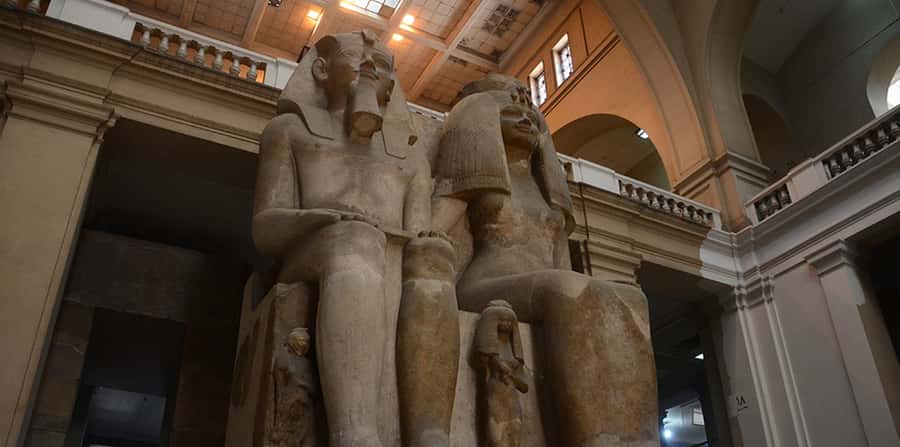
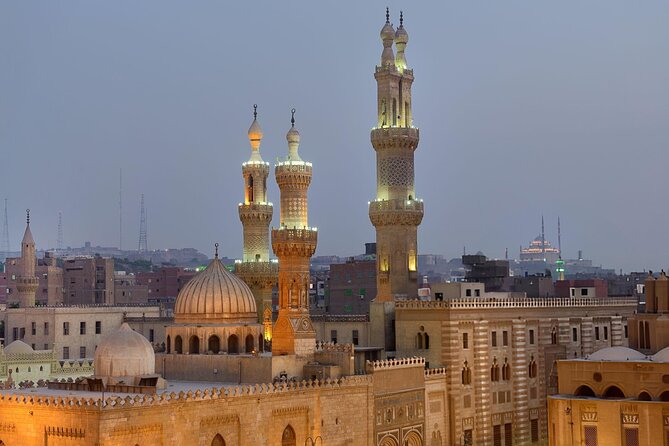
If you’re hungry for more than ancient monuments, this tour gives you add-on paths. You can extend into Old Cairo, visit Salah El Din Citadel, and/or go to Khan el-Khalili.
Old Cairo is especially interesting because it’s layered. You’re not only chasing landmarks—you’re walking through a part of the city where different faiths and eras overlap. The program can include:
- the Hanging Church (Coptic heritage),
- and the Ben Ezra Synagogue (one of the oldest Jewish sites in Cairo).
Khan el-Khalili is a different vibe: more markets, more street energy, and more Cairo’s everyday texture. If you pick that option, plan to trade a bit of “easy museum pacing” for “real city walking,” where negotiating space and crowds becomes part of the day.
The Citadel adds another kind of context—more modern Cairo framing, with views and fortification history that help you understand why this area mattered over and over.
If your time is limited, pick one extension. Adding everything can make the day feel rushed. Adding one extra block of Old Cairo or the Citadel often makes the day feel like a full story instead of a checklist.
You can also read our reviews of more museum experiences in Cairo

The shopping stops: how they fit, and when to say no
This tour can include visits linked to local crafts and production—like a Papyrus Gallery, an Oils Factory, a bazaar, and stops such as cotton store and carpet school (upon request). These aren’t random. They’re built to give you a slice of how Egypt’s heritage continues through modern crafts.
Still, they come with a trade-off: time. Some guides are great at keeping them short and purposeful, but if your priority is pyramids and museum highlights, treat these stops as optional extras you control.
A practical approach:
- If you’re interested, ask for a quick “what is this and why it matters” explanation, then decide if you want to shop.
- If you’re not, tell your guide you’d rather keep the time focused on the main sites.
The best part is that the tour notes that shopping stops are optional and can be skipped upon request. Use that. Your day is your schedule.
VIP upgrade: Felucca on the Nile for a calmer finish
If you’re doing the VIP Private Tour, the whole day gets stitched together into a longer “Cairo highlights” narrative. This version combines Pyramids, the Egyptian Museum, Citadel, and Old Cairo, then adds a Felucca boat ride on the Nile.
That Felucca piece is the payoff for many people: it breaks up the intensity of monuments and crowded sites with time on the water. Even if you don’t stay out long, the mood shift is real.
VIP also includes lunch (while shared tours do not). Private tours can include lunch as well, depending on the option you choose. If you hate rushing meals or losing time to finding food, VIP (or Private with lunch) reduces that stress.
One thing to keep in mind: VIP is more structured and more “all-in-one-day.” If you like breathing room, the regular Private or Shared options with fewer add-ons may feel better.
Price and value: what $41 buys you, and what it doesn’t
At about $41 per person, the value comes from what’s included. You’re getting:
- air-conditioned transportation,
- a professional licensed guide,
- hotel pickup and drop-off in Cairo or Giza,
- entry tickets to selected landmarks,
- bottled water,
- and museum/pyramids guided time.
That’s a lot packed into one organized day, especially in a city where independent navigation can take time and energy.
What you should not assume:
- Lunch is not included on the shared tour (it’s included only in the VIP Private Tour, or available as an add-on for Private Tours).
- The Great Pyramid inner chambers are not included.
- Felucca is VIP-only.
So the $41 price works best if you want an efficient highlights day, you’re okay with skipping extra entrances, and you’re flexible about optional craft stops. If you want lunch handled and the Nile added, the upgrade cost usually makes sense.
Who this tour fits (and who should skip it)
This tour is great for first-timers who want the headline Cairo/Giza combo without turning the day into a logistics project.
It’s especially suitable if:
- you want an Egyptologist-style guide to connect the dots between objects and architecture,
- you like photo guidance (guides often help with the best viewpoints and angles),
- you prefer a guided museum visit rather than wandering until you’re tired.
The main “skip” category is mobility. The tour is not suitable for people with mobility impairments or wheelchair users. Giza and museum walking can involve uneven surfaces and stairs.
Also keep in mind rules like no large bags/luggage, no jewelry, and no alcohol or drugs. If you travel light, it’ll feel easier.
Should you book this Giza Pyramids, Sphinx, and Museum tour?
Yes—if your goal is a high-impact Cairo day with clear guidance, this tour is a strong bet. The structure is practical: museum first, then Giza and the Sphinx, and you can scale the day with add-ons like Old Cairo, the Citadel, and Khan el-Khalili.
I’d book it sooner if you:
- want to reduce decision fatigue,
- value a guide who keeps you on track (and helps with photo spots),
- like the idea of a VIP option with a Nile Felucca finish.
I’d choose a tighter version (or ask to skip shops) if you’re not interested in papyrus/oils/craft stops and you’d rather spend every minute on the pyramids and museum galleries.
FAQ
How long is the Cairo/Giza Pyramids, Sphinx and Egyptian Museum tour?
The duration is listed as 3 to 8 hours, depending on the option you choose and conditions during the day.
What’s included in the tour price?
It includes air-conditioned transportation, a professional licensed guide, entry tickets to selected landmarks, hotel pickup and drop-off from Cairo or Giza, and bottled water. Specific inclusions can vary by the option you select.
Is lunch included?
Lunch is included only in the VIP Private Tour. For Private Tours, lunch may be available as an add-on. Lunch is not included in the Shared Tour.
Does the tour include a Felucca ride on the Nile?
A Felucca ride is included only in the VIP option.
Are the inner chambers of the Great Pyramid included?
No. Entrance fees to the inner chambers of the Great Pyramid are not included.
What languages are available for the guide?
The live guide is available in Italian, Spanish, French, German, and English. Shared tours are English only, while private tours can be in multiple languages.
Where does pickup happen?
Pickup is included from Cairo or Giza. You should be ready at your hotel lobby or main entrance at least 10 minutes before the confirmed pickup time, or meet the guide at the first sightseeing location if your hotel is not directly accessible.
What should I bring and avoid during the tour?
Bring passport or ID, comfortable shoes, sunglasses, sun hat, and a camera. Avoid pets, luggage or large bags, and jewelry, and do not bring alcohol and drugs.