REVIEW · ASWAN
Aswan, Nubian village & Abu Simbel & Luxor in 03 Days overland
Book on Viator →Operated by Luxortourguide · Bookable on Viator
Three days in southern Egypt hits hard.
What makes this trip so good is the mix: Aswan culture up close, then two museum-sized days of temples with real context from an Egyptologist, and finally a first-class train into Luxor. I like that the plan gives you guided time for the big story beats, but still leaves breathing room to wander on your own at several stops. The biggest thing to consider is cost beyond the tour price: entrance fees are not included for most sites, and some tombs can cost extra.
I also like the logistics. You’re picked up and moved by air-conditioned vehicle, and you’re not stuck figuring out how to line up boats, entry lines, and long drives on your own. On the Abu Simbel day, the early start and convoy-style departure are built in, which matters because timing is everything for seeing the temples at their best. The possible drawback for some people is stamina and schedule: you’ll have long driving blocks and an early wake-up (pickup around 4:00 to 4:15), plus you’ll do several museum-temple walks.
That said, this is the kind of route that works even if you’re not a hardcore Egypt-history nerd. A strong guide (people often mention names like Khaled) helps you notice what you’d otherwise miss, from the meaning of shrines to why these monuments were engineered where they were. If you want to see a lot with less stress, this hits the sweet spot.
In This Review
- Key points I’d bank on before you book
- The value case for a 3-day Aswan to Luxor overland route
- Day 1: Philae Temple on the island and the High Dam viewpoint
- Nubian village time: culture, crafts, and a slower pace
- Day 2: Abu Simbel sunrise with a convoy and Egyptologist-led timing
- Day 3 on Luxor’s West and East Banks: the temple sweep that makes sense
- Karnak and Luxor Temple: when the scale gets real
- Price and logistics: what $300 gets you and what to budget
- Who this tour suits best (and who should think twice)
- Should you book this Aswan to Luxor overland tour?
- FAQ
- What is included in the tour price?
- Are entrance fees included for all the sites?
- How do I get from Aswan to Luxor?
- What time is pickup for Abu Simbel?
- Is this tour private or shared with other people?
- Will I have a guide inside the tombs at the Valley of the Kings?
- Do I need to arrange accommodations myself?
- Is the tour suitable for people with mobility limits?
Key points I’d bank on before you book
- Philae Temple by boat: a temple-island setting tied to the rescue story of UNESCO-level engineering.
- Nubian village time: homes, crafts, and a slower pace that feels more personal than a quick photo stop.
- Abu Simbel at sunrise: a very early convoy departure to catch the temples in the light of the morning.
- Egyptologist-led context: guided explanations that help the West Bank and Karnak make sense fast.
- First-class train Aswan to Luxor: you get the rail connection without having to manage it yourself.
The value case for a 3-day Aswan to Luxor overland route

For $300 per person, the headline value is not just that you get transport. You get an Egyptologist guide, air-conditioned private vehicles for transfers around each area, and a first-class train ticket from Aswan to Luxor. That combination removes a lot of friction in southern Egypt, where travel times are long and timing matters for certain sights.
There’s also a smart balance between guided and semi-independent time. You’ll have guided moments when it counts most, especially for temples and symbolism, and then you’ll get free time to explore, take photos, and move at your own pace. That’s a better setup than a pure lecture tour, because you can look, then ask questions while it’s still fresh.
The “watch-outs” are straightforward. Entrance fees are not included for most stops, and accommodations are handled on your own (with the option to arrange by request). If you don’t like budgeting day-by-day, you’ll want to estimate entrance fees before you go and keep some cash for extras.
You can also read our reviews of more tours and experiences in Aswan.
- 4-Days Nile Cruise From Aswan To Luxor including Abu Simbel and Hot Air Balloon
★ 5.0 · 3,142 reviews

Day 1: Philae Temple on the island and the High Dam viewpoint
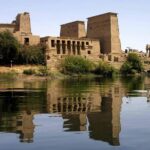
Your first stop is Philae Temple, reached with a short motorboat ride to the island. This detail matters because the temple’s setting is part of the experience: it’s not just monuments on land, it’s the river-island atmosphere that frames the story of Isis and Osiris. You’ll take a walking tour with your guide, then you’ll get time to explore further on your own.
Philae is especially interesting because it carries an engineering history too. The temple was carefully moved to its current location (about 500 meters from the original site) after the High Dam changed the Nile’s water levels. Standing there, you get a rare combo: spiritual iconography plus the real-world reason those stones had to survive.
A key practical point: the tour time feels generous for a single first day, but it still moves. If you’re the type who likes lingering, use your free time wisely and don’t rush through the doorways and courtyards just because the morning schedule is packed.
Next you visit the Aswan High Dam, a major modern Egyptian achievement that took about 10 years to build (1960 to 1970). You’ll see Lake Nasser, including Lake Nasir in the tour description, and you’ll cross the area with the friendship emblem. Even if you’re not into engineering, it gives important context for why Philae and other sites were threatened in the first place.
Nubian village time: culture, crafts, and a slower pace
Then you head into a Nubian village experience. This is one of the best parts of the trip if you like cultural travel that’s more than a checklist. The village has colorful painted houses, and you’ll have time to walk through Nubian houses, take photos, and shop for Nubian handicrafts and aromatic herbs.
One detail worth knowing: the trip description says you can reach the village by Nile boats. That’s a nice way to add movement and scenery to the day, since it turns a transfer into a mini-Nile cruise. You’ll also get time described as close and personal, including playful interaction such as taking photos with crocodiles in the village setting.
Here’s the honest advice: this is still a tourist-facing experience, so you’ll want to keep your expectations grounded. If you go in looking for respectful conversation and curiosity, you’ll likely enjoy it more than if you treat it like a photo safari. Some guides are reported to help with translation and conversation, which can make a big difference if you’re trying to connect beyond surface-level sightseeing.
Day 2: Abu Simbel sunrise with a convoy and Egyptologist-led timing
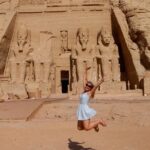
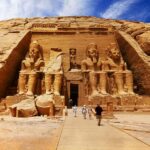
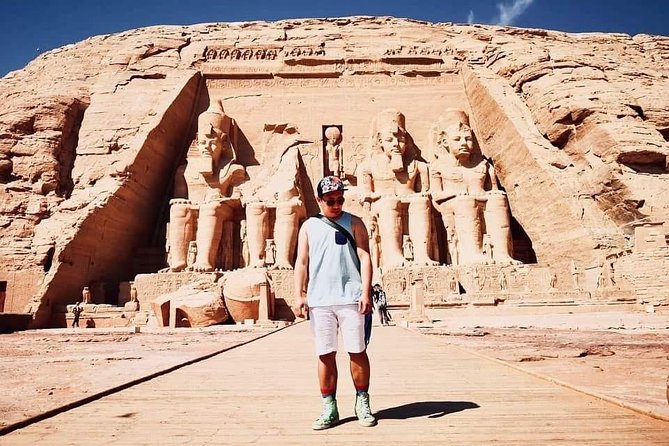
Abu Simbel is the showpiece day, and the tour handles it with the big reality: it’s far, and it’s time-sensitive. Pickup is around 4:00 to 4:15 am, and you join an escorted convoy that departs Aswan around 5:00. That means less guesswork for you and fewer chances of being stranded by traffic or timing issues.
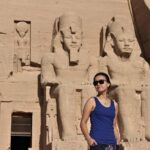
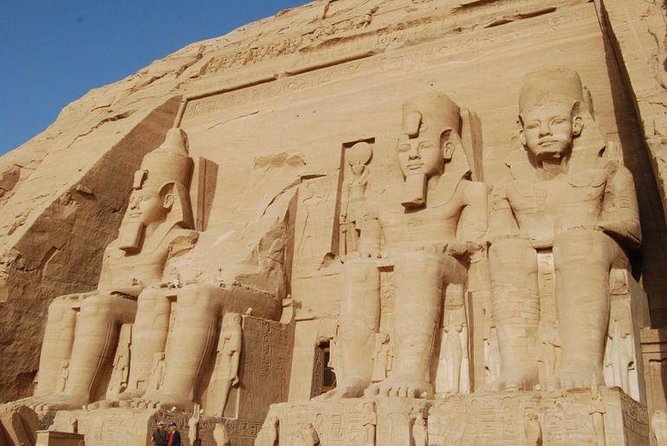
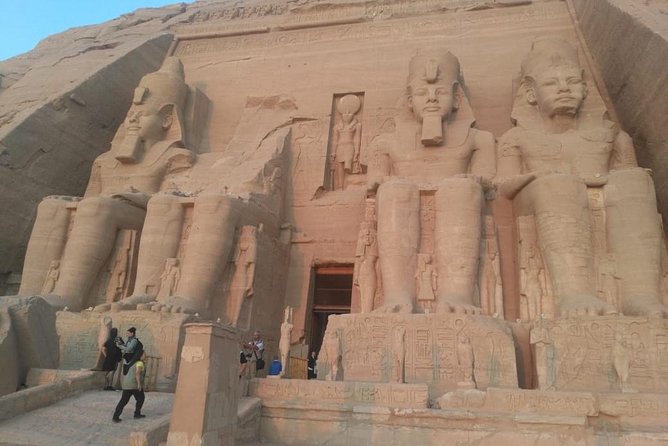
You drive about three hours each way, with roughly two hours at the temples. The goal is to see the temples in the light of the rising sun, which is exactly why the day starts so early. Even if you’ve seen pictures, Abu Simbel hits differently in person because you can sense the scale and the precision of the whole complex.
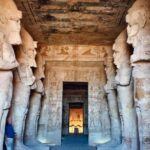
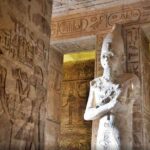
The tour includes an Egyptologist-led guided visit plus free time. That combination matters here: the statues and carvings are impressive, but what makes them unforgettable is the story behind why Ramses II built them and how the site survived the flooding of Lake Nasser. The tour description emphasizes that survival story, including the idea of temples being cut, relocated, and reassembled.
Potential drawback: this day is long and you’ll be up early. If you’re sensitive to early mornings or dislike standing around in crowds, plan to keep your energy for the key moments and use the free time at the end to reset.
Day 3 on Luxor’s West and East Banks: the temple sweep that makes sense
Day 3 is basically Luxor’s greatest hits, but structured so the sites build on each other. You start on the West Bank with the Valley of the Kings, a burial place of the Theban kings. You’ll have a brief stop at the visitor center, then your guide helps you understand what to look for inside the tombs.
Important practical detail: guides are not permitted inside the tombs, so your guide will point out what matters and you’ll experience the tombs on your own. If you want the tomb of King Tutankhamun, the tour notes an additional cost paid directly. Even if you skip it, the guided framing helps you see more than just painted walls.
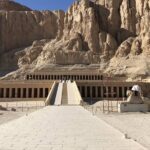
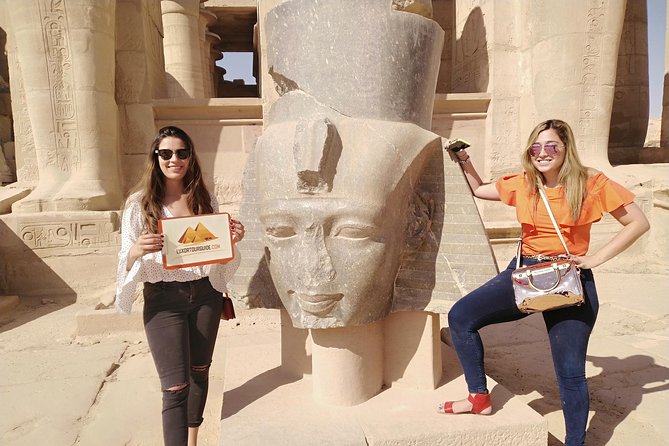
Next is Temple of Hatshepsut, known for its striking architecture and the story of Egypt’s female ruler. You’ll get an introduction to the history and the tale of Hatshepsut posing as a man to gain the throne, then you’ll have free time to explore the courtyards at your own pace. This is one of those places where pacing helps: slow down in the open spaces and you’ll appreciate the dramatic scale.
Then you stop at the Colossi of Memnon, two giant statues marking the site of Amenhotep III’s funerary temple. This stop is short (15 minutes), but the value is that it’s a quick “anchor” moment on the West Bank. Admission for this stop is noted as included, which is a small but useful cost saver if you’re tracking expenses.
- 4-Days Nile Cruise From Aswan To Luxor including Abu Simbel and Hot Air Balloon
★ 5.0 · 3,142 reviews


Karnak and Luxor Temple: when the scale gets real

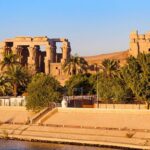
After the West Bank highlights, you move to Karnak Temple, one of the most jaw-dropping places on the planet because it grew over time with additions from different pharaohs. You’ll walk along the Avenue of Sphinx to enter, and your guide explains how the massive facade was constructed.
Inside, the tour includes key areas like the Great Court and the Great Hypostyle Hall with its towering columns. The sacred lake at the rear is also part of the guided walk, and you’ll get extra time to explore at leisure afterward. The practical trick here is to pick a few areas you want to revisit during your free time, instead of trying to see everything at once.
Finally, you visit Luxor Temple on the East Bank area near the end of the day. The tour explains how it was once connected to Karnak by a two-kilometer Avenue of Sphinx, and you’ll see statues linked to Ramses II. Your guide helps with interpreting the hieroglyphs on inner walls and columns, which makes the temple feel less like random stone and more like organized storytelling.
The tour also points out details that you might miss without a guide, including Alexander the Great’s connection to Luxor Temple’s history and the presence of one of the original pair of obelisks (with the other now in Paris). Those notes are small, but they turn a visit into something you can talk about later.
Price and logistics: what $300 gets you and what to budget
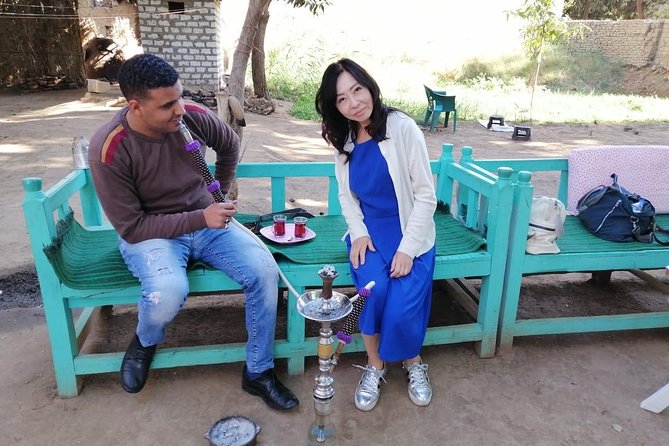
Let’s talk money in real terms. The $300 per person price includes service charges and taxes, pickup and drop-off, air-conditioned transport, an Egyptologist guide, parking and fuel, and the first-class train ticket from Aswan to Luxor. That’s a lot of “hard to DIY” value, especially the train component and the managed convoy day.
What’s not included is where your budget can surprise you. Entrance fees are not included for Philae, High Dam, Nubian village, Abu Simbel, Valley of the Kings, Hatshepsut, Karnak, and Luxor Temple. The tour description also notes that Tutankhamun’s tomb can require an additional direct cost. Only the Colossi of Memnon stop lists admission as included.
Accommodation is also handled by you. The tour says accommodation can be requested, but the visits are described as semi-independent, with admission fees booked on your own. That means you should confirm what your chosen hotel plan actually covers and decide early so you don’t scramble on arrival.
Also keep timing in mind. The meeting start time is listed at 6:00 am, and Abu Simbel includes pickup around 4:00 to 4:15 am. Bring a mindset that some days start earlier than you’d like, and you’ll enjoy it more.
Who this tour suits best (and who should think twice)
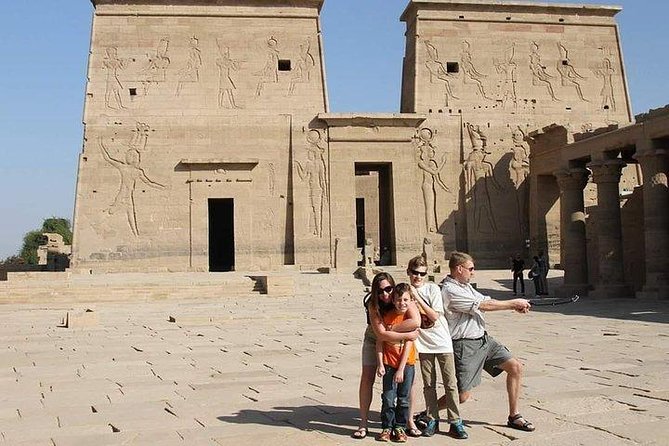
This is a great fit if you want to see the big southern Egypt landmarks with less hassle: Philae, the Nubian village experience, Abu Simbel, and core Luxor temples. You’ll especially like it if you care about getting explanations that help you understand what you’re looking at, not just where the monument is.
It’s also a good choice if you hate logistics stress. Between private air-conditioned vehicles, managed convoy timing, and the first-class train connection, the tour removes a lot of planning work. The trip is private, meaning only your group participates, which usually translates into fewer waiting games and more flexibility during guided time.
Think twice if you’re on a tight daily budget for entrance fees and optional tomb tickets. Also think twice if you’re easily worn down by early mornings and long driving days. This route is designed for seeing, not resting.
Should you book this Aswan to Luxor overland tour?
I’d recommend booking if your goal is maximum value from a short window and you want guided context for the biggest temple sites. The combination of Philae by boat, Nubian village time, sunrise Abu Simbel with convoy timing, and a Luxor temple sweep makes sense for first-timers and repeaters alike.
I wouldn’t book if entrance fees and extra tomb costs would make the trip feel unpredictable for you. If you want a totally free-choice day with no early starts, you might find this schedule too structured.
If you do book, plan one thing up front: budget for entrance fees and keep energy for the early Abu Simbel morning. Do that, and you’ll get a route that feels efficient, well-paced, and genuinely memorable.
FAQ
What is included in the tour price?
The tour includes service charges and taxes, a first-class train ticket from Aswan to Luxor, hotel pickup and drop-off, transport by air-conditioned vehicle, a qualified Egyptologist guide, and parking fees, fuel surcharge, and the driver.
Are entrance fees included for all the sites?
No. Entrance fees are not included for most sites. The tour description notes that admission for Colossi of Memnon is included, while tickets for other stops are not included.
How do I get from Aswan to Luxor?
A first-class train ticket from Aswan to Luxor is included as part of the tour.
What time is pickup for Abu Simbel?
Pickup for Abu Simbel is around 4:00 to 4:15 am, with the convoy departing Aswan at around 5:00.
Is this tour private or shared with other people?
It’s private, meaning only your group participates.
Will I have a guide inside the tombs at the Valley of the Kings?
No. Guides are not permitted inside the tombs. Your guide will explain what to look for, but you explore the tomb interiors yourself.
Do I need to arrange accommodations myself?
Accommodation is described as booked on your own (semi-independent visit), though accommodations can be arranged by request.
Is the tour suitable for people with mobility limits?
The tour says travelers should have a moderate physical fitness level. It includes walking in temple areas and visits across multiple sites.
You Might Also Enjoy

More Tour Reviews in Aswan
- 4-Days Nile Cruise From Aswan To Luxor including Abu Simbel and Hot Air Balloon
★ 5.0 · 3,142 reviews