REVIEW · CAIRO
A day like a farmer in Dahsure countryside with locals
Book on Viator →Operated by 3M Tourism · Bookable on Viator
A trip to Dahshur can be more than pyramids on a schedule. This one mixes real country routines with hands-on food and crafts, so you’re not just watching Egypt from the bus window. You’ll also get the chance to hear stories and pick up small pieces of everyday life, including mint tea culture and local music.
What I like most is the pace: you get time to do things, not just stand and listen. I also like that the food is part of the experience—you bake bread, then eat it with classic regional flavors.
One thing to consider: the countryside day involves active moments (walking, farm stops, and even climbing a palm tree), so it’s not a fully sit-down, stroller-only plan.
In This Review
- Key highlights to look forward to
- Why this Dahshur day feels different from a standard trip
- Price and what $35 really buys you
- Getting out of Cairo: pickup, A/C ride, and pacing that works
- Stop 1 at Dahshur: homes, local tea, and everyday culture
- Baking bread like a farmer: what the meal part is really about
- Breakfast or lunch options (and what to expect)
- Workshop time: palm-tree coaster making and date-cookies
- Farm tour in harvest season: crops, fresh bites, and dates from the palm
- Guides, local service, and the smooth parts you’ll notice
- Who should book this Dahshur farmer day
- Tips to get the most out of the day
- Should you book this Dahshur farmer day?
- FAQ
- How long is the Dahshur farmer-style day tour?
- Is hotel pickup and drop-off included?
- What food is included?
- Do I get to make anything during the tour?
- Is this tour private?
- What is not included in the tour price?
Key highlights to look forward to
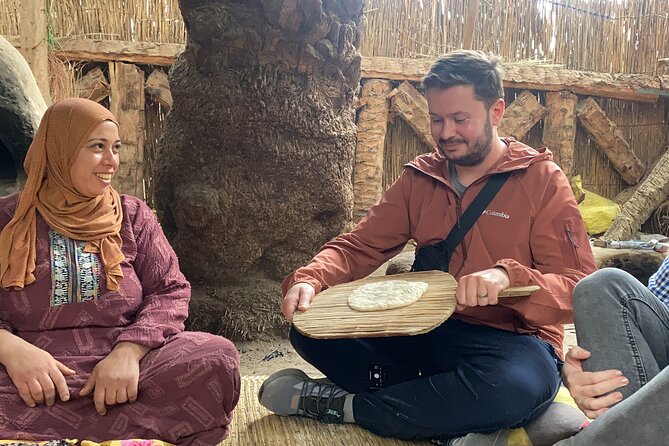
- Bake your own bread with help from professional local farmers
- Breakfast or lunch built around regional dishes and the bread you made
- Workshop time making a palm-tree coaster and baking date-sweet Egyptian cookies
- Farm-season tour with crop spotting, fresh bites, and a chance to climb for dates
- Pickup and drop-off from your hotel with an air-conditioned vehicle option
- A serious guide focus, with clear explanations praised by past guests (including guides like Ayat)
Why this Dahshur day feels different from a standard trip
Dahshur is known for its pyramids, sure. But what makes this day tour stand out is how it slows down once you reach the countryside. Instead of rushing from photo stop to photo stop, the day is built around daily rhythm: homes, working farms, meal prep, and the small skills people actually use.
You’ll spend a big chunk of the day in and around local farm life. That includes time to walk, do hands-on tasks, and even move between farm areas using local-style transport like a donkey or bicycle (when the day’s plan allows). The goal isn’t to stage a fantasy version of rural Egypt. It’s to show you how routine and celebration sit side by side in real households—complete with the kind of invitations you only get when you’re treated like a participant, not a spectator.
You can also read our reviews of more tours and experiences in Cairo.
Price and what $35 really buys you
At about $35 per person for a 4 to 6 hour experience, this can be good value compared to many “transport + basic stops” tours. The key is that the price isn’t just getting you to Dahshur—it’s tied to activities.
Here’s what adds up:
- Hotel pickup and drop-off (all-inclusive option)
- A professional local guide
- Bottled water
- Breakfast or lunch included
- Two longer activity blocks (bread baking, then workshop + farm tour)
Also, admission is handled as part of the program (the itinerary notes admission ticket free for the stops). Add in the air-conditioned vehicle option and you’re not stuck sweating through a long day of heat and dust.
The one cost you should expect beyond the base price: tipping for the guide and driver, plus anything personal you buy on the spot. That’s normal in Egypt, and if you go in ready for it, the math stays simple.
Getting out of Cairo: pickup, A/C ride, and pacing that works
This is set up with pickup and drop-off from your hotel, and the day runs for roughly half a day. You’ll have an air-conditioned vehicle option, plus bottled water. Those details matter because the countryside day still starts with city traffic, and you want energy for the hands-on parts.
Pacing is built into the plan:
- A first stretch to meet the local environment and learn how people live
- A focused bread-baking and meal block
- A palm-based craft workshop plus date-cookie baking
- A farm-season walk with plenty of movement
If you’re planning around jet lag, a tour like this is also easier to manage than a full-day marathon, because you get a complete experience without stretching past your patience.
Stop 1 at Dahshur: homes, local tea, and everyday culture
The day opens in Dahshur with time designed to feel like you’ve stepped into a local routine. You’re not just shown a view—you’re brought toward daily life: visiting homes of locals and seeing how the countryside supports the way people eat, work, and socialize.
A few elements that stand out in the program:
- Organic food and cooking-related moments (you’ll have a chance to try local cuisine)
- Mint tea culture, including water pipes (hookahs) as part of social hospitality
- Time for activities like walking and running in the Al Fayoum area as mentioned in the plan
- Opportunities to engage with Arabic music, and even lighter skills like reading and writing
The program also mentions exposure to ceremonies like weddings and funerals. Since that kind of access depends on what’s happening that day, the best way to think about it is this: you’re likely to understand how community events fit into the agricultural calendar and household life—not just see a single staged performance.
Practical note: this portion is where your body starts moving, but it’s not all intense. You’ll likely have short activity windows, conversations, and movement between points.
Baking bread like a farmer: what the meal part is really about
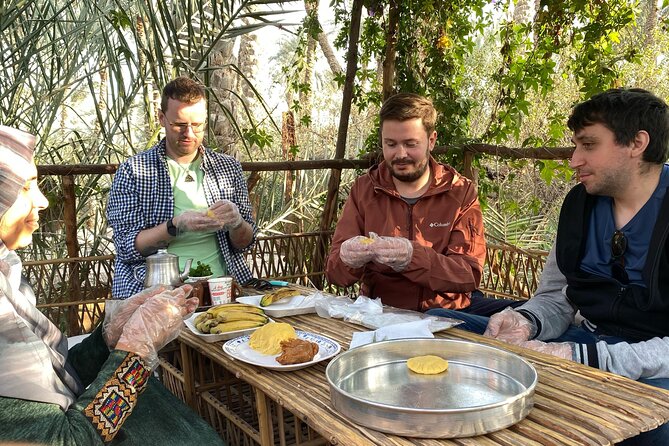
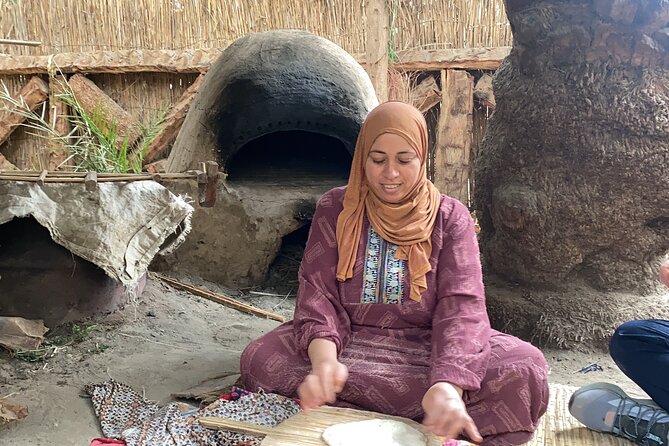
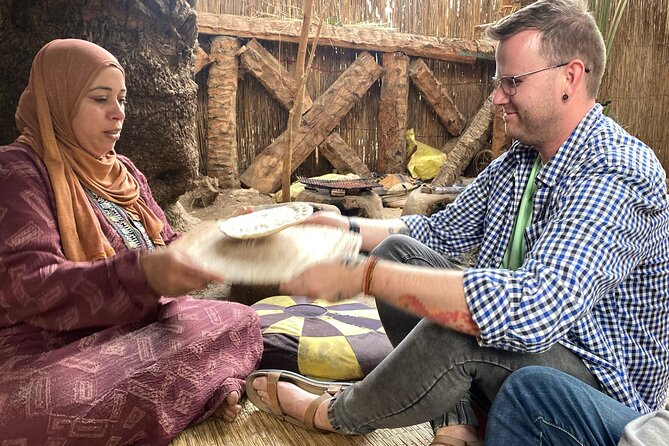
This is one of the main draws, and it’s not just for photos. You start your local meal experience by baking your own bread, guided by professional farmers. The idea is that you’re joining the process—mixing, shaping, baking, and then getting to eat the result.
If you like food travel that goes beyond tasting, you’ll appreciate this. It turns lunch or breakfast into a story you can actually explain at dinner later. You’re also not stuck with a generic tour meal. The plan lists specific regional dishes that pair with your bread.

Breakfast or lunch options (and what to expect)
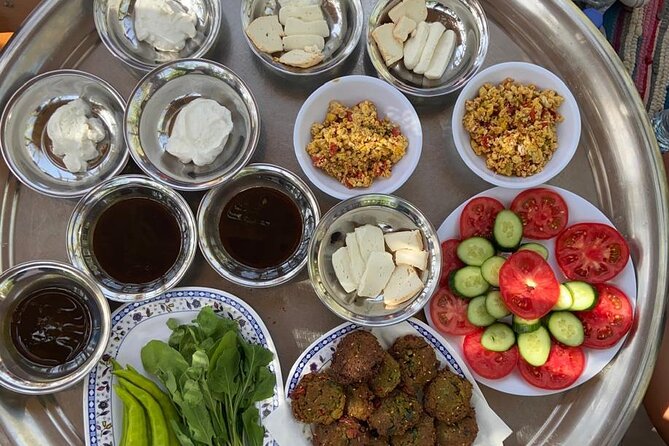
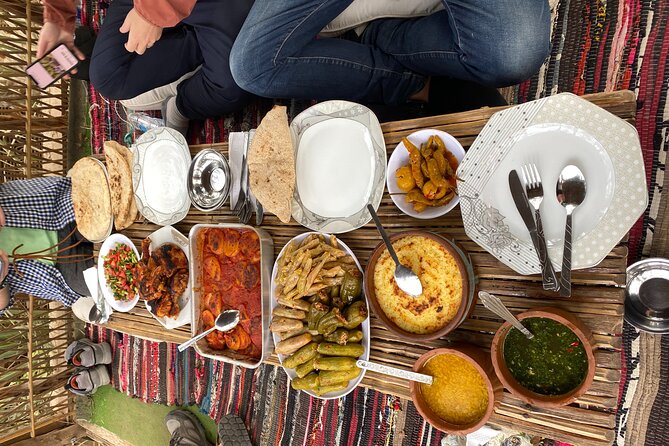
You’ll choose between an oriental breakfast-style spread or a lunch-style meal, both designed to match the bread you baked.
Breakfast option includes items like:
- Fateer
- Tahina
- Melyssa
- Organic cheese
- Felfal
- And of course, the bread you made
Lunch option includes items like:
- Mashy chicken or meat
- Potato
- Molokiya ( موسميه ) soup
- Goulash
- And the bread you made
A balanced way to approach this: come hungry, but don’t expect ultra-light portions. This is farm-food style eating—comfort-focused and meant to keep you going through activity.
Workshop time: palm-tree coaster making and date-cookies
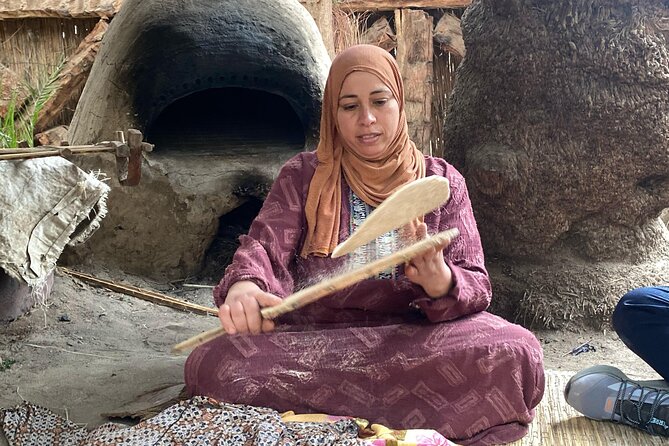
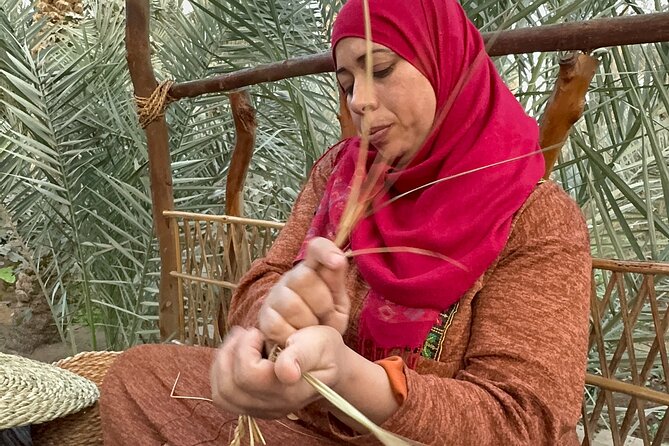
After you’ve eaten, the day shifts from food to craft. The workshop is built around making a coaster from palm tree. Then you move into baking Egyptian cookies with fresh dates.
Why this matters: it gives you a tangible souvenir that isn’t just a cheap trinket. You’ll understand how people turn local materials into useful items. And the date-cookie part ties back into the meal culture of the countryside—sweet, practical, and very much rooted in local ingredients.
This is also the kind of activity that works well even if your group isn’t the most talkative. Making something with your hands tends to break the ice fast.
If you’re traveling with kids, this section is often a win because there’s a clear task and an end product. If your group is adults who love stories, it’s also easy to ask questions about the palm material and the process of baking with dates—those topics naturally lead into conversation with your guide.
Farm tour in harvest season: crops, fresh bites, and dates from the palm
Next comes the farm itself. This part of the day is about the harvest season, which means you’re more likely to see crops at their most active time. You’ll learn to recognize crops and get a real sense of what changes through the year.
What’s built into the farm tour:
- Seeing the harvest and crop variety
- Eating fresh crop directly from the farm (the day includes that possibility)
- Climbing a palm tree
And yes, the plan includes a fun reward: if you can reach the highest point, you can get dates for free. That’s not just a gimmick; it fits the farmer theme. You’re participating in the same challenges people face when working with trees and seasonal fruit.
This is also where you should wear practical footwear. Even if the ground looks manageable, farms are farms: you want grip and comfort for uneven paths.
Guides, local service, and the smooth parts you’ll notice
A good guide can make or break a countryside day. Here, the guide focus shows up in the kinds of compliments the company has earned—especially around clear explanations and strong history/culture context delivered in a way that’s easy to follow, even if your Arabic level is basic.
One guide name that comes up is Ayat, praised for being professional and for giving history insights in a way that stays understandable. That matters because Dahshur isn’t only about rural chores—it’s also about connecting what you see in the countryside with the wider Egypt story.
There’s also mention of travel consultant Alaa being responsive and helpful during planning. If you like having a plan that matches your pace and interests, that’s worth noting. And since you may be dealing with multiple pieces of travel (airport arrival, hotel check-in, tours), it’s reassuring to know the same company network is associated with airport meet-and-assist service at Cairo Airport.
Who should book this Dahshur farmer day
This tour is a strong fit if you want more than pyramids photos. It’s best for people who:
- Like hands-on activities (baking, workshops, farm walking)
- Want to eat food that’s tied to the day’s work
- Appreciate local hospitality, conversation, and learning basic cultural rhythms
It’s also a good pick for families, based on how the service is described as accommodating and easy to manage with children. That said, it still has active elements (farm movement and palm climbing), so you’ll want to think about your kids’ comfort level.
If you’re traveling with someone who needs constant sitting time and minimal walking, you might find this more tiring than a museum-focused day. But if your group is curious and flexible, it’s a memorable way to do Dahshur without feeling like a checklist.
Tips to get the most out of the day
- Wear shoes you can get dusty. Farms don’t do squeaky-clean surfaces.
- Bring a light layer. Even in warm seasons, countryside shade and car rides can feel different.
- Come ready to eat. The bread-baking is followed by a full breakfast or lunch spread.
- Ask your guide to explain what you’re seeing as you go. The day is built for questions.
- If hookah/water pipe culture is not your thing, you can simply observe the social moment without treating it as a requirement.
Also, don’t overpack your expectations. Some parts (like access related to weddings or funerals) may depend on what’s happening locally that day. That uncertainty is also part of why the experience can feel real.
Should you book this Dahshur farmer day?
If your idea of a great Egypt day is learning through doing—baking bread, making a palm-tree coaster, tasting regional dishes, and walking through harvest-season farm life—then this is a smart choice for your itinerary.
Book it if you want a half-day adventure with included food and activities, plus hotel pickup and a local guide who handles both cultural context and practical flow. Skip it only if your priority is a quiet, low-movement tour with minimal hands-on tasks.
One last practical note: the tour requires good weather. If the day looks questionable, be ready for a date adjustment or refund option. That’s just part of working outdoors.
If you’re going to Dahshur anyway, this adds a different kind of value—one you can taste, touch, and remember after the pyramids fade from your camera roll.
FAQ
How long is the Dahshur farmer-style day tour?
The tour runs about 4 to 6 hours, with time blocks listed for the main stops (roughly 1 hour at the first stop, 1 hour for bread baking and a meal, 2 hours for the workshop, and 2 hours for the farm tour).
Is hotel pickup and drop-off included?
Yes. The tour includes pick up and drop off from any hotel in the all-inclusive option.
What food is included?
An oriental breakfast or lunch is included. The breakfast option lists items such as fateer, tahina, Melyssa, organic cheese, and felfal, along with the bread you bake. The lunch option lists mashy chicken or meat, potato, molokiya soup, and goulash, again with the bread you bake.
Do I get to make anything during the tour?
Yes. You’ll bake your own bread, then take part in a workshop to make a coaster from palm tree and bake Egyptian cookies with fresh dates.
Is this tour private?
Yes. It’s a private tour/activity, and only your group participates.
What is not included in the tour price?
Tipping for the guide and driver is not included, and you’ll also want to budget for any personal expenses. Bottled water is included.