REVIEW · CAIRO
8 Days Essential Egypt Tour Cairo & The Nile With Hotels & flights & Guide Inc
Book on Viator →Operated by Look at Egypt Tours · Bookable on Viator
Pyramids at sunrise beat any checklist. This 8-day Egypt package is built for maximum wow in a short window: you move from Cairo’s museums and Old Cairo streets to Aswan’s riverside temples, then on to Luxor’s big-name sights and the Valley of the Kings—wrapped around a Nile cruise and included flights. Two things I really like: the hands-on Egyptologist guidance and the simple logistics (hotel/port pickup, domestic flights, and a set schedule that keeps you from wasting time). One possible drawback to know up front is that the days are packed, so you’ll want to stay flexible and accept a lot of moving around to hit all the highlights.
You start with help right where travel can get messy—visa assistance and airport support—then you’re guided site-to-site with tickets handled as part of the plan. From the people credited for smooth, friendly service (like Cairo support named Tarek, and guides such as Amr Moses or Muhammed), the feel is that timing matters here. My one caution: tipping isn’t included, and in Egypt that’s part of the reality of good service, so budget for it early.
In This Review
- Quick “why this works” key points
- Hitting Egypt’s big icons in 8 days (without feeling like a robot)
- Cairo Day 1: visa help that reduces stress on arrival
- Giza at the top of the world (and Saqqara for the “prequel”)
- Egyptian Museum, Coptic Cairo, and Khan el-Khalili: three flavors of old Egypt
- Aswan’s Philae temple: UNESCO rescue work you can actually see
- Kom Ombo and Horus: the Nile’s temples in two very different moods
- Luxor Temple and Karnak: when the scale makes you slow down
- The Valley of the Kings day: plan for walking and heat
- Fly Luxor to Cairo: time saved, fewer travel headaches
- Last day: airport escort and a clean finish
- Hotels and Nile cruise meals: where the package quietly delivers value
- Price and logistics: is $2,675 per person worth it?
- Who this tour fits best (and who should rethink it)
- A quick note on tipping (because it’s part of the system)
- Should you book this 8-day Cairo & Nile highlights tour?
- FAQ
- What is the duration of this Egypt tour?
- Where does the tour take place?
- What’s included for transportation?
- Do I get a guide?
- Are admission tickets included?
- What about meals—are they included?
- Which hotel and cruise options are included?
- Is the itinerary fixed?
- How does cancellation work?
Quick “why this works” key points
- Private Egyptologist guidance keeps the story clear as you hop between sites.
- Giza plus Saqqara in the same itinerary gives you both pyramid eras without extra planning.
- Cairo’s two styles in one day: Egyptian Museum and Coptic Cairo, then the Khan el-Khalili souk for atmosphere.
- Aswan-to-Luxor temple route is efficient, with Philae, Kom Ombo, Horus, Karnak, Luxor Temple, and the Valley of the Kings.
- Domestic flights included (Cairo ⇄ Aswan, Luxor ⇄ Cairo) so you lose less time to long transfers.
- Meals and full-board cruising mean you’re not constantly making decisions while traveling.
Hitting Egypt’s big icons in 8 days (without feeling like a robot)
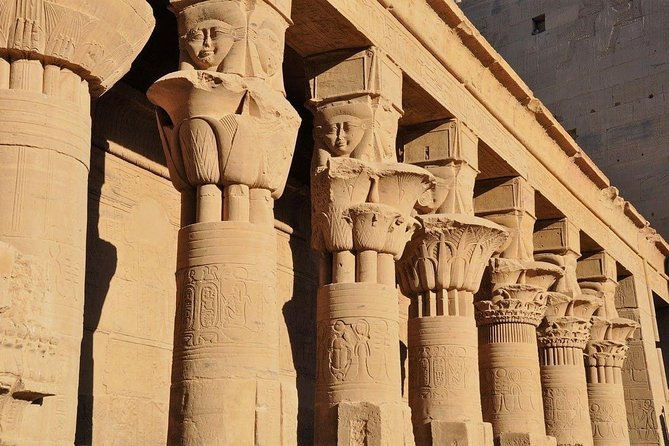
This tour is for you if you want the famous stuff—fast. In eight days, you’re going from the pyramids plateau and step pyramid era to Nile temple complexes, and then ending back in Cairo for your flight home. The best part is that it’s organized so you’re not stuck hunting tickets, arranging rides, or trying to figure out what’s worth your limited time.
The pacing is “busy but manageable” rather than leisurely. You’ll be up and moving for the headline sights—especially around Cairo and Luxor—so build your travel mindset around early starts, comfortable walking shoes, and short recovery windows. If you hate packing your day with timed visits, this might feel like too much.
You can also read our reviews of more guided tours in Cairo



Cairo Day 1: visa help that reduces stress on arrival
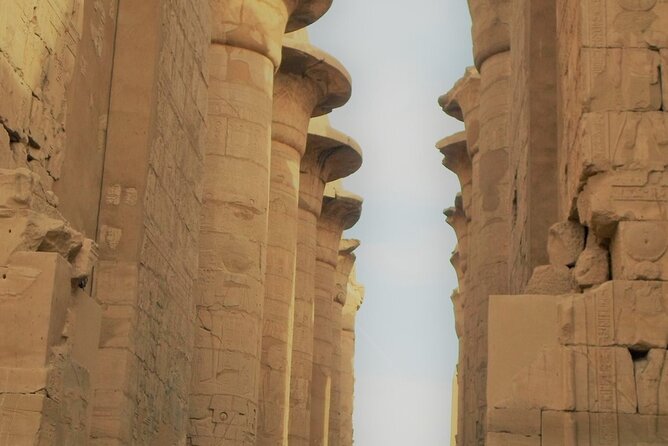
Day 1 is about getting you through the most admin-heavy moment: visa assistance and meeting support. That matters more than it sounds. The first hours after landing can turn complicated fast—forms, questions, lines, and language barriers—and having a plan to meet and assist keeps you from losing momentum.
This is also a nice setup for families or first-timers. You’re not thrown into chaos; you ease into the trip, then start sightseeing on Day 2 with less uncertainty about how the rest of the week will run.
Giza at the top of the world (and Saqqara for the “prequel”)
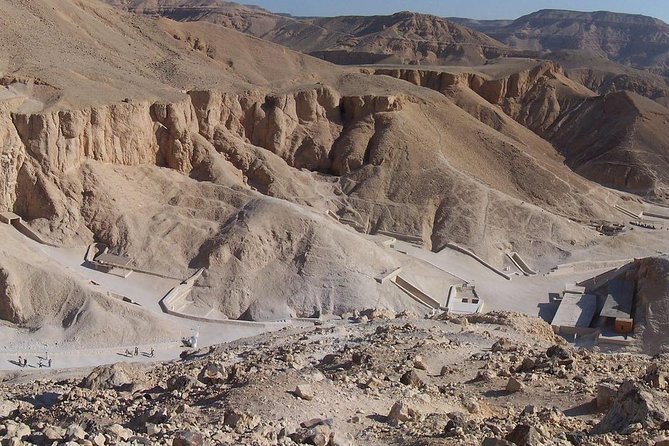
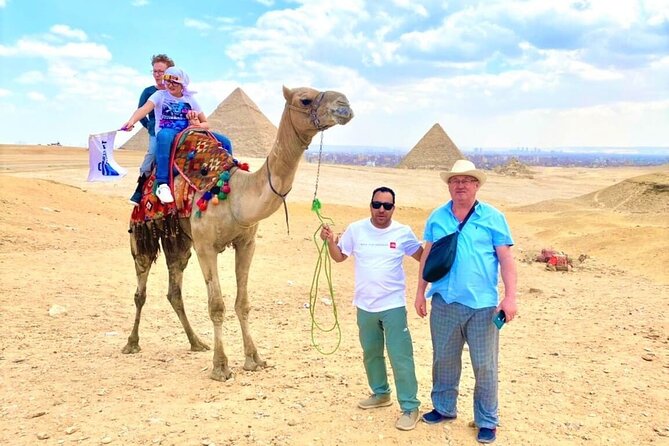
Day 2 is the classic Egypt shockwave: Pyramids of Giza and the Sphinx. Even if you’ve seen photos for years, being there in person is different. The scale hits immediately, and your guide’s role here is more than walking you around—it’s connecting what you’re seeing (pyramid shape, placement, and the Sphinx as a key icon) to the bigger story you’ll hear across the week.
You get about three hours at Giza with an admission ticket included. That’s enough time to take the signature views and still have space to look up close instead of rushing. Bring sunscreen and water. Also, plan your photos early if you’re sensitive to crowds.
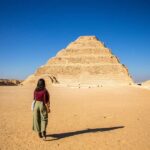
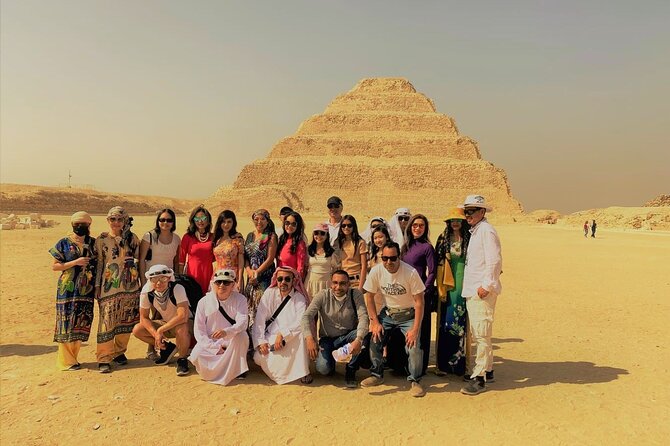
Then you shift to Saqqara (Step Pyramid). This is a great move because it adds context: you’re not only seeing the final form (Giza) but also earlier experimentation in stone architecture. The Step Pyramid is tied to the third Dynasty ruler Djoser, and it’s often described as an early milestone that grows out of earlier mud-brick tomb traditions.
After that, you visit Mit Rahina Museum—associated with ancient Memphis, near Mit Rahina. It’s an efficient way to add “where Egypt’s power lived” to your day, instead of only chasing monuments. Like most museum stops, it’s best if you keep your pace steady: look, read a bit, and let your guide connect objects to the sites you’ll see later.
Egyptian Museum, Coptic Cairo, and Khan el-Khalili: three flavors of old Egypt
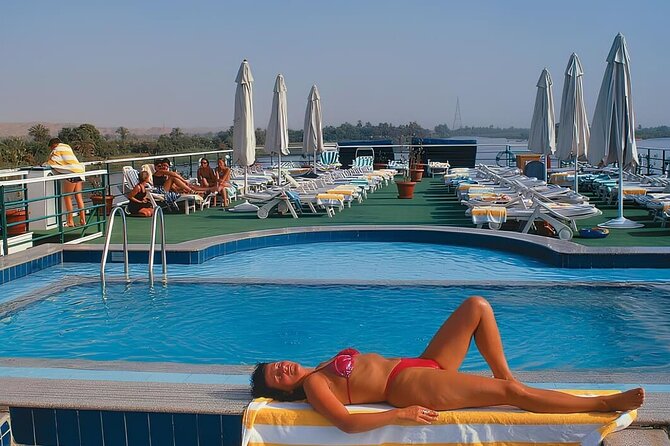
Day 3 is a smart blend: Egyptian Museum, Coptic Cairo, then Khan el-Khalili.
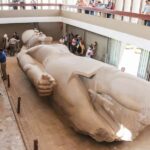
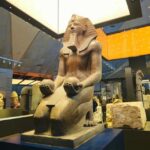
At the Egyptian Museum, you get roughly three hours and admission is included. This is where the highlights around King Tutankhamen’s treasures come into play. Even if you only know Tut from pop culture, the museum setting helps you see how these objects fit into a wider reign—and why Cairo matters as the hub for so much of Egypt’s finds.
Then it’s Coptic Cairo, about two hours with admission included. This part is refreshing because it’s not the pharaoh-only storyline. You’re walking through Old Cairo’s layered past—Fortress areas, churches, and the Hanging Church area—so Egypt feels like one long timeline rather than a set of separate “ages.”
Finally, Khan el-Khalili gives you the street-level texture: a major souk in Islamic Cairo with life both for visitors and Egyptians. Admission is free here, and the value is the experience of wandering with your guide so you understand what you’re seeing instead of getting lost in noise. If you want shopping, go in with a plan for what you’ll buy and what you’ll skip—crowded lanes can make impulse buys easy.
Aswan’s Philae temple: UNESCO rescue work you can actually see
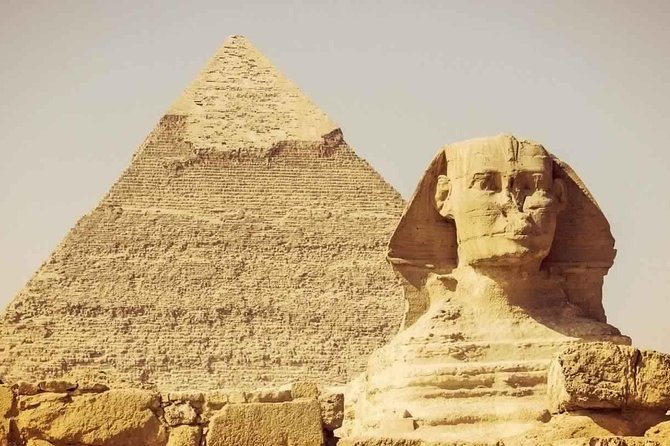
On Day 4, the highlight is Temple of Philae near Aswan. This temple is special for a reason beyond its beauty. It was saved from a watery grave by a UNESCO rescue project, moved block by block from its island setting to its current location. Knowing that before you arrive changes how you look at the stonework. It feels like a monument that survived because people chose to preserve it.
The visit runs about five hours, with admission included. Your time here is also where optional add-ons often appear. The plan mentions optional tours you can request, like Abu Simbel and the Nubian village, on that day. The key point for your planning: if you want those, you’ll need to decide based on how you handle extra travel time and what you want your “free choices” to be during the week.



Kom Ombo and Horus: the Nile’s temples in two very different moods
Day 5 brings two temples, and the switch in tone is part of the payoff.
First is Kom Ombo, a double temple from the Ptolemaic period. The layout is what makes it interesting: one side relates to Sobek, the crocodile god; the other side is tied to other deities. It’s a reminder that Egyptian religion wasn’t one single theme—it shifted by place, time, and local importance.
Next is Temple of Horus, built between 237 and 57 BC and described as one of the best-preserved monuments. The desert sand that accumulated over time also helped it survive, and you’ll feel that atmosphere when you’re there. This stop is around three hours, with admission included.
In practical terms, this day is a strong example of why a guide matters. A temple isn’t just “big rocks.” With an Egyptologist, you learn what you’re looking at and why the design is the way it is.
Luxor Temple and Karnak: when the scale makes you slow down
Day 6 leans hard into Luxor’s most famous settings.
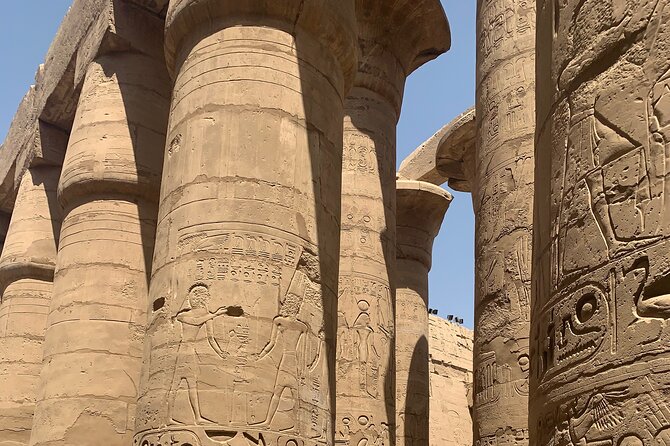
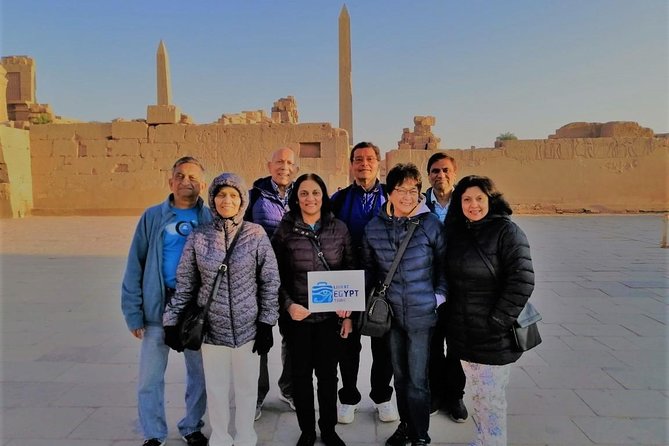
You start with Karnak Temple, a vast complex dedicated primarily to Amun dating back as early as 2000 BC. You’ll spend about two hours with admission included. Karnak can feel endless, but the structured visit helps: you focus on the big story elements and major parts of the complex rather than wandering aimlessly.
Then comes Luxor Temple on the east bank, about two hours and admission included. Luxor Temple is easier to connect emotionally because it’s a more concentrated experience after Karnak’s massive sprawl.
From there, you visit Valley of the Kings (about three hours) with admission included. This is the moment when Egypt becomes personal. Tombs are not temples you can see from far away—they’re spaces with ceilings, chambers, and symbolic designs meant for the afterlife. You’re across the Nile from the modern city, and that separation adds to the feeling.
To finish the day, you see the Colossi of Memnon—two massive stone statues of Pharaoh Amenhotep III. They’re included with free admission and a shorter stop (about 45 minutes). It’s a nice “breather” at the end when your feet are tired.
The Valley of the Kings day: plan for walking and heat
A practical note for Day 6: the Valley of the Kings visit often means more walking than you expect. Even with a guided route, you’re moving through sandy uneven ground and changing levels inside and around tomb areas.
If you’re the type who gets cranky when the sun is high, bring what you need—hat, water, and a light layer—even if the day looks mild in the morning. This is one of those days where comfort affects your enjoyment more than you might think.
Fly Luxor to Cairo: time saved, fewer travel headaches
Day 7 is simple: fly from Luxor to Cairo with the domestic flight included. The plan indicates this is included as a Luxor International Airport to Cairo flight, and the stop itself is short (about a minute on the schedule).
This is one of the tour’s smartest efficiency moves. Without that flight, you’d likely lose more time to long transfers. With it, you keep your sightseeing day value high and reduce the chance that transport delays steal your energy.
Last day: airport escort and a clean finish
Day 8 is the wrap-up: after your final activities, the team escorts you to the airport based on your flight details. The value here is reliability. After days of tours and changing locations, a smooth departure matters more than people think. You don’t want to be figuring out timing, rides, and counters at the last hour.
Hotels and Nile cruise meals: where the package quietly delivers value
This tour includes:
- 3 nights full board on a luxury cruise (B-L-D) on a ship such as Ms/ Crown Jewel or Blue Shadow or similar
- 4 nights at 5-star hotels such as Hilton Pyramids Golf or similar
- Breakfast, lunch, and dinner included in set counts (breakfast 6, lunch 5, dinner 3)
- Hotel/port pickup and drop-off
If you’re trying to compare value, this part is the heavy hitter. A lot of Egypt tours look good on paper but nickel-and-dime you with separate hotel nights, cruise add-ons, or domestic flights. Here, the core travel pieces are built in, so you’re not constantly recalculating costs mid-trip.
What you still need to remember is that this is still sightseeing-heavy. Meals on cruise days help you recharge, but you’ll still want snacks and water for the long temple days.
Price and logistics: is $2,675 per person worth it?
At $2,675 per person for roughly 8 days, you’re paying for three things that are hard to DIY smoothly in Egypt: a guiding team, major-site tickets, and the transport chain that keeps you moving Cairo ⇄ Aswan ⇄ Luxor ⇄ Cairo.
Here’s how I’d judge the value:
- If you plan to see Pyramids + Saqqara + Egyptian Museum + major temple circuit, the included admission tickets (noted for multiple stops) reduce guesswork.
- If you’d otherwise pay for domestic flights and long transfers, those are already handled here.
- If you care about interpretation (why something is significant, not just that it’s big), the qualified Egyptologist guide is the big differentiator.
The main “cost” you pay is energy. This itinerary squeezes a lot in, so you should only choose it if you like structured days and don’t mind moving on after you’ve had your fill.
Who this tour fits best (and who should rethink it)
This is a strong fit for:
- First-timers who want the best-known Egypt sites in a single week-plus
- Families who want a clear plan and pickup help
- People who hate arranging transport and tickets on the fly
- Travelers who want guided context, especially for temples and royal sites
You might reconsider if:
- You prefer slow travel with long breaks
- You get worn out by early mornings and frequent site-to-site transitions
- You want to spend more time in neighborhoods without scheduled stops
- You’re sensitive to how hot and dusty temple days can be
A quick note on tipping (because it’s part of the system)
The tour states tipping for guides, drivers, and assistants isn’t included. That’s pretty normal in Egypt, and it’s a practical budgeting item. I’d plan for it from day one rather than hoping the tour price covers everything.
Also, if you use that tipping money well, you’ll often feel it through smoother guidance and better help navigating timing.
Should you book this 8-day Cairo & Nile highlights tour?
If you want the essentials—Giza, Saqqara, Cairo’s museum and Old Cairo, Philae, Kom Ombo, Horus, Karnak, Luxor Temple, and the Valley of the Kings—this kind of package makes sense. It’s built to keep you from wasting time and lets you focus on what you came for: big monuments, temple design, and the stories behind them.
My honest advice: book it if your priority is seeing a lot with less planning stress. Choose a different style if you want a calmer pace, more free time, or a deeper stay in fewer places. This tour is “high output” by design—and it rewards you most when you’re ready for that rhythm.
FAQ
What is the duration of this Egypt tour?
The tour runs about 8 days.
Where does the tour take place?
It covers Cairo, Aswan, and Luxor, with the Nile cruise portion connecting those regions.
What’s included for transportation?
The package includes hotel/port pickup and drop-off plus domestic flights from Cairo to Aswan and from Luxor to Cairo.
Do I get a guide?
Yes. A qualified Egyptologist guide is included.
Are admission tickets included?
Admission tickets are included for several major stops such as the Pyramids of Giza, Saqqara (Step Pyramid), Mit Rahina Museum, the Egyptian Museum, Philae Temple, Kom Ombo Temple, Horus Temple, Karnak Temple, Luxor Temple, and the Valley of the Kings.
What about meals—are they included?
Yes. You get breakfasts, lunches, and dinners as included in the package (breakfast 6, lunch 5, dinner 3), plus full board on the 3-night Nile cruise.
Which hotel and cruise options are included?
The plan specifies hotels such as Hilton Pyramids Golf or similar for the 5-star nights, and a luxury cruise such as Ms/ Crown Jewel or Blue Shadow or similar.
Is the itinerary fixed?
The itinerary could be adjusted to your arrival date. There are also optional tours mentioned on request, such as Abu Simbel and the Nubian village.
How does cancellation work?
You can cancel up to 6 days in advance for a full refund, with partial refunds available if you cancel 2–6 days before the experience start time.