REVIEW · ASWAN
4 Day 3 Night Nile Cruise from Aswan with Abu simbel and Balloon
Book on Viator →Operated by CRUISE ERA · Bookable on Viator
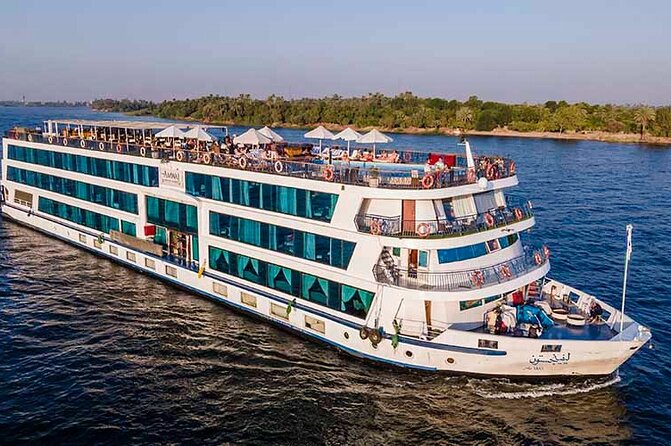
Abu Simbel hits before sunrise, then the Nile slows down. This 4-day Aswan-to-Luxor Nile cruise strings together big names like Philae, Kom Ombo, Edfu, Luxor, Karnak, and the Valley of the Kings, with a hot air balloon flight added near the end.
I love how Egyptologist guides help the temples make sense, not just look impressive. I also like the hot air balloon add-on (when weather cooperates) and the fact that breakfasts, lunches, and dinners are built into the plan, so you’re not constantly managing meals on your own.
One drawback to plan for: entrance fees for multiple sites aren’t included, so budget for tickets on top of the $550 price. Balloon timing can also shift or be canceled based on conditions, and the balloon ride has an age limit.
In This Review
- Key highlights you’ll feel on the trip
- What you’re really paying for on this Aswan-to-Luxor Nile cruise
- Day 1 in Aswan: High Dam and Philae Temple with a smooth start
- Day 2: Kom Ombo temple time, then Abu Simbel’s big early-morning mission
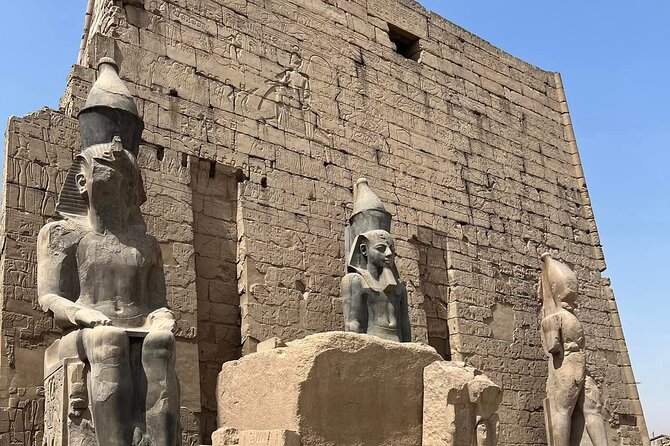
- Day 3: Edfu’s Temple of Horus, plus Luxor Temple and Karnak’s Hypostyle Hall
- Day 4 West Bank classics: Valley of the Kings, Hatshepsut Temple, and Colossi of Memnon
- Hot air balloon over Luxor: a top-tier memory with real-world constraints
- Egyptologist guides: the secret sauce behind Karnak and the Valley of the Kings
- Comfort onboard: pool time, entertainment, and the reality of long temple days
- Practical value tips: tickets, tipping, and pacing your photos
- Should you book this Aswan-to-Luxor cruise with Abu Simbel and balloon?
- FAQ
- How long is the cruise?
- Where do you get picked up and where does the tour end?
- Are meals included?
- Is Abu Simbel included?
- Is the hot air balloon ride included?
- Are temple entrance fees included?
- Can I cancel for a full refund?
Key highlights you’ll feel on the trip
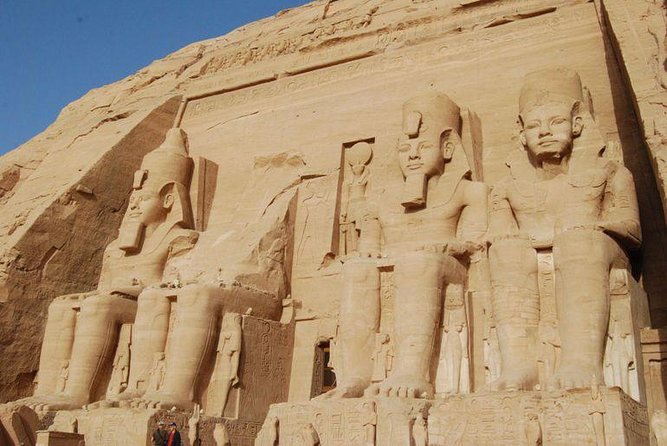
- Abu Simbel round-trip on day 2: an early pick-up, a timed visit, and back to the cruise by noon.
- A strong temple lineup without backtracking from Aswan to Luxor along the Nile.
- Hot air balloon over Luxor as a memorable finale (weather dependent).
- Small group size (max 20) makes transfers and sightseeing feel easier to manage.
- Egyptologist-led storytelling that connects what you see at Karnak and the Valley of the Kings.
What you’re really paying for on this Aswan-to-Luxor Nile cruise
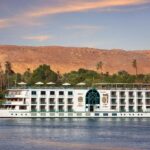
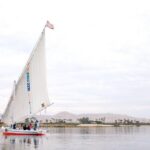
At $550 per person for 4 days and 3 nights, you’re mostly buying three things: transportation between key sites, a full-day structure that moves you efficiently along the Nile, and guided visits to the major monuments. You’re also getting the value of staying on the river—less packing, fewer hotel check-ins, and the calming rhythm of sailing between stops.
The “economy” angle is strongest on meals. Breakfast, lunch, and dinner are included across the trip (3 of each), which saves money and cuts down decision fatigue. If you’re the type who hates figuring out food logistics while trying to see temples, this format will likely feel like a relief.
Still, be honest about what’s not bundled. Entrance fees are not included for historical sites, and several days specifically flag tickets as not included. That doesn’t make the tour bad, but it does mean the true cost is closer to cruise price + site tickets + tips.
You can also read our reviews of more boat tours in Aswan
- 4-Days Nile Cruise From Aswan To Luxor including Abu Simbel and Hot Air Balloon
★ 5.0 · 3,142 reviews
Day 1 in Aswan: High Dam and Philae Temple with a smooth start
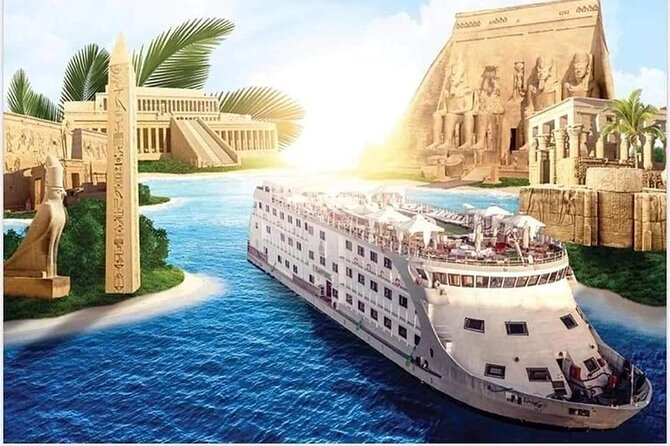
Day 1 begins with pick-up in Aswan—train station, airport, or hotel—and then you check in and settle onto the cruise. After lunch onboard, you head out for the Aswan High Dam and Philae Temple, then return for dinner and an overnight in Aswan.
Philae is one of those places where context matters. The guide’s job here is to connect the temple’s setting and symbolism to ancient Egyptian beliefs, so it doesn’t just feel like walls and carvings. If you’ve ever walked through a site and wondered what you were looking at, you’ll appreciate the Egyptologist approach early in the trip.
The High Dam visit adds a different type of meaning. You’re seeing how modern Egypt shapes the river today, right after you step into an ancient religious landscape. It’s a good contrast day one: past, then present, then back to the quiet of the ship.
Day 2: Kom Ombo temple time, then Abu Simbel’s big early-morning mission
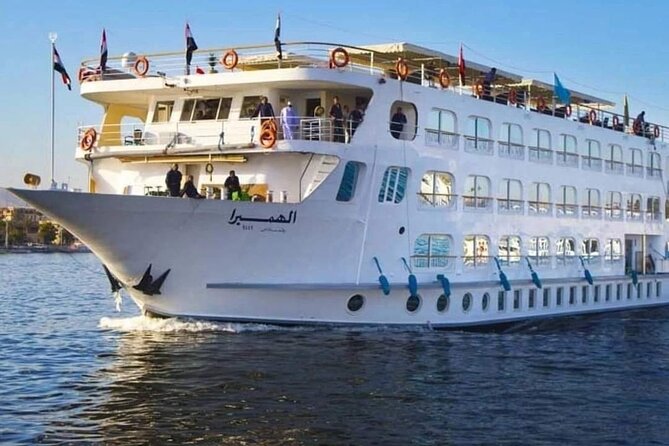
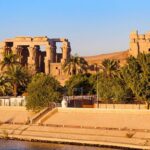
Day 2 is where the itinerary flexes its most impressive muscle. You sail to Kom Ombo and visit the temple there for about 1.5 hours, then lunch onboard. Kom Ombo is dedicated to major deities and is known for its distinctive layout—expect a guided explanation that helps you spot the temple’s logic instead of only its decoration.
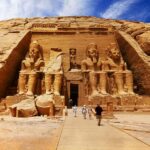
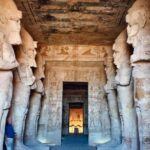
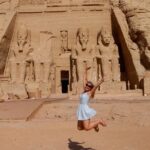
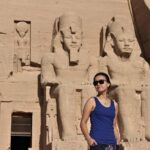
Then comes Abu Simbel, and yes, it starts early. Around 4:30, a driver picks you up for a shared small-group trip. You arrive around 8:00, visit the rock-cut temples built for Ramesses II and Queen Nefertari, and then you’re back at the cruise by noon for lunch and sailing onward to Kom Ombo city and then Edfu, where you sleep.
The practical takeaway: Abu Simbel is the kind of stop you shouldn’t mentally treat as casual sightseeing. Going at dawn helps the visit feel more manageable and gives you time before the day crowds fully build. It’s a long day, but the payoff is that you experience one of Egypt’s signature monuments without losing the Nile rhythm.
Day 3: Edfu’s Temple of Horus, plus Luxor Temple and Karnak’s Hypostyle Hall
Day 3 is a “great temples, well-paced” day—packed, but structured. In the morning, you visit Edfu Temple, dedicated to the falcon god Horus. It’s often described as Egypt’s best-preserved temple, and on a guided visit you’ll notice the carvings and layout making more sense because you’re given what to look for.
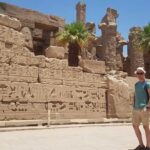
Afterward, you sail toward Luxor via Esna, then in the afternoon you visit Luxor Temple and Karnak. Karnak is the one that takes over your whole attention span—in a good way. The Hypostyle Hall is huge: it covers about 5,356 square meters and is supported by 134 colossal columns, about 70 feet high, with roof blocks forming the ceiling.
This is where Egyptologist guidance matters most. Without it, Karnak can turn into a beautiful blur. With it, you start seeing how the space is organized and what the carvings communicate, which makes the place feel less like a museum and more like a functioning worldview.
You overnight in Luxor after a day that moves you from river temples to the central heart of ancient Thebes.
Day 4 West Bank classics: Valley of the Kings, Hatshepsut Temple, and Colossi of Memnon
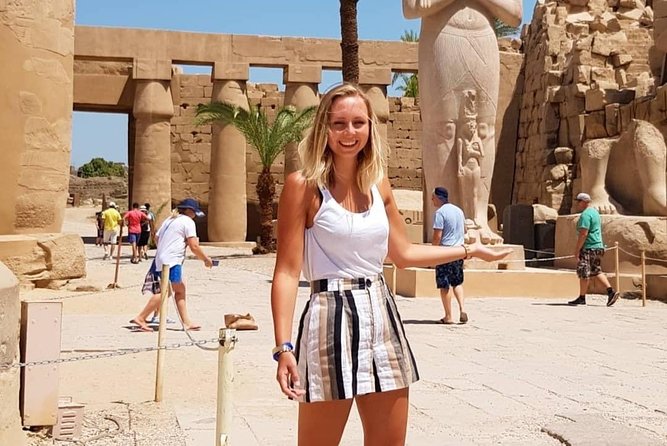
After breakfast, you disembark in the morning and head to Luxor’s west bank for the Theban Necropolis highlights. This day is less about one huge complex and more about multiple icons you’ll recognize instantly from books, stamps, and photos.
First up: the Valley of the Kings, where more than 60 pharaohs are said to have resting places carved out of the mountain cliffs. The guide’s explanation helps you understand why this location was chosen, and how tomb-making reflected power, belief, and time.
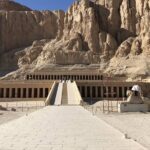
Then you visit Temple of Hatshepsut and the Colossi of Memnon—the remaining statues connected to Amenophis III’s funerary temple. These two stops are great because they shift the feeling of the day: the Valley is all about tomb entrances and secrecy, while Hatshepsut and the Colossi are about monumental presence.
Timing is part of the plan. The tour typically wraps around 14:00, and you’ll transfer to the Luxor train station, Luxor airport, or a Luxor hotel. Final departure is listed as no later than 16:00, so you’ll want to plan your next steps around that.
You can also read our reviews of more evening experiences in Aswan


Hot air balloon over Luxor: a top-tier memory with real-world constraints
The balloon ride is one of the most memorable elements in this experience. It’s included, but it’s also weather dependent, which is how it should be in aviation reality. If the balloon is canceled, there’s a specified partial refund of $25.
There’s also an important age rule: a child under 6 years isn’t allowed for the balloon trip. If you’re traveling as a family, this matters for who can participate, so you’ll want to confirm ages at booking.
In my view, this is a smart add-on for a cruise like this. Temples are close-up, detailed, and sometimes exhausting for the brain. A balloon ride gives you a different scale—how the Nile bends, how the city sits, and why the river mattered so much.
Egyptologist guides: the secret sauce behind Karnak and the Valley of the Kings
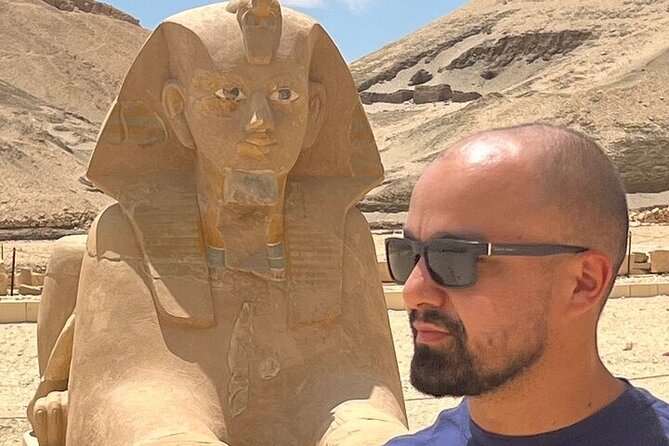
The strongest praise in the material centers on guides—people who explain more than dates and names. I’m not talking about a lecture vibe. I’m talking about guides like Noha, Ayman, Hany, Yousef, Reem, Adel, Mahmoud, and Ahmed Nour Ali (all named in the feedback you provided) who helped visitors connect stories to stone.
What you’ll likely feel during your visit is a shift from looking to understanding. When a guide gives a story at the right moment—before you enter a hall, or while you stand where an ancient message would have landed—it changes how you experience the site. You don’t just see columns; you learn why they were placed there, what scenes imply, and what the builders wanted people to believe.
That storytelling approach also helps on a multi-day schedule. When you’re moving from Aswan to Edfu to Luxor in a few days, it’s easy for facts to blur. Good interpretation keeps each stop distinct.
Comfort onboard: pool time, entertainment, and the reality of long temple days
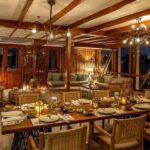
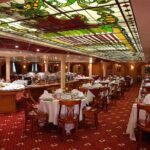
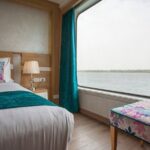
This cruise is designed as a full-board vacation style. You’ll have onboard meals included and there’s a swimming pool plus onboard entertainment. That matters because the itinerary can be temple-heavy, especially with Abu Simbel and the Karnak afternoon.
You won’t always feel like relaxing at midday. Some days are long, and the early start for Abu Simbel is a reminder that you’re on a schedule. But having a ship that offers down time—dinner onboard, a place to cool off—keeps the trip from turning into nonstop stress.
I also like the “overnights where they matter” approach. You sleep in Aswan, Edfu, and Luxor, which reduces the number of times you’re transferring bags and trying to squeeze sightseeing into travel days.
Practical value tips: tickets, tipping, and pacing your photos
Here’s the practical side that helps you avoid surprises. Entrance fees for historical sites are listed as not included, and the itinerary marks multiple stops as not included for admissions. For a cruise like this, that typically means you should plan your spending around entry tickets for temples such as Kom Ombo, Abu Simbel, Edfu, Karnak, and the west bank sites.
Also plan for tipping. Gratuities for cruise staff, guides, and drivers aren’t included, and in Egypt that’s part of how the service economy works for this type of guided group trip.
For pacing, the biggest tip is simple: don’t try to photograph everything like you’re building an archive. Pick a few “anchor” shots each stop, then spend the rest of the time with your eyes on what the guide is pointing out. It’s the difference between leaving with a camera full of images and leaving with real understanding.
Should you book this Aswan-to-Luxor cruise with Abu Simbel and balloon?
If you want the best combination of major monuments + guided context + river comfort, this is a strong match. You’ll like it especially if you prefer a plan that handles transfers and meals, and you’re excited to see Abu Simbel without DIY logistics.
Book it if:
- You want a guided route through Aswan, Edfu, and Luxor with a balloon finale.
- You value Egyptologist storytelling that makes Karnak and the Valley of the Kings easier to grasp.
- You’re okay paying separate entrance fees and handling tips.
Skip or reconsider if:
- You’re traveling very young kids and the balloon age rule makes participation impossible.
- You dislike early mornings, because Abu Simbel includes a very early pick-up.
- You’re trying to keep your spending tightly within the cruise price alone, since entrances are not included.
FAQ
How long is the cruise?
The experience is 4 days and 3 nights, with the itinerary running approximately 4 days.
Where do you get picked up and where does the tour end?
You’re picked up in Aswan on Day 1 (train station, airport, or hotel) and the tour ends in Luxor, with transfers to the train station, airport, or a Luxor hotel.
Are meals included?
Yes. The tour includes breakfast (3), lunch (3), and dinner (3) on a full-board basis.
Is Abu Simbel included?
Yes. Round-trip Abu Simbel is included with a group drive from the cruise.
Is the hot air balloon ride included?
Yes, hot air balloon is included. If the balloon is canceled, there is a refund of $25, and the ride depends on good weather.
Are temple entrance fees included?
No. Entrance fees for historical sites are listed as not included, and several stops indicate admission tickets are not included.
Can I cancel for a full refund?
Yes. You can cancel up to 24 hours before the experience’s start time for a full refund.
You Might Also Enjoy
More Evening Experiences in Aswan
More Boat Tours & Cruises in Aswan
- 4-Days Nile Cruise From Aswan To Luxor including Abu Simbel and Hot Air Balloon
★ 5.0 · 3,142 reviews

More Tour Reviews in Aswan
- 4-Days Nile Cruise From Aswan To Luxor including Abu Simbel and Hot Air Balloon
★ 5.0 · 3,142 reviews