Cruise the Nile at a relaxed pace. This Aswan to Luxor trip strings together the big-name sites from Philae and Abu Simbel to Kom Ombo, Edfu, and the Luxor temples, with guided stops that keep the story straight as you travel. You also get an early sunrise hot air balloon over the West Bank, which adds a wow-factor that feels different from the rest of the day.
What I like most is the way the days are structured: you get real sightseeing blocks on shore, then you’re back on board for meals, sailing time, and rest. I also like that the experience leans on an Egyptology guide, not just a driver and a list of monuments. That matters when you’re moving fast between temples that look similar at first glance.
One potential drawback is cost creep from entrances. The schedule includes a lot of major sites, and the tour data clearly lists entrance tickets as not included for multiple stops. Also, expect early mornings on days with balloon and West Bank touring, plus moderate walking.
In This Review
- Key highlights to know before you go
- Aswan to Luxor by Nile Cruise: the real value
- Pickup and private timing: why it feels easier than it sounds
- Day 1 in Aswan: High Dam and Philae with a boat ride
- Day 2: the long morning to Abu Simbel and the Kom Ombo dual temple
- Day 3 in Edfu and Luxor: Horus, sailing, then East Bank at dusk
- Day 4: sunrise balloon over Luxor, then the West Bank essentials
- Hot air balloon at dawn: how to make it worth your early wake-up
- Food onboard: a simple reason to love this kind of trip
- Tickets and budgeting: what costs extra and how to plan ahead
- Who this Aswan-to-Luxor cruise fits best
- Should you book this cruise with a sunrise balloon?
- FAQ
- How long is the cruise from Aswan to Luxor?
- Where does the tour start and end?
- Is pickup included?
- Are meals included?
- Is there an Egyptology guide?
- Does the itinerary include a hot air balloon ride?
- Which main sights are included on the route?
- Are entrance tickets included?
- Is this a private tour?
- Is moderate walking required?
- Is there a refund if I cancel?
Key highlights to know before you go
- Guides who connect the dots across Aswan, Kom Ombo, Edfu, and both banks of Luxor
- Sunrise balloon over Luxor with an aerial view of temples and tomb areas
- Classic Nile rhythm: temple touring, then sailing, then deck time and onboard shows
- Private, door-to-door transfers using air-conditioned transport
- Serious site hits in a short window: High Dam, Philae, Abu Simbel, Valley of the Kings, Karnak
- Edfu by horse carriage adds a memorable local-feeling touch on Day 3
Aswan to Luxor by Nile Cruise: the real value
This kind of cruise works because it removes the stress of constant check-ins and long travel days. Instead of bouncing between cities on your own schedule, you move on the Nile while your guides handle the timed visits and connections.
The core value is that you get multiple “top of the list” locations without spending each day figuring out how to get there. You also get onboard time that’s actually useful: relaxing in between temple stops, eating without hunting for meals, and watching the river slide by as the scenery changes.
And you’re not just cruising past things. Shore days include guided visits to major stops like Philae Temple and Abu Simbel, plus the East and West Banks of Luxor. That balance is the sweet spot for first-time southern Egypt visits.
You can also read our reviews of more boat tours in Aswan
- 4-Days Nile Cruise From Aswan To Luxor including Abu Simbel and Hot Air Balloon
★ 5.0 · 3,142 reviews

Pickup and private timing: why it feels easier than it sounds
The tour includes qualified licensed drivers and door-to-door transfers from your Aswan start point (airport, train station, or your hotel) to the cruise. In practice, that reduces the hardest part of travel here: arriving in a city and immediately having to sort transport on your own.
It’s also set up as a private tour/activity for your group. That matters because private means you’re not squeezed into other people’s pacing. If you want to ask questions, your Egyptology guide can actually answer them in context rather than rushing you along.
One thing to keep in mind: the itinerary packs a lot of sights into a short time. You’ll still have a full day structure even when you’re “on vacation,” especially on the balloon and West Bank day.
Day 1 in Aswan: High Dam and Philae with a boat ride
Day 1 starts with a transfer into Aswan and check-in on a 5-star Nile cruise before lunch. That’s a smart start: you’re not spending your first hours unpacking while you’re also trying to tour.
Then comes Aswan High Dam, built in 1960 to help control flooding and generate electricity. It’s not a temple, so it gives you a different angle on Egypt’s story—modern engineering shaping daily life in a place defined by the Nile.
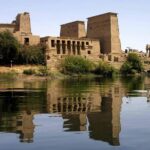
After that, you visit Philae Temple, including a ride by small motorboat to reach the complex. Temples that require a boat crossing have a built-in sense of arrival. It also helps you remember that this area is tied to water management and river access, not just stone monuments.
Your day wraps back on board with dinner, a folkloric show, and an overnight stay. If you like easing into a trip with a mix of “learn” and “relax,” this is a good landing day.
Day 2: the long morning to Abu Simbel and the Kom Ombo dual temple
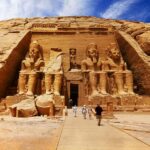
If Day 1 is about Aswan’s landmarks, Day 2 is about one of Egypt’s biggest spectacle stops: Abu Simbel Temple Complex.
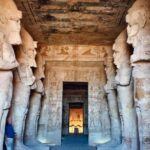
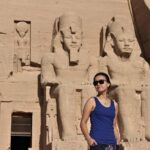
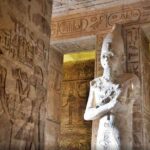
The schedule picks you up around 4:30 for a private Abu Simbel trip, arriving around 8:00 am. Abu Simbel is famous for its rock-cut temples and the way the complex honors King Ramesses II and Queen Nefertari. In plain terms: this is where Egypt stops being “ancient” on a map and becomes monumental in real scale.
Then you’re back on the cruise by noon for lunch and sailing toward Kom Ombo. If you’ve ever wished you could see the key sites without losing the rest of your day, this pacing is the trade-off: you invest time in the morning, and the afternoon shifts back toward river life.
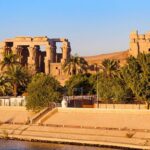
Kom Ombo includes its dual temple, dedicated to Sobek (the crocodile god) and Horus (the falcon god). It’s a great stop because it’s different in feeling from the more “single-storyline” temple visits elsewhere. After dinner, the cruise continues to Edfu for overnight.
Day 3 in Edfu and Luxor: Horus, sailing, then East Bank at dusk
Day 3 begins with Edfu and its standout, Temple of Horus. You start with breakfast, then a guided visit that includes a horse carriage ride as part of getting there. That little transport detail matters. It slows you down enough to feel like you’re moving through the town, not just arriving and departing.
Temple-wise, Edfu’s Horus complex is described as among the most complete and best preserved. Even if you’re not trying to memorize every wall scene, it helps to have the guide translate what you’re seeing into something understandable.
Afterward, you return to the cruise and sail toward Luxor, including a crossing of the Esna Lock. Those lock moments are often overlooked by travelers, but they’re an interesting “how the system works” break. You get a pause in movement where everything feels mechanical and deliberate, like the Nile has a timetable of its own.
In the afternoon, you arrive near the Luxor dock and transfer to Luxor Temple on the East Bank. Dinner is on board, followed by a belly dancing show, and an overnight in Luxor.
There’s one helpful timing note: if your arrival at Luxor dock is by 3:00 or 3:30 pm, you can potentially visit both Karnak and Luxor Temples. If that timing lines up with your schedule, it’s a big bonus.
- 4-Days Nile Cruise From Aswan To Luxor including Abu Simbel and Hot Air Balloon
★ 5.0 · 3,142 reviews

Day 4: sunrise balloon over Luxor, then the West Bank essentials
Day 4 is the “storybook” finale, starting early for the hot air balloon flight over the West Bank of Luxor. Pickup is scheduled around 5:00 am, and the balloon ride is about 30 minutes. The point here isn’t just the thrill. It’s how the sunrise angle makes the temples and tomb areas easier to map in your mind.
After breakfast and check-out, you move to the West Bank for the Valley of the Kings. The setting is the whole reason this stop matters: New Kingdom pharaoh tombs carved into mountains, built to hide treasure and protect mummies. Two hours gives you time to see the variety without feeling like you’re speed-walking.
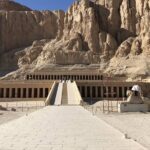
Next up is Temple of Hatshepsut at Deir el Bahari, the mortuary temple for Queen Hatshepsut. It’s a perfect match after the Valley of the Kings because it shows royal power in a different format—less about underground secrecy, more about monumental display and legacy.
Then comes a photo stop in front of the Colossi of Memnon statues. It’s short, but it helps you connect the East and West banks as part of the same story arc.
Finally, you head back to the East Bank for Karnak Temple, described as the largest temple, built over 2000 years, covering about 63 acres. Karnak can feel endless in a good way. Having time for photos between pillars and obelisks helps you actually see the scale, not just look at it briefly.
You’re then transferred back to your Luxor hotel, airport, or railway station around 3:00 to 4:00 pm.
Hot air balloon at dawn: how to make it worth your early wake-up
The balloon ride is one of the strongest reasons to choose this itinerary. It changes how you perceive Luxor. From ground level, West Bank sites can look like separate stops. From above, you start to understand how the temples and tomb zones line up across the region.
That said, double-check what’s included in your specific booking. The itinerary lists the balloon admission ticket as not included, while the overall feature list calls out a sunrise balloon as included. Before you pay, confirm whether your price covers the balloon flight fee or only the ride scheduling. This one detail can affect your final budget.
Also, plan for an early start. Pickup at around 5:00 am means you’ll want sleep and a calm morning routine. Bring what you need for comfort in cool early air, and keep your day bag simple so you don’t waste time fumbling during transfers.
Food onboard: a simple reason to love this kind of trip
Meals are included: breakfast (4), lunch (3), and dinner (3). That’s practical value in Egypt where you’d otherwise spend time deciding where to eat between temple blocks.
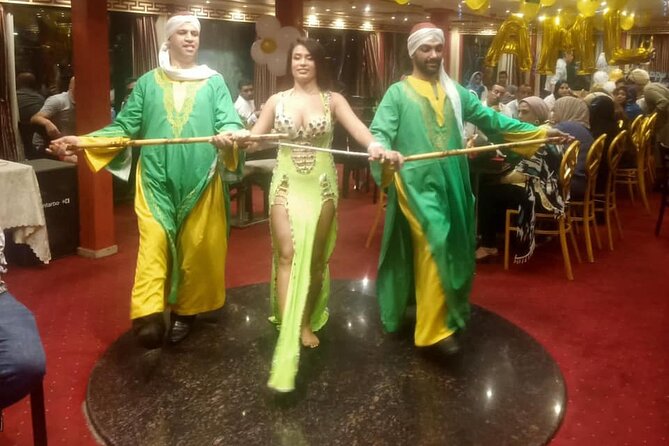
The tour also includes onboard entertainment and moments that help you reset. Day 1 has a folkloric show, and Day 3 adds a belly dancing show. Those aren’t “must-see Egypt,” but they do provide a wind-down after long walking and museum-like pacing.
You’ll also get time for deck moments, including afternoon tea on the sundeck and time to enjoy a local Egyptian drink while sailing. These are the pauses that make the whole itinerary feel doable instead of exhausting.
Tickets and budgeting: what costs extra and how to plan ahead
Here’s the honest part: entrance tickets are not included across a lot of the major sites.
From the itinerary notes, tickets are listed as not included for places like Philae (boat-access temple stop on Day 1), Abu Simbel, Kom Ombo, Temple of Horus (Edfu), Valley of the Kings, Hatshepsut at Deir el Bahari, and Karnak. In contrast, some items are marked with free admission tickets (like parts of the Aswan High Dam segment, and Luxor Temple under a specific stop note).
So treat the published price as the cost of the cruise, guide service, and logistics, then budget separately for entrance fees. If you’re price-sensitive, ask for the entrance-fee estimate before you commit. It’s the one area that can shift your total.
If you like certainty, build a buffer. When there are many paid entrances, the final amount can land higher than you expect, especially if you want specific tombs or special areas.
Who this Aswan-to-Luxor cruise fits best
This is a strong match if you want big sights, guided context, and less logistical hassle.
It also suits you if you:
- like having an Egyptology guide translate what you’re seeing
- want a mix of early starts and relaxing onboard time
- prefer private pacing over joining a larger shared tour
- value a sunrise balloon experience rather than only temple visits
It may be less ideal if you:
- hate early mornings (balloon pickup is around 5:00 am)
- dislike walking on uneven stone in temple areas
- need fully predictable totals because entrance fees aren’t included for many stops
Your physical requirement is listed as moderate fitness. That’s a fair warning: you’ll be on your feet for long temple days even with guided stops.
Should you book this cruise with a sunrise balloon?
I’d book this if you want a clear, high-impact route from Aswan to Luxor that hits the iconic places and still gives you onboard downtime. The balloon is the differentiator, and the guided structure is what turns a long itinerary into something you can actually enjoy.
I’d hesitate only if you dislike paying separate entrance fees or if early starts will ruin your trip mood. If that sounds like you, ask for the entrance-fee breakdown first and weigh it against your budget.
If you like your Egypt travel guided, organized, and paced with actual rest, this one makes sense.
FAQ
How long is the cruise from Aswan to Luxor?
The experience is listed as about 4 days with 3 nights on the Nile cruise.
Where does the tour start and end?
It starts in Aswan and ends in Luxor, with transfers back to your Luxor hotel, airport, or railway station around 3:00 to 4:00 pm on the final day.
Is pickup included?
Yes. The tour offers door-to-door transfers from your pickup point in Aswan (airport, railway station, or your Aswan hotel) and transfers from Luxor at the end.
Are meals included?
Yes. The itinerary includes breakfast (4), lunch (3), and dinner (3).
Is there an Egyptology guide?
Yes. The tour includes a qualified Egyptology guide, and your private guided visits include histories and explanations.
Does the itinerary include a hot air balloon ride?
Yes, there is a sunrise hot air balloon flight scheduled early on Day 4 (pickup around 5:00 am, flight about 30 minutes). The itinerary also lists balloon admission as not included, so confirm what your booking covers.
Which main sights are included on the route?
The schedule includes Aswan High Dam, Philae Temple, Abu Simbel, Kom Ombo, Temple of Horus (Edfu), Luxor Temple, Valley of the Kings, Hatshepsut at Deir el Bahari, Colossi of Memnon photo stop, and Karnak Temple.
Are entrance tickets included?
No. The tour data states that entrance tickets are not included for multiple sites, even though some notes list certain admission as free for specific stops. Ask for a full entrance-fee picture for your choices.
Is this a private tour?
Yes. It is listed as a private tour/activity, meaning only your group participates.
Is moderate walking required?
Yes. Travelers should have moderate physical fitness due to the sightseeing schedule and time spent at historic sites.
Is there a refund if I cancel?
No. The experience is non-refundable and cannot be changed for any reason, based on the cancellation policy provided.
If you want, tell me your travel month and whether you care more about the balloon or the temples, and I’ll suggest the best way to plan your day-of timing around it.
You Might Also Enjoy
More Boat Tours & Cruises in Aswan
- 4-Days Nile Cruise From Aswan To Luxor including Abu Simbel and Hot Air Balloon
★ 5.0 · 3,142 reviews
More Tour Reviews in Aswan
- 4-Days Nile Cruise From Aswan To Luxor including Abu Simbel and Hot Air Balloon
★ 5.0 · 3,142 reviews