REVIEW · CAIRO
2 Days Private Tour to Landmarks in Giza and Cairo
Book on Viator →Operated by Packnfly · Bookable on Viator
One look at the pyramids, and you get it. This private 2-day route strings together Giza, Saqqara, and Dahshur with a second day that hits the Egyptian Museum, the Citadel, and Khan al-Khalili, all with an Egyptology guide and personal attention. What I like most is the “big sites, explained well” approach, and the fact you get daily A.C. vehicle pickup with a guide who can connect the dots across sites.
The main thing to watch is cost: the tour price is $120 per person, but entrance fees are not included for most stops, so you should budget for tickets on top.
In This Review
- Key things to know before you go
- Two Days of Cairo Icons Without the Guesswork
- Day 1: Giza Plateau, Cheops-to-Sphinx views, and photo-ready stops
- Saqqara’s Step Pyramid: where pyramid history gets real
- Dahshur Red and Bent Pyramids: the older royal necropolis stop
- Day 2: Egyptian Museum and the Tutankhamun exhibit
- Citadel time: Mohammed Ali Mosque and the meaning of power
- Khan al-Khalili: souq energy as your winding-down finale
- What the Egyptology guide actually changes for you
- Vehicle comfort, pacing, and small practical wins
- Price and tickets: what you’re paying for (and what you still need to buy)
- Reliability and the one caution I’d take seriously
- Should you book this Giza and Cairo private tour?
- FAQ
- What is included in the tour price?
- Are entrance fees included?
- How much are the entrance fees?
- Is this a private tour?
- Do you get airport pickup and drop-off?
- Is lunch included?
- What is the cancellation policy?
Key things to know before you go
- Private Egyptology guide: professional English commentary that follows you from site to site.
- Two-day focus on pyramid history: Giza first, then the older step-and-royal necropolis fields at Saqqara and Dahshur.
- Egyptian Museum time at Tutankhamun exhibit: plan for a lot of standing and looking in galleries.
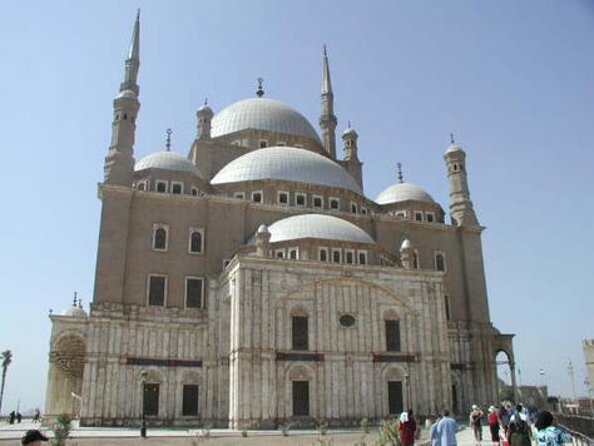
- Citadel + Alabaster Mosque area: you’ll see Mohammed Ali Mosque at the Citadel, though it’s not currently opened for visits.
- Khan al-Khalili at the end: souq time after the heavy hitters, when you can slow down and browse.
- Logistics that reduce friction: hotel pickup/drop-off, bottled water, and a mobile ticket.
Two Days of Cairo Icons Without the Guesswork
If you want Cairo in two days, you normally face a tradeoff: either you move fast but get little context, or you slow down but miss key stops. This tour chooses speed with structure, and it helps that it is a private experience with an Egyptology guide. You’re not bouncing around with strangers while trying to piece together timelines on your own.
Day 1 is all about pyramid evolution and the Egyptian worldview, from the famous Giza Plateau down to the Step Pyramid era and then the royal building projects at Dahshur. Day 2 switches gears to what you can actually see and study indoors: the Egyptian Museum, then a historic power center at the Citadel, and finally a classic market walk at Khan al-Khalili.
You can also read our reviews of more private tours in Cairo


Day 1: Giza Plateau, Cheops-to-Sphinx views, and photo-ready stops
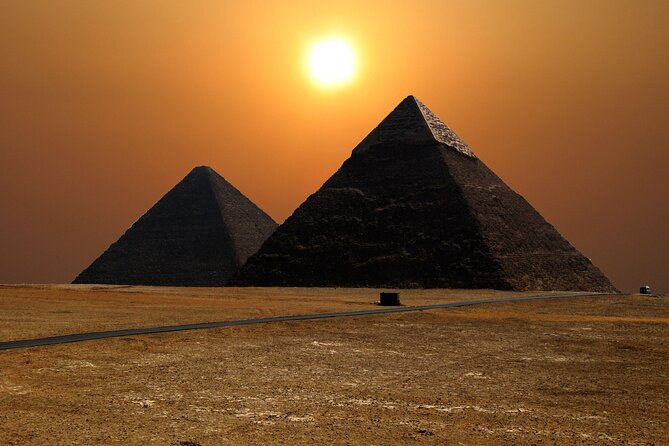
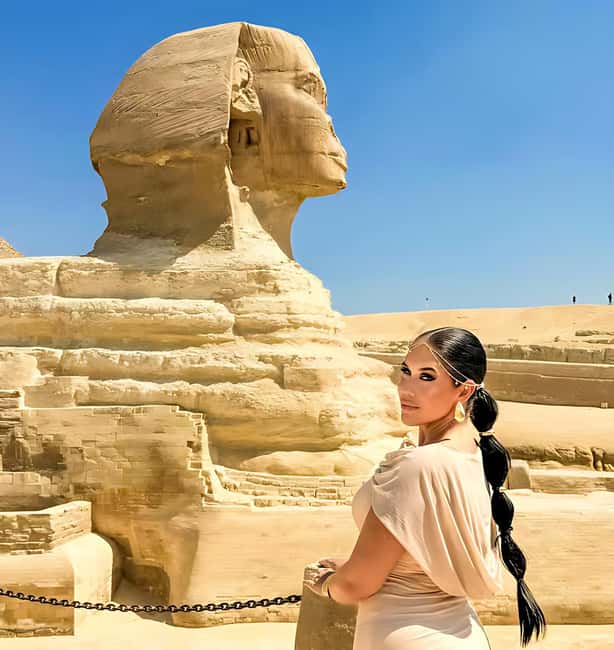
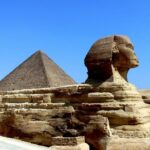
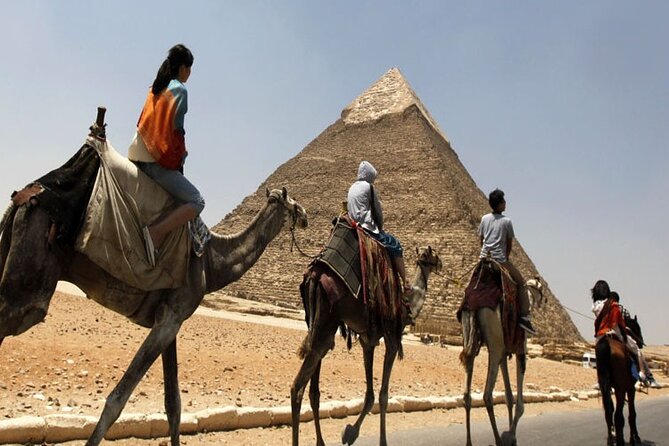
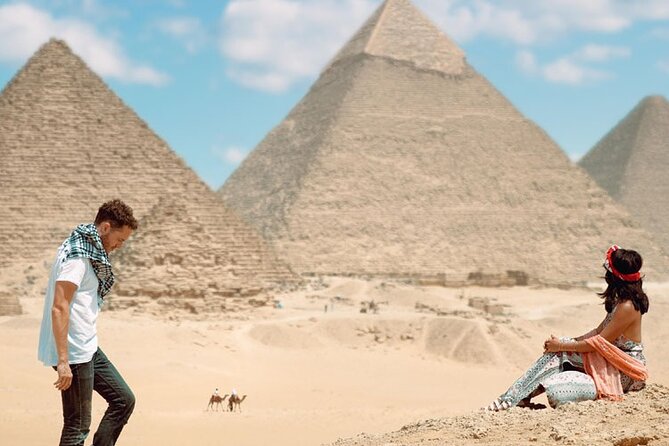
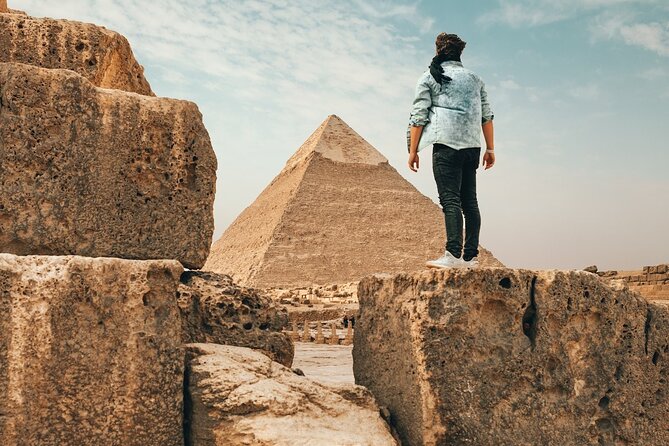
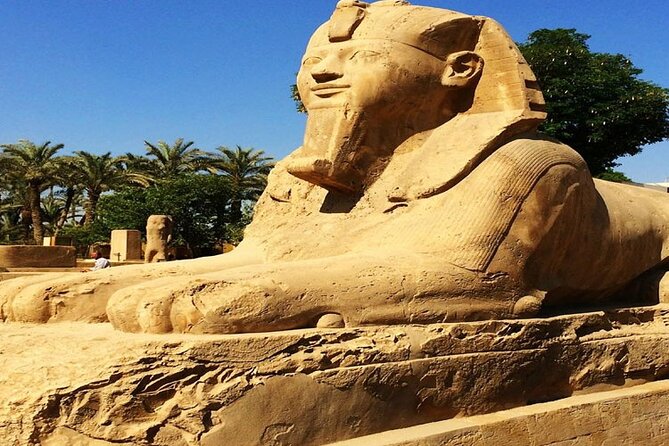
Day 1 starts with pickup and a full push across the Giza Plateau. This is the part most people picture when they imagine Egypt: the pyramids of Cheops, Chephren, and Mycrenos, plus the Great Sphinx. The guide’s job here is not just to say names, but to make you understand what you’re looking at—why these sites mattered, how they relate to each other, and what the monuments were built to represent.
You’ll spend about 2 hours here (admission tickets are extra). This is a sweet amount of time for getting oriented, taking pictures from the best viewing angles you can manage, and not feeling rushed. The Sphinx is a major highlight, especially if you’ve only seen it in books or online. Standing near it gives you a new sense of scale, and the views from the plateau are part of the experience too.
Practical note: Giza entrances and the Sphinx-related areas require paid entry, so make sure you plan for the Giza pyramids entrance fee on top of the tour price.
Saqqara’s Step Pyramid: where pyramid history gets real
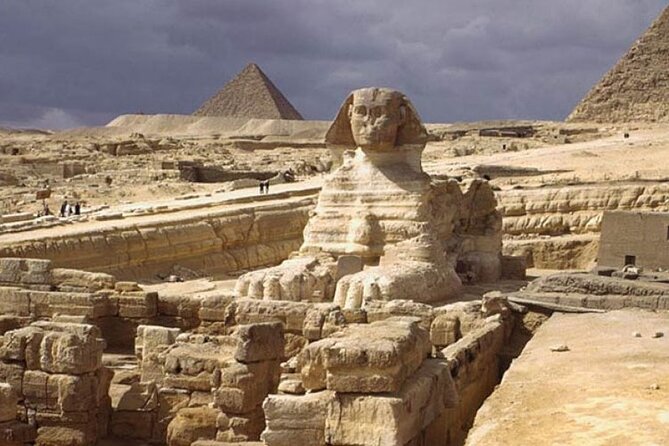
From Giza you head southwest toward Saqqara, about 27 km away. Saqqara is where the story feels more “ancient mechanics” than “perfect postcard.” Here the star is the Step Pyramid, built for King Zoser. This site is described as the world’s oldest major stone structure, and it matters because it represents an early stage in pyramid development—from simpler mastaba forms to something more recognizable as a pyramid.
You’ll also visit the Tombs of the Nobles in Saqqara. That’s a useful contrast to the giant royal monuments at Giza: the smaller scale gives you a better sense of how elites lived and how they prepared for the afterlife. Plan on another 2 hours here, again with admission tickets extra.
This stop is a big reason to choose a multi-site itinerary. If you only do Giza, you get the icons. If you add Saqqara, you understand how the icons came to exist.
Dahshur Red and Bent Pyramids: the older royal necropolis stop
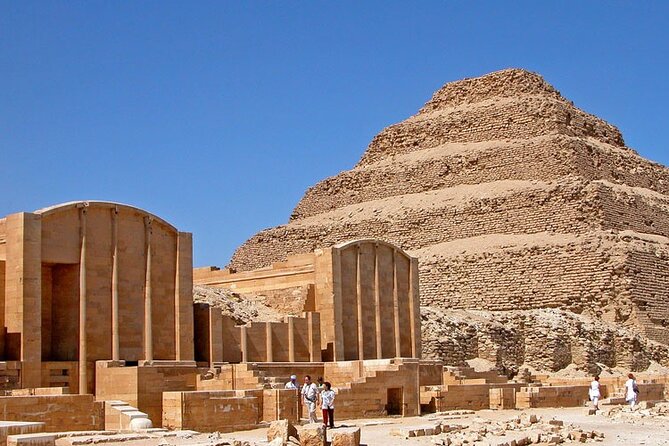
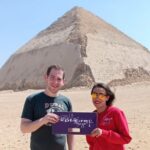
Next comes Dahshur, the royal necropolis on the west bank of the Nile, around 40 km south of Cairo. Dahshur is where you see two famous pyramids tied to King Snefru: the Red Pyramid and the Bent Pyramid. The descriptions emphasize that these are among the oldest, largest, and best preserved pyramids in Egypt, and that their construction dates sit roughly in the 2613–2589 BC range.
You’ll spend about 1 hour at Dahshur (admission tickets extra). That shorter time can feel like a sprint compared to Giza and Saqqara, but it also keeps the day from turning into a blur. The key is to focus: pick your best viewpoints, take a couple of good photos, and listen to the guide’s explanation of what makes Dahshur distinctive.
If you like the idea of history that’s slightly less predictable than the standard “top five,” this is one of the best parts of the itinerary.
Day 2: Egyptian Museum and the Tutankhamun exhibit
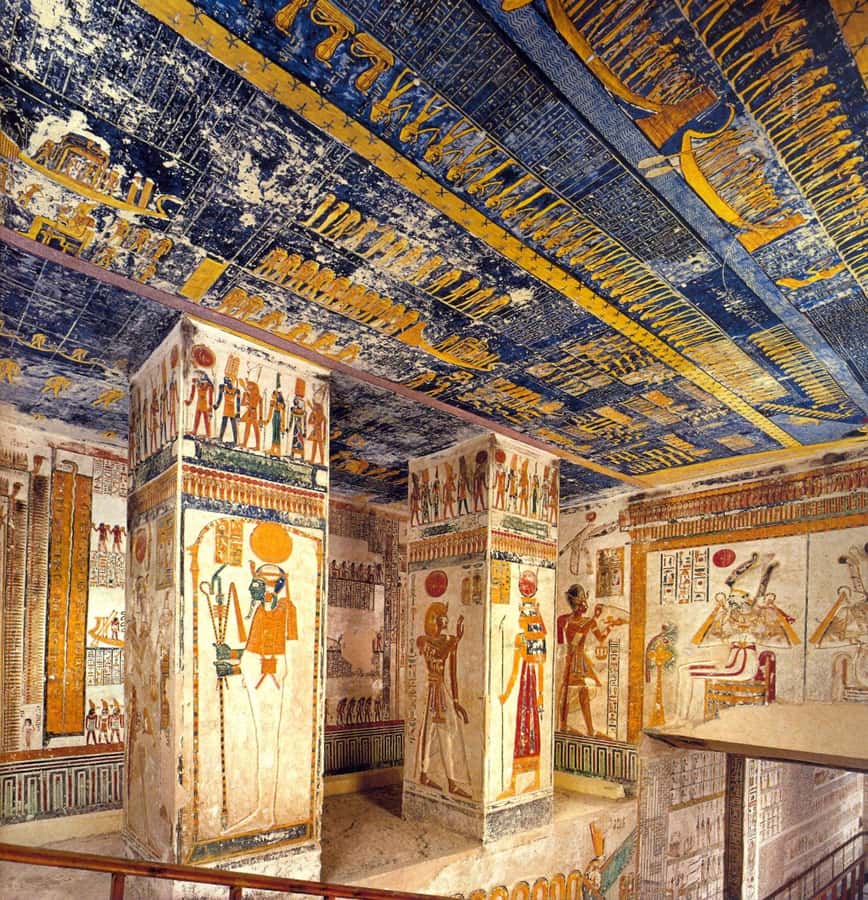
Day 2 begins with pickup from your lobby and heads to the Egyptian Museum of antiquities. This stop is built around the Tutankhamun exhibit, including his golden mask and a focus on New Kingdom royal mummies and artifacts. The museum experience here is described as moving through many rooms and galleries with thousands of pieces.
You’ll have about 2 hours (admission tickets extra). Museums can be exhausting, but this amount of time is enough to see the major highlights without losing your whole day in museum fatigue. I’d treat it like a guided priority list: look at what the guide points out first, then decide what you want to re-visit if you still have energy.
One advantage of doing this with a guide is that you’re not stuck staring at glass cases wondering what matters most. You get a better sense of why the Tutankhamun material is such a magnet, and how it fits into the broader New Kingdom story.
A few more Cairo tours and experiences worth a look





Citadel time: Mohammed Ali Mosque and the meaning of power
After the museum, you head to the Citadel of Salah El Din, located on Al Moqattam hill. The Citadel started as a military construction meant to protect Cairo from threats, and it later became a residence for Egyptian kings.
A major highlight in the itinerary is the Mohamed Ali Mosque, often called the Alabaster Mosque because of its light-colored look. The itinerary notes an important reality check: it is not currently opened for visits, so you should plan for viewing rather than interior wandering.
You’ll have about 1.5 hours here (admission tickets extra). The guide also covers the political story tied to the site, including the “Massacre of the Citadel” in 1811, when Mohammed Ali murdered Mameluke leaders in Qaser El Gawhara palace. That kind of context changes how you look at fortifications. Instead of thinking only about architecture, you start seeing how places hold power—and how power changes hands.
Khan al-Khalili: souq energy as your winding-down finale
The last stop is Khan al-Khalili, Cairo’s major historic-center souq. This is the moment to shift from monuments to everyday culture. The itinerary frames it as essential: colors, aromas, and the kind of browsing where the streets themselves feel like part of the attraction.
Time is about 1 hour, and the entrance is listed as free. This is a good length because it lets you wander and shop without turning the day into a long slog after museum and Citadel walking.
I like using a market stop as the finale because you’re not forced to “perform” sightseeing anymore. You can just experience Cairo in a looser way—snack, look around, and pick up small souvenirs if that’s your thing.
What the Egyptology guide actually changes for you
A private guide does more than recite facts. It helps you connect what you see in a short time. On this tour, that connection is built into the route.
On Day 1, the guide can explain why Giza’s giants are not the full story. Then Saqqara shows the early evolution through the Step Pyramid. Then Dahshur adds the royal necropolis angle with the Bent and Red Pyramids tied to Snefru. By the time you reach the museum on Day 2, the material culture inside makes more sense because you’ve already seen how monumental building and royal belief systems worked.
Also, because it is private, you are not stuck with a rigid group pace. You can ask questions if you want more detail, or you can keep moving if you want lighter commentary.
Vehicle comfort, pacing, and small practical wins
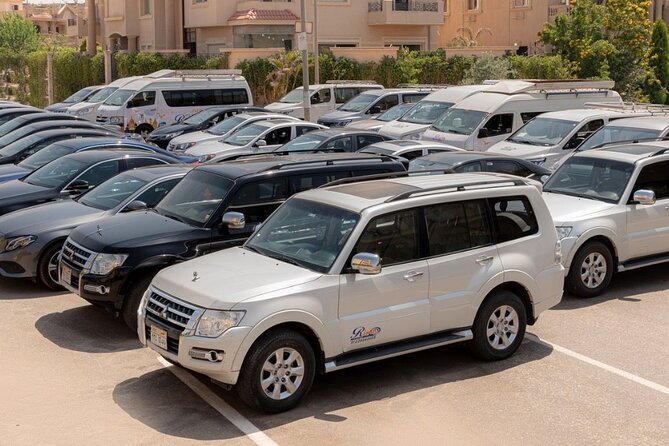
The tour includes pickup from your hotel using a private A.C. vehicle, plus return drop-off. You also get a bottle of water during the tour, and the description includes a mobile ticket and group discounts.
Two more practical notes matter in Cairo:
- You’ll be doing real walking at major sites. Shoes and sun protection help.
- Transfers between sites take time, so the order matters. This plan clusters sites by theme on Day 1 and keeps Day 2 more concentrated around indoor-and-historic stops.
The itinerary also says it is near public transportation and that most travelers can participate. If you’re planning around mobility, the tour description doesn’t specify special accommodations, so it’s smart to evaluate your own stamina for stairs, uneven terrain, and museum gallery floors.
Price and tickets: what you’re paying for (and what you still need to buy)
The tour price is $120 per person for about 2 days. That includes private pickup/drop-off, a professional English-speaking Egyptology guide, and bottled water. It also includes a private-tour setup where only your group participates.
Here’s the ticket reality: entrance fees are not included for Giza, Saqqara, Dahshur, the Egyptian Museum, and the Citadel. The listed fees are:
- Giza pyramids: $11.25
- Saqqara: $9.50
- Dahshour: $3.25
- Egyptian Museum: $9.50
- Citadel: $9.50
That adds up to about $43.00 per person in listed entrance fees, plus anything else you choose to add. Khan al-Khalili is listed as free.
So the overall value is strongest if you want a guided route that hits the big names without cobbling together separate tickets and transportation. If you already have plans to self-guide or you only care about one area, this might feel pricier once you add entrances. If you want the full two-day hit list with context, it starts to make sense.
Reliability and the one caution I’d take seriously
The overall review score is strong, and one highlight stands out: a driver named Hassaan is described as friendly, honest, good company, and even helpful with finding good-value restaurants during a multi-day stretch. That’s the kind of human touch that makes long travel days easier.
At the same time, there is at least one reported experience where a transport arrangement was canceled and it created real trouble for the traveler’s hotel and next day plans. I can’t say that will happen to you. But I do think it’s smart to keep your contact details handy and confirm pickup timing the day before—especially if your trip includes flight or tight hotel reservations.
Should you book this Giza and Cairo private tour?
Book it if you want:
- A structured two-day route covering Giza, Saqqara, Dahshur, and the Egyptian Museum without figuring it out yourself.
- Personal guide attention and explanations that connect sites across Egyptian history.
- Hotel pickup/drop-off with A.C. transport and bottled water to reduce friction.
Consider skipping or adjusting if:
- You don’t want to pay extra for separate entrance tickets.
- You’re not comfortable with a fast pace across multiple historic sites.
- You have very strict timing that leaves zero room for transport hiccups. This is where a flexible schedule helps.
FAQ
What is included in the tour price?
The tour includes hotel pickup and return by a private A.C. vehicle, a professional English-speaking Egyptology guide, and a bottle of water during the tour. It also lists pickup offered and a mobile ticket.
Are entrance fees included?
No. Entrance fees are listed as not included for the Giza pyramids, Saqqara, Dahshour, the Egyptian Museum, and the Citadel. Khan al-Khalili is listed as free.
How much are the entrance fees?
The listed entrance fees are $11.25 per person for Giza, $9.50 per person for Saqqara, $3.25 per person for Dahshour, $9.50 per person for the Egyptian Museum, and $9.50 per person for the Citadel.
Is this a private tour?
Yes. It is described as a private tour/activity, and only your group will participate.
Do you get airport pickup and drop-off?
Yes. The overview states there is a complementary free pick up and drop off at Cairo international airport.
Is lunch included?
The information is mixed: one part says lunch included, while another part says lunch is optional. I’d confirm what you’ll receive when booking.
What is the cancellation policy?
You can cancel for a full refund up to 24 hours in advance of the experience start time. If canceled due to poor weather, you’ll be offered a different date or a full refund.