REVIEW · CAIRO
2 days private tour all inclusive, Cairo and Giza attractions
Book on Viator →Operated by Guide Of Egypt Tours · Bookable on Viator
Cairo can feel like a lot at once. This tight private 2-day loop hits the big ancient icons and the city’s older faith districts without you wrestling logistics. I like that hotel pickup and drop-off keep you from getting stuck in Cairo navigation and taxi math, and I also like that lunch and entrance fees are handled for you. One thing to consider: you’re packing serious sight time into only two days, so expect early starts and long days.
The payoff is a smart mix of UNESCO “old and older” Cairo: the Giza area’s ancient desert monuments and Cairo’s medieval layers in the old town. You’ll move from the Pyramids and Sphinx to Saqqara, then into the Egyptian Museum, the Citadel, Coptic Cairo, and finally Khan El-Khalili.
This is a private format, so the pace is adjustable to your group and your guide can explain what you’re seeing in plain English. Based on past group experiences, guides such as Ali (and sometimes Tarik) focus on clarity, keep the day organized, and help you avoid common beginner confusion. If you’re traveling during hot months, the consistent “cool and calm” rhythm (plus AC on the vehicle) is a practical plus.
In This Review
- Key things I’d bank on before you book
- Two World Heritage Zones, One Stress-Free Schedule
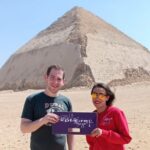
- Giza Pyramids, Sphinx, and Valley Temple: What 4 Hours Can Really Mean
- Saqqara Step Pyramid of Djoser: The “Other Pyramid Day” That Feels Smarter
- Egyptian Museum (3 Hours): How One Building Changes What You Think You Know
- Cairo Citadel and the Mohamed Ali Alabaster Mosque: Big Views, Big Feel
- Coptic Cairo Stops: Hanging Church, Ben Ezra Synagogue, and Stopping to Listen
- Khan El-Khalili in One Hour: A Bazaar Visit That Doesn’t Turn Into a Trap
- Price and Inclusions: When $200 Per Person Feels Like Good Deal Money
- Who This Private Cairo and Giza Tour Suits Best
- Book It or Skip It: My Decision Guide
- FAQ
- What’s included in the private 2-day tour?
- What are the main attractions on day 1?
- What are the main attractions on day 2?
- How long is the tour?
- Do I need to pay entrance fees separately?
- Is lunch included?
- Is tipping included in the price?
- Is there an extra fee for hotel pickup outside central areas?
Key things I’d bank on before you book
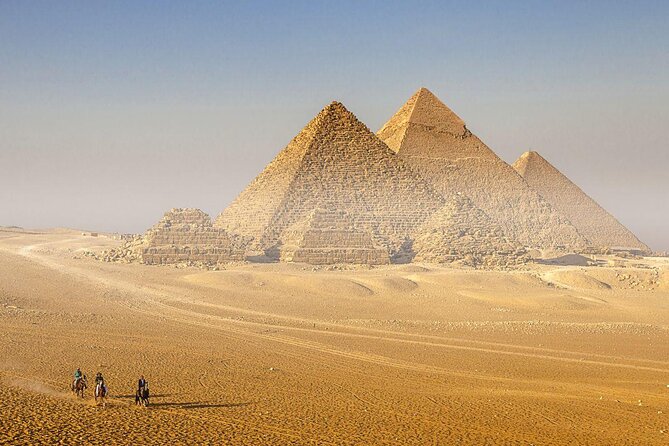
- Two UNESCO zones in one schedule: Giza’s ancient desert monuments plus Cairo’s medieval old town vibe.
- Real time at the big stops: 4 hours at Giza, 2 at Saqqara, 3 at the Egyptian Museum, and 1 hour at Khan El-Khalili.
- Inclusions that cut friction: private transport, a private Egyptologist guide, entrance fees, two lunches, and water.
- Coptic Cairo with context: Hanging Church and other key churches plus the Ben Ezra Synagogue stop.
- Private, not chaotic: you get your own group, so you can ask questions without waiting your turn.
- Past groups report smooth coordination: guides like Ali and drivers like Medo have helped keep even larger groups on time.
Two World Heritage Zones, One Stress-Free Schedule
Cairo is famous for being busy. This tour is designed to reduce the chaos by bundling the major areas into a two-day plan with direct pickup and drop-off.
Instead of you chasing tickets, entrances, and the right order of sights, you get a set route with guided time at each location. That matters because Cairo’s traffic and check-in lines can eat your day fast. When you only have 48 hours, structure is not a luxury—it’s the whole point.
You’re also not stuck doing all “one kind” of tourism. You’ll see the ancient royal world (Pyramids, Step Pyramid, royal artifacts) and then switch to the medieval streets and religious landmarks in Cairo’s older districts. It’s the contrast that makes this itinerary feel like more than a highlight list.
You can also read our reviews of more private tours in Cairo


Giza Pyramids, Sphinx, and Valley Temple: What 4 Hours Can Really Mean
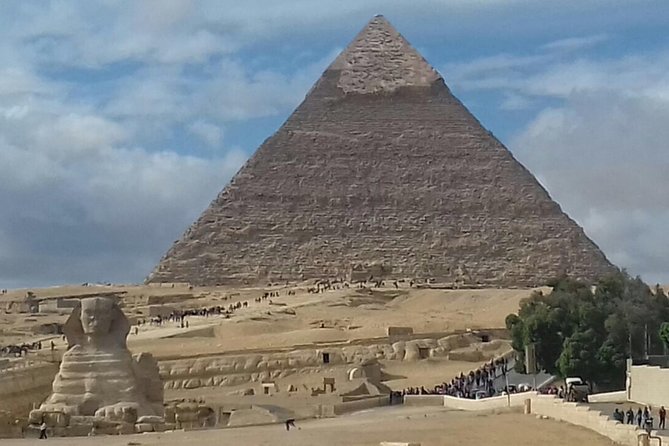
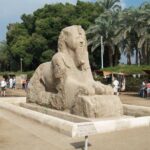
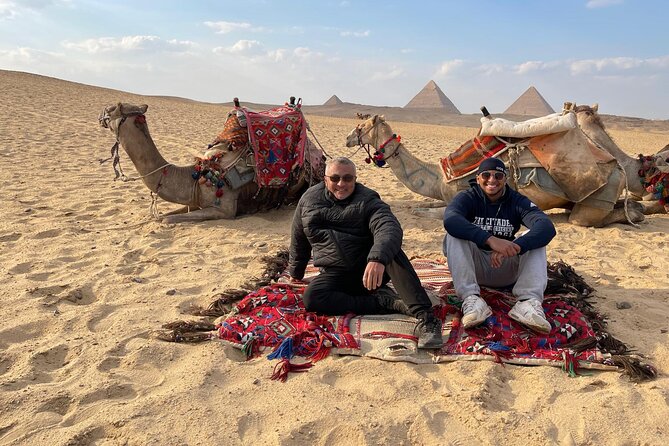
At the Pyramids of Giza, you’ll cover the major pyramid names—Cheops, Chephren, and Mykerinus—plus time with the Great Sphinx. The plan also includes the Valley Temple, which is one of those stops people skip when they’re rushing for photos.
Here’s why that extra time helps you: the Pyramids are best understood when you can look at the whole setting, not just individual monuments. A good guide can explain how these sites connect and what the valley areas were for, and that’s exactly where a private setup shines. You’ll have time to slow down enough to grasp the layout.
One practical note: Giza is crowded and sun can be intense. Since your time there is about 4 hours, wear comfortable shoes and plan for breaks. If you’re the kind of visitor who wants to ask a lot of questions, you’ll still have room—but it will make the heat management more important.
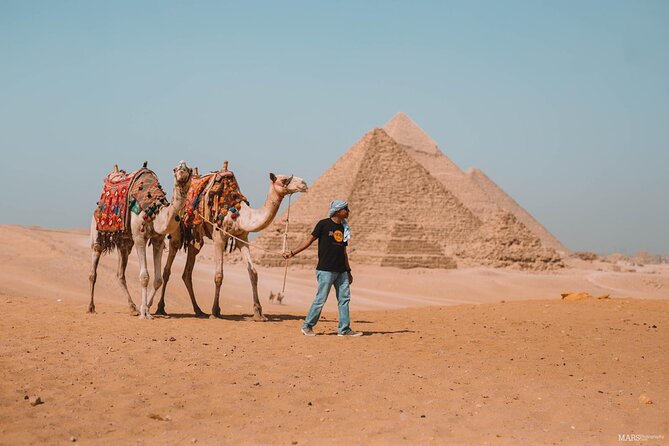
Based on real-world feedback from past groups, the tour experience is usually well-run, with a clean, cool vehicle and clear guidance. You may even have the chance to add an optional detail like camel riding or entering a pyramid, but that part isn’t guaranteed in the standard description you have here—so ask your guide what’s possible on your date.
Saqqara Step Pyramid of Djoser: The “Other Pyramid Day” That Feels Smarter
Saqqara is where your brain starts to connect the dots. You’ll visit the Step Pyramid of Djoser, described as the world’s oldest major stone structure, built in Egypt’s 3rd Dynasty.
This is a great second-day anchor because it reframes the story. Instead of only seeing the fully developed pyramid shape at Giza, you see the earlier step approach—the kind of architectural leap that turns a photo stop into an actual understanding stop.
Your Saqqara time is about 2 hours, which is enough to focus on the big centerpiece without turning it into a marathon. You’ll likely get a clearer sense of why Saqqara mattered beyond one monument—this area is essentially a vast “city of the dead” zone.
The main caution is pacing. If you’re also planning any optional additions around this area, don’t stack too much. Two hours at Saqqara works best when you keep some energy for questions and walking rather than treating it like a speed-run.
Egyptian Museum (3 Hours): How One Building Changes What You Think You Know

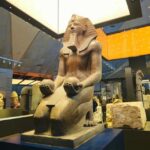
Day 2 starts with the Museum of Egyptian Antiquities, commonly referred to as the Egyptian Museum. Expect about 3 hours here, and yes, it can feel like the building never runs out of objects.
The highlights in your tour include the museum’s extremely large collection of Egyptian art spanning thousands of years. You’ll also see a dedicated Tutankhamen treasure-focused display—treasures, gold, and jewelry connected to his tomb, which was discovered in the 1920s.
What I like about doing the museum on day 2 is simple. After the pyramids and Saqqara, you can absorb the museum like a translator. The guide can connect tomb life, royal power, and burial ideas to what you saw outside. That makes the museum stop feel less like standing in rooms and more like getting a coherent story.
A realistic tip: museums can drain you. Bring water (you’ll have water each day), take short breaks, and focus on the areas your guide points out. With only 3 hours, you’ll get more satisfaction by doing fewer things carefully rather than trying to sprint through everything.
Also, based on past group experiences, English guidance at the museum is typically clear, which helps a lot if you want context rather than just “look at this artifact.”
Cairo Citadel and the Mohamed Ali Alabaster Mosque: Big Views, Big Feel
Next up is the Cairo Citadel, and inside it you’ll visit the Mohamed Ali Alabaster Mosque (inside the Citadel of Salah El Din). This stop takes about 2 hours, which is a good match for both walking and explanation.
Why this works: the Citadel area gives you a sense of Cairo’s layout and how the city’s power centers were positioned. Even if you’re not a “views person,” being above street level helps you understand what’s where.
The alabaster mosque is a standout because it brings a different kind of artistry into the mix. You’re not just seeing ancient Egypt anymore—you’re seeing Cairo’s later monumental religious architecture, right in the middle of the city’s changing history.
Practical consideration: this is still Cairo. Heat, walking, and crowds can show up. If you’re sensitive to sun, plan a water break and pace yourself. A private guide helps here because they can steer you through the most efficient routes so you spend more time looking and less time backtracking.
A few more Cairo tours and experiences worth a look





Coptic Cairo Stops: Hanging Church, Ben Ezra Synagogue, and Stopping to Listen
Coptic Cairo is one of the most meaningful parts of the tour because it adds living history, not just archaeology. You’ll visit multiple landmarks in about 2 hours, including:
- the Hanging Church
- the Ben Ezra Synagogue
- Church of St. Barbara
- Church of Abu Serga
This cluster works because it’s concentrated. You can move from one site to the next without losing the thread of what you’re seeing. With a good guide, you’ll also learn how these places fit into the story of Cairo’s older communities.
The Hanging Church is often a “wow” stop for first-timers, but the value here is not only the wow. It’s the chance to compare architecture and religious spaces side-by-side in the same neighborhood. The Ben Ezra Synagogue stop also broadens your understanding beyond Christian landmarks, which keeps the day from feeling one-note.
What to watch for: religious sites usually have dress rules and quiet expectations. Even if your tour description doesn’t spell those out, plan to dress respectfully and be ready to slow down. This is one of those segments where good time management is as important as the photos.
Khan El-Khalili in One Hour: A Bazaar Visit That Doesn’t Turn Into a Trap
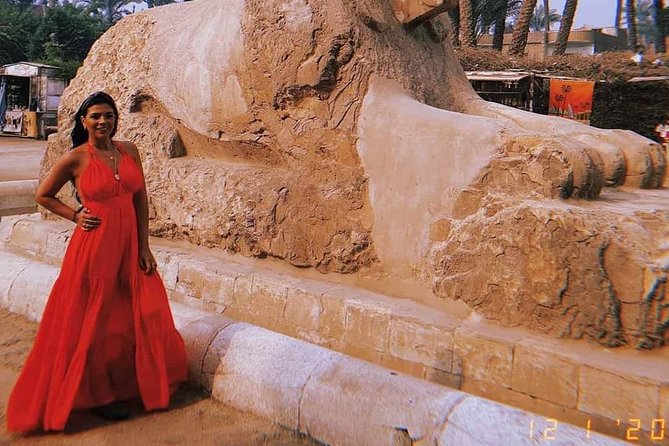
Your final stop is Khan El-Khalili, Cairo’s old bazaar district, for about 1 hour. The markets here are known for brassware, copper, perfumes, leather goods, silver and gold, antiques, and more.
One hour is short. That’s actually a good thing if you treat it like a focused browse instead of a full shopping expedition. Your guide’s job is to help you see what’s where quickly and make the area feel navigable.
Here’s how to make this segment work for you:
- pick 1–2 categories you want to look for (like perfumes or brass)
- set a rough price range before you start bargaining
- don’t commit to the first stall you like
You’ll get the atmosphere without the hours-long fatigue that can come from bazaar wandering. If you want to buy something, do it at the end of your hour so you’ve seen enough to compare.
Price and Inclusions: When $200 Per Person Feels Like Good Deal Money

At $200 per person for a roughly 2-day private tour, the value depends on what you’d otherwise pay for yourself. This plan bundles the big budget items you’d normally have to manage separately:
- pickup and drop-off
- private transportation
- a private Egyptologist guide
- entrance fees
- two lunches
- a bottle of water each day
That combination matters because Cairo costs show up in layers. Entrance fees and guide fees add up quickly, and without a plan you can waste hours on logistics. This tour tries to protect your time and simplify your spending.
The one extra cost to keep in your head is pickup from certain areas: if you need airport hotels / New Cairo and 5th Settlement, it says there’s an extra $10 per person. That’s the main “gotcha” to confirm early.
Also, tipping isn’t included. Tipping is common in Egypt-based service work, but it’s not listed as part of the package—so plan for it in your real travel budget.
Who This Private Cairo and Giza Tour Suits Best
This is a strong fit if you:
- want maximum sights with minimal planning stress
- prefer a guide who can explain what you’re seeing, not just point
- are on a first trip and want the clearest intro to Giza, Saqqara, Cairo’s museum world, and Coptic Cairo
- value safety and coordination, especially in heavy-traffic Cairo
It’s also a decent choice for groups because private organization keeps things smoother. Past experiences with guides such as Ali, and drivers like Medo, emphasize coordination and keeping the schedule moving—even when the group is larger than usual.
If you’re a slow traveler who hates early mornings or hates crowds, you might find the packed schedule a bit intense. In that case, you could still enjoy the tour, but you’ll want to be honest with yourself about pace and heat.
Book It or Skip It: My Decision Guide
I’d book this tour if you want your Cairo/Giza time to feel efficient, guided, and inclusive. The inclusion list is what sells it: entrance fees, two lunches, private transport, and an Egyptologist guide means you’re not constantly doing math and re-planning.
I’d hesitate if you already know you want a very relaxed pace, or if you’re aiming to spend long hours only on one site. With 4 hours at Giza, 2 at Saqqara, 3 at the museum, and then the city stops, you will be moving. This is a “see a lot, learn a lot” style tour.
If you’re choosing between booking and building your own schedule, this is the safer bet for time and sanity. Especially if it’s your first trip, you’ll get your bearings fast and avoid the classic Cairo beginner friction.
FAQ
What’s included in the private 2-day tour?
The tour includes pickup and drop-off, entrance fees for all listed sites, private transportation, a private Egyptologist guide, water during your trip each day, and lunch (2).
What are the main attractions on day 1?
Day 1 includes the Pyramids of Giza (Cheops, Chephren, Mykerinus), the Great Sphinx, and the Valley Temple, plus the Step Pyramid of Djoser at Saqqara.
What are the main attractions on day 2?
Day 2 includes the Museum of Egyptian Antiquities, the Cairo Citadel including the Mohamed Ali Alabaster Mosque, Coptic Cairo highlights (Hanging Church, Ben Ezra Synagogue, Church of St. Barbara, Church of Abu Serga), and Khan El-Khalili.
How long is the tour?
It’s listed as approximately 2 days.
Do I need to pay entrance fees separately?
No. Entrance fees for the mentioned sites are included.
Is lunch included?
Yes. Lunch is included for both days.
Is tipping included in the price?
No. Tipping is not included.
Is there an extra fee for hotel pickup outside central areas?
Yes. Airport hotels and hotels in New Cairo and 5th Settlement require an extra $10 per person for pickup and drop-off.
If you tell me your hotel area in Cairo (and your travel month), I can help you judge whether the pace fits you and what to watch for on the ground.