REVIEW · CAIRO
10 Days Egypt excursions
Book on Viator →Operated by Khaled Abbass Tour Guide · Bookable on Viator
Pyramids, temples, and a train that saves time. This 10-day Egypt route links Cairo, Aswan, and Luxor with Khaled Abbass guiding you through the big sights and the in-between travel. You get a private Egyptologist guide, hotel pickup, and museum + temple entries built into the flow.
I especially like two things. First, the Great Pyramid inside visit plus the Egyptian Museum stop, including the mummy room, gives you more than just photos. Second, I like that round-trip sleeper trains help you cover long distances without eating an extra full day in transit.
The main drawback is pacing. You’ll move every day, and Abu Simbel is a long day drive, so if you want slow travel with lots of downtime, this might feel intense.
In This Review
- Key highlights you should care about
- Meeting Khaled Abbass in Cairo: a smooth start, not a scramble
- Giza Pyramids and the Egyptian Museum: the order that actually helps
- Touring Cheops, Chephren, Mykerinus (and going inside)
- Egyptian Museum: Tutankhamun’s world, plus mummies
- Practical day-end move: train to Aswan
- Sleeper train Cairo ↔ Aswan: a classic trick for distance
- Aswan in three layers: High Dam, Philae Temple, and the Unfinished Obelisk
- Abu Simbel: why that long drive can feel worth it
- Kom Ombo and Edfu: temples that feel built for details
- Luxor West Bank: Valley of the Kings and Hatshepsut’s statement
- Karnak and Luxor Temple: finishing Luxor with big scale
- Cairo after temples: Citadel, Alabaster Mosque, and Coptic Cairo
- Khan Al-Khalili: use it for wandering and haggling, not shopping pressure
- Dahshur and Saqqara: the pyramid story beyond the headline
- Day 10 downtown Cairo: breathing room before the flight
- Price and logistics: what $1,657.15 buys you (and what it doesn’t)
- Who this tour fits best
- Should you book this 10-day Egypt excursion?
- FAQ
- What cities and regions does this tour cover?
- Is hotel accommodation included?
- Are entrance fees included, including the Great Pyramid?
- Does the itinerary include museum entry for mummies?
- Are sleeper trains included?
- Is lunch or dinner included?
- Can I cancel for a refund?
Key highlights you should care about
- Khaled Abbass as your private Egyptologist guide, with smooth coordination from airport to departures
- Inside the Great Pyramid and Egyptian Museum access, including the mummy room
- Sleeper trains Cairo ↔ Aswan and Luxor → Cairo, used as a practical time-saver
- Abu Simbel day trip from Aswan by private air-conditioned vehicle (long, but structured)
- Luxor West Bank classics: Valley of the Kings and Hatshepsut at Deir el Bahari
- Dahshur + Saqqara for a wider pyramid story beyond Giza
Meeting Khaled Abbass in Cairo: a smooth start, not a scramble
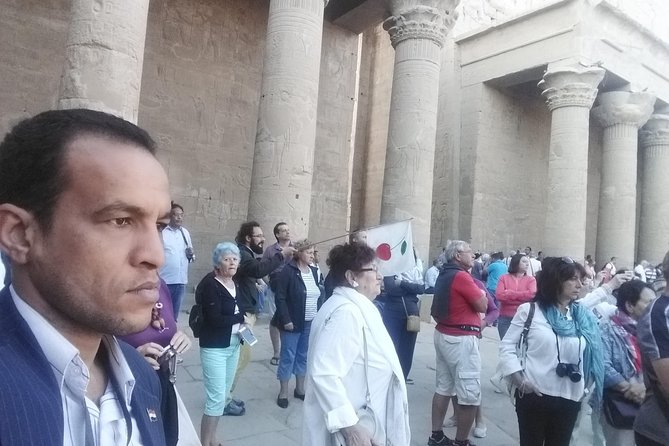
Day 1 is all about getting you settled. You’re met at Cairo International Airport for arrival procedures, then taken to your hotel in a private air-conditioned vehicle. At check-in, you review your holiday itinerary and confirm pick-up times for the next tours.
I like this approach because it cuts the usual Egypt stress. Even before you see a single pyramid, you’re already oriented: where you’ll go, when you’ll go, and who you’ll meet. It’s also a nice touch that your guide in Cairo is Khaled Abbass Tour Guide, so you’re not switching guides midstream.
You should note the tour starts at 8:00 am, so mornings will be efficient. If you hate early starts, plan your sleep accordingly.
You can also read our reviews of more tours and experiences in Cairo.
Giza Pyramids and the Egyptian Museum: the order that actually helps
Day 2 packs two of the most important stops in Egypt: the Giza pyramid complex and the Egyptian Museum.
Touring Cheops, Chephren, Mykerinus (and going inside)
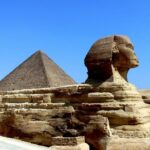
You’re picked up from your hotel, then taken for a pyramid tour of Cheops, Chephren, and Mykerinus. The standout is that your visit includes going inside the Great Pyramid. After that, you continue to the Great Sphinx (associated with the time of Chephren) and the Valley Temple connected to the pyramid complex.
Going inside changes the experience. Outside, you measure the scale. Inside, you feel the stone, the narrow passages, and the engineering choices in a way that photos can’t replicate.
Egyptian Museum: Tutankhamun’s world, plus mummies
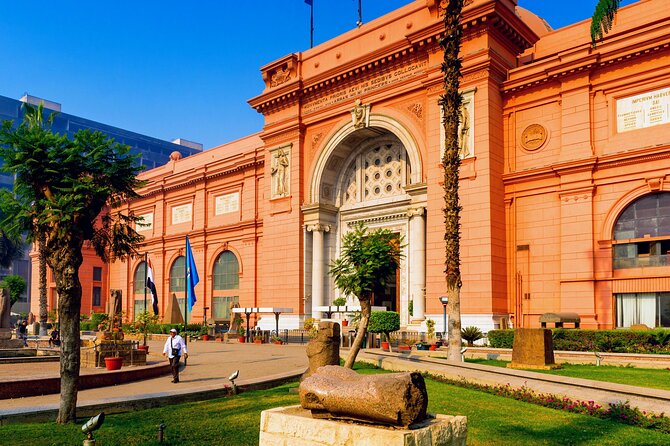
Then you move to the Egyptian Museum for an organized look at Pharaonic artifacts, including the rare collection of Egyptian art often described as one of the largest and most precious in the world. Your museum time also includes a dedicated exhibit tied to Tutankhamen’s treasure and the tomb items discovered in the 1920s. You also get entry to the mummies room.
If you’re the type who likes context, this stop helps you connect names you’ll hear across the rest of the trip—rulers, tombs, and why these monuments matter.
Practical day-end move: train to Aswan
By the end of the day, you’re escorted to Giza train station for departure to Aswan by sleeper train. Dinner is served on board, and you overnight during the trip. It’s a clever swap: instead of adding a night in transit by road, you sleep and arrive ready.


Sleeper train Cairo ↔ Aswan: a classic trick for distance
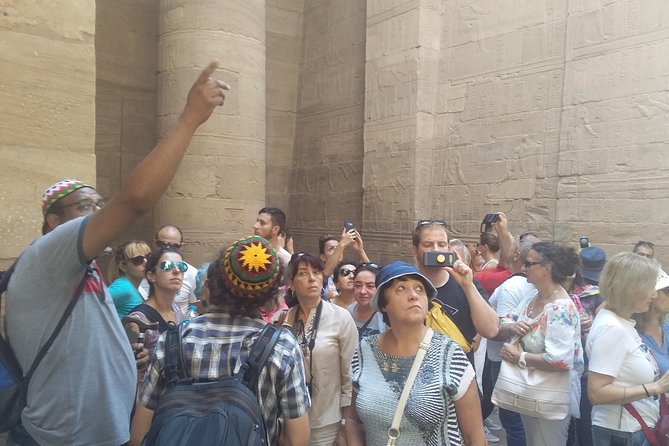
This itinerary uses sleeper trains twice. On Day 2, you go Cairo/Giza to Aswan. On Day 7, you do Luxor back to Cairo.
The value here is simple. Egypt’s major sites are far apart, and a sleeper train makes that distance feel less like a “wasted travel day.” You keep momentum while still getting rest.
I also like that it reduces decision-making. You don’t need to figure out schedules, stations, or timing on the fly. Your guide handles the handoff, and you roll into Aswan ready for monuments instead of logistics.
Aswan in three layers: High Dam, Philae Temple, and the Unfinished Obelisk
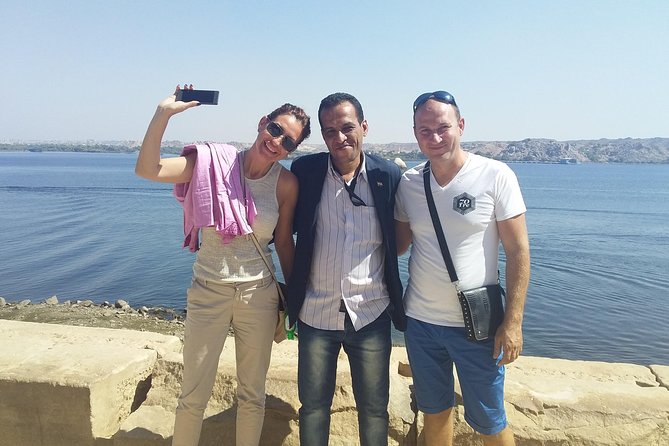
Day 3 is a strong Aswan introduction. First up is the Aswan High Dam, with time to understand how it was built until it opened in the 1970s. This matters because it frames modern Egypt beside the ancient world you’ve just seen in Cairo.
Next you visit Philae Temple. It’s devoted to Goddess Isis, and it’s built on an island theme. Even if you’re not a “temple person,” this is one of those places where the setting makes the architecture feel purposeful.
Then you end with the Unfinished Obelisk. It shows ancient techniques used to cut obelisks. The tour also points out how some scholars connect this unfinished stone to rulers such as Queen Hatshepsut, and there are other opinions about Nefertiti. Whether you take those theories literally or not, the takeaway is clear: you’re seeing the process, not just the finished monument.
Abu Simbel: why that long drive can feel worth it
On Day 4, you’ll start with breakfast in Aswan, then travel to Abu Simbel by private air-conditioned vehicle. The drive is about 3.5 hours one way, so yes—this is the day where you feel the distance.
You still get a full, guided Abu Simbel visit. You’ll see the Temple of Ramses II and then the Temple of Queen Nefertari, also known as the Hathor Temple.
Why I like this stop in a guided format: Abu Simbel is famous, but without context it can turn into “big rocks with carvings.” With a guide like Khaled Abbass, the story and symbolism help the carvings make sense. Also, your day doesn’t end at the temple—you return to your hotel in Aswan the same day.
Kom Ombo and Edfu: temples that feel built for details
Day 5 moves south again through temple country. After breakfast, you head to Kom Ombo for Kom Ombo Temple, dedicated to the God Sobek and Haroeris. This stop is shorter than the Luxor giants, but it’s focused.
Then you drive to Edfu to visit the Temple of Horus, described here as the most complete temple and the second largest in Egypt. From Edfu, you continue your journey to Luxor.
This part of the route is useful if you want variety. Cairo gives you pyramids and museums. Luxor gives you major temples and tomb traditions. Kom Ombo and Edfu sit in between, with distinctive religious themes and a sense of “temple engineering” you can compare across regions.
Luxor West Bank: Valley of the Kings and Hatshepsut’s statement
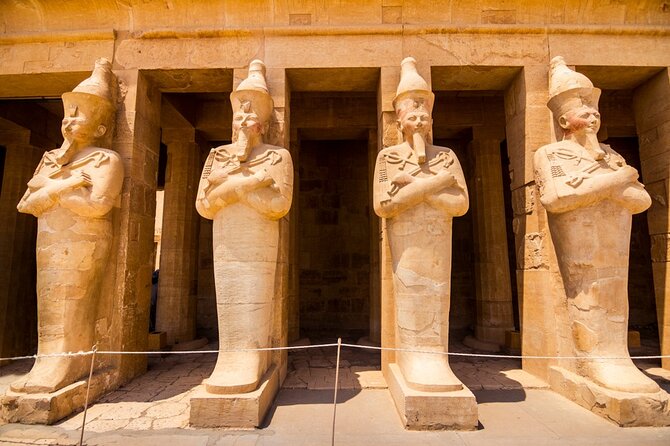
Day 6 is Luxor’s West Bank day. You start with the Valley of the Kings, including tombs associated with kings such as Tutmosis I, Tutmosis III, Tut-Ankh-Amon, Ramses VI, Merenptah, and Amonhotep II. Even with only a portion of those tomb stories, the valley layout makes burial geography click.
Next you visit the Temple of Hatshepsut at Deir el Bahari. The tour highlights Hatshepsut as the only pharaonic woman who ruled ancient Egypt, and notes the temple’s origin tied to her reign in the 18th Dynasty (around 1490–1469 B.C).
You also pass by the Colossi of Memnon, remains of the mortuary temple of Amenhotep III. Then you drive back toward the east bank of Luxor and your hotel.
Tip for this day: wear shoes you trust and expect stairs and uneven stone. West Bank sites are real archaeology, not polished museum floors.
Karnak and Luxor Temple: finishing Luxor with big scale
Day 7 is all about the temple giants. First is Karnak Temples, dedicated to the God Amon, his wife Mut, and their son Khonsu. This is where scale becomes the main event. Then you move to Luxor Temple, built in the 18th Dynasty by Amenhotep III and completed by Ramesses II in the 19th Dynasty.
After Luxor Temple, you head to the Luxor train station for a sleeper train back to Cairo. Dinner is served on board, and you overnight.
I like this pairing because it closes your Luxor chapter from two angles. Karnak sets the religious stage. Luxor Temple feels like the finish line—especially when you’ve spent the day on the West Bank’s tomb world.
Cairo after temples: Citadel, Alabaster Mosque, and Coptic Cairo
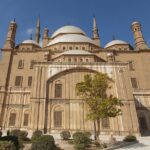
Day 8 brings you back to Cairo with a different kind of sightseeing rhythm. First is the Salah Aldin Citadel area, including the Alabaster Mosque of Mohamed Ali, described here as the largest Ottoman mosque from the first half of the 19th century.
After lunch at a local restaurant, you tour Coptic Cairo. This includes the Hanging Church and the Church of St. George the Martyr, plus churches built into the walls of the Fort of Babylon. The tour also visits the Church of Abu Serga (St. Sergius), connected to the tradition that the Holy Family took shelter in a cave.
This isn’t just “more churches.” It’s another Cairo layer, showing how different communities shaped the city over centuries.
Khan Al-Khalili: use it for wandering and haggling, not shopping pressure
Later on Day 8, you stop at Khan Al-Khalili, the old market of Cairo. The tour frames it as a chance to test your haggling skills before you’re driven back to your hotel.
Even if you’re not buying much, Khan el-Khalili is useful for the way it teaches you how the market feels. You’ll get a sense of how locals navigate bargains and how vendors talk shop.
If you’re sensitive to bargaining stress, decide your maximum price before you enter. It keeps you in control.
Dahshur and Saqqara: the pyramid story beyond the headline
Day 9 is your second pyramid day, and it’s a smart one. You head south toward Dahshur for the Great Pyramid tour of the Red Pyramid and the Bent Pyramid. Dahshur is described as a royal necropolis holding pyramids connected to King Snefru, and it’s about 40 km from Cairo.
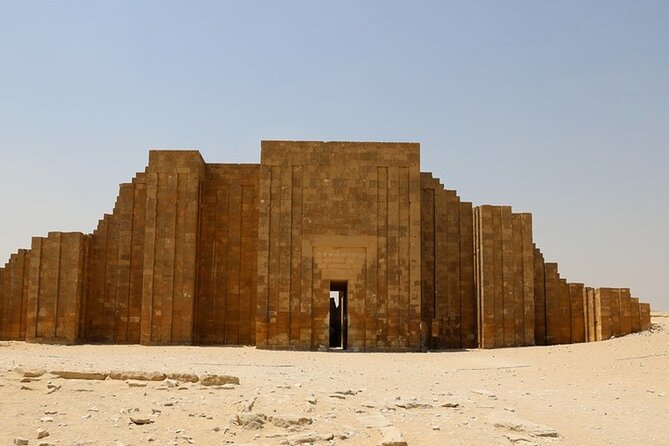
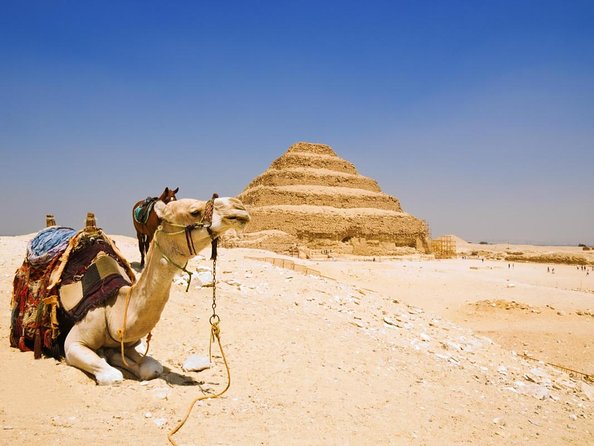
You then visit the Step Pyramid of Zoser (Djoser), highlighted as the world’s oldest major stone structure, built for King Djoser in the 3rd Dynasty.
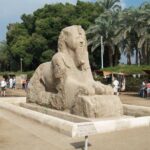
After lunch at a local restaurant, you shift to Memphis and Saqqara. You’ll see the Statue of Ramses II and the Alabaster Sphinx of Memphis.
Why I like this day: it prevents your trip from becoming only Giza. You see different stages and styles in Egypt’s pyramid evolution, plus you get Old Kingdom context through Memphis and Saqqara.
Day 10 downtown Cairo: breathing room before the flight
Day 10 ends with a free city tour of Cairo downtown. It’s built for local life rather than “ticketed monuments.” After that, you’re picked up and dropped off at Cairo International Airport for departure.
This last day is more than filler. It helps you absorb what you’ve seen across the week and gives you time to do small purchases, quick photos, or just watch the city move.
Price and logistics: what $1,657.15 buys you (and what it doesn’t)
At $1,657.15 per person for 10 days, this is not a budget backpack plan. But it targets value in the right places: transportation, guide time, and major entries.
Included highlights you should feel good about:
- Private air-conditioned transfers and hotel pickup/return
- Private English-speaking Egyptologist guide (Khaled Abbass)
- Entrance fees to the sites listed, plus inside the Great Pyramid and entry to the mummy room
- Lunch at local restaurants and several meals (breakfasts (2), lunches (3), dinner (2))
- Free Egyptian SIM card
- Round-trip sleeper train tickets for Cairo/Aswan and Luxor/Cairo
- Mobile ticket access and taxes/service charges
What’s not included:
- Hotels (you’ll book your own lodging)
- Egypt entry visa
- Tipping
For value-minded travelers, the big win is that you’re paying for less friction. The tour is set up so you don’t spend vacation time coordinating tickets, crossing multiple cities, and guessing routes.
Who this tour fits best
This itinerary is ideal if you want:
- A guided experience through the top ancient sites without planning each day
- A mix of major monuments (Giza, Abu Simbel, Karnak) and supporting stops (Unfinished Obelisk, Kom Ombo, Edfu)
- Efficient long-distance travel via sleeper trains
- A guide who keeps the pace friendly and the information clear, especially in the temples and museum sections
It may be less ideal if:
- You prefer slow days, lots of independent wandering, and minimal schedules
- You don’t like early starts (the tour start time is 8:00 am)
Should you book this 10-day Egypt excursion?
If you want Egypt’s highlights with less stress, I think this is a smart choice. You get a private guide, major entries (including the Great Pyramid interior), and a route that reaches Abu Simbel without turning the trip into a logistics headache.
Book it if you like structured sightseeing and you’re ready for some travel intensity. Skip it if your dream trip is mostly unplanned and relaxed. Either way, do yourself a favor: wear comfortable shoes and bring patience—Egypt rewards both.
FAQ
What cities and regions does this tour cover?
You’ll be based in Cairo and Luxor, and you’ll also visit Aswan, Abu Simbel, Giza, Kom Ombo, Edfu, Dahshur, Memphis, and Saqqara.
Is hotel accommodation included?
No. Hotels are not included, so you’ll need to book your own lodging.
Are entrance fees included, including the Great Pyramid?
Yes. Entrance fees are included for the mentioned sites, and the tour includes fees to go inside the Great Pyramid.
Does the itinerary include museum entry for mummies?
Yes. Admission fees include entry to the room of Mummies in the Egyptian Museum.
Are sleeper trains included?
Yes. Round trip sleeper train tickets are included for Cairo to Aswan and Luxor to Cairo.
Is lunch or dinner included?
Yes. Lunch is included at local restaurants, and the tour includes breakfasts (2), lunches (3), and dinners (2).
Can I cancel for a refund?
You can cancel up to 6 days in advance of the experience for a full refund. If you cancel 2–6 days before, the refund is 50%. Less than 2 days before the start time is not refundable.