REVIEW · SHARM EL SHEIKH
Sunrise at Mt.Sinai and St.Catherine monastery. Entrance included
Book on Viator →Operated by Cleotours Egypt · Bookable on Viator
Waking up on Sinai takes effort. This is one of those trips where the big payoff is sunrise from the summit—after a night climb tied to the Ten Commandments story, followed by a visit to St. Catherine’s Monastery.
I also like that the mountain portion is guided in a real, practical way, not just a “walk and good luck” situation.
The second thing I really like is the value: entrance fees and hotel pickup/drop-off are included in the ticket price. That matters because you’re on a tight schedule in the dark, and you don’t want to waste time sorting cash at gates.
One consideration before you book: this is a tough, cold, steep hike. Even with regular breaks, you’re dealing with darkness, altitude, and a final push with big stairs—so it’s not a casual stroll.
In This Review
- Key things that make this trip worth it
- Mount Sinai sunrise: the part that changes your whole mood
- Price and what $48 really buys you
- Pickup, night driving, and the real start time
- The climb: steep grades, cold air, and why the last stairs feel personal
- Weather can flip the script
- Sunrise at the top: how to actually enjoy it once you’re there
- St. Catherine’s Monastery: short time, calmer feeling
- Guides and group size: what “max 18” changes
- Food, drinks, and the costs you’ll meet along the way
- Who should book this, and who should skip it
- Should you book Sunrise at Mt. Sinai and St. Catherine’s Monastery?
- FAQ
- What time does the tour start?
- How long is the tour?
- Is hotel pickup and drop-off included?
- Are entrance fees included?
- Is a camel ride included?
- How physically demanding is the hike?
- What should I pack for the summit?
- Is there luggage space on the transport?
- What happens if the tour is canceled due to weather?
- What is the cancellation window for a full refund?
Key things that make this trip worth it
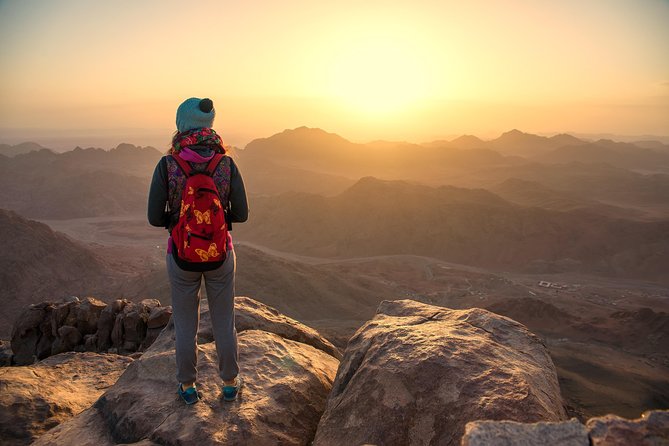
- Sunrise is the whole point: you climb at night so you can reach the top before first light.
- A Bedouin guide is included during the climb, which helps you keep moving at a steady pace.
- St. Catherine’s Monastery visit comes right after sunrise, so the spiritual payoff continues at the mountain’s foot.
- Optional camel rides can reduce strain, but the final stair section still requires walking.
- Cold-weather prep is essential: gloves, warm layers, and planning for wind matter more than you think.
- Max group size is capped at 18, which usually keeps things from feeling chaotic.
Mount Sinai sunrise: the part that changes your whole mood
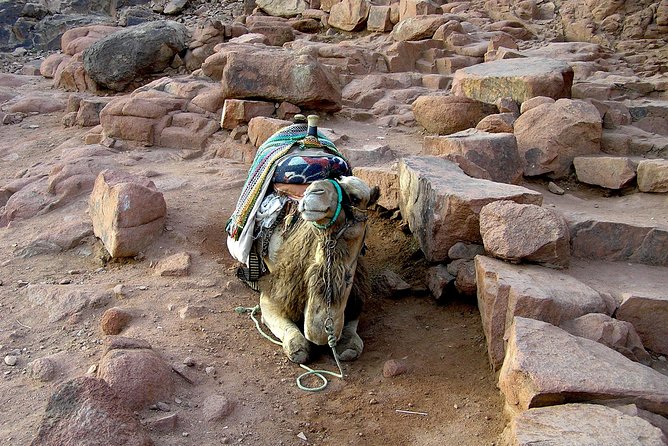
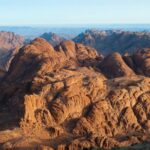
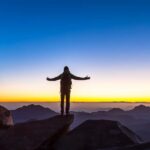
If you want an easy checklist trip, this isn’t it. You’re doing a night ascent up Mount Sinai (roughly 2,285 meters), and the reward is first light over a stark desert mountain range. In the dark, you’re mostly thinking about footing and breath. Once you’re up top, your brain catches up—and the quiet makes it feel bigger than a photo.
You’re also connecting the climb to the place tied to Moses and the Ten Commandments story. Even if you’re not traveling for religion, that sense of “standing where history gets repeated” lands hard when you’re surrounded by early morning sky.
The monastery stop is shorter, but it works as a follow-up. You go from “high and exposed” to a more grounded, human-scale setting at the foot of the mountain.
A few more Sharm el Sheikh tours and experiences worth a look
Price and what $48 really buys you
At $48 per person, this tour is priced like a budget sunrise hike, not a premium private expedition. The key value is that you’re not paying extra for the basics: hotel pickup and drop-off, air-conditioned transport, a Bedouin guide for the climb, and entrance fees are included.
What’s not included is also clear:
- Food and drinks
- Camel ride (optional)
That separation is helpful. It means you can pack your own snacks or plan to buy hot drinks and small comforts at stops along the way. And if you decide on the camel once you feel how steep it is, you have that choice.
In short: you’re paying for transportation, guidance, and access. You’re not paying for luxury comfort—so your best “upgrade” is bringing the right gear (more on that next).
Pickup, night driving, and the real start time
You’ll usually be picked up from your Sharm el Sheikh hotel in the evening, often around 8:00–9:00 pm. The entire day runs long—about 16 to 18 hours—and it ends around early afternoon.
One practical detail: this is a night-drive operation with coordination along the route. People often travel in a convoy with police escort, and you may see delays at checkpoints. That’s normal in this region, and it’s exactly why the timing is built for arriving at the trailhead before the climb gets too late.
Also note the logistics: the microbus doesn’t have luggage space. If you’re carrying big bags, this can be a deal-breaker. For example, pick-up options like airport or Dahab can involve extra charge, but luggage limitations still matter.
The climb: steep grades, cold air, and why the last stairs feel personal
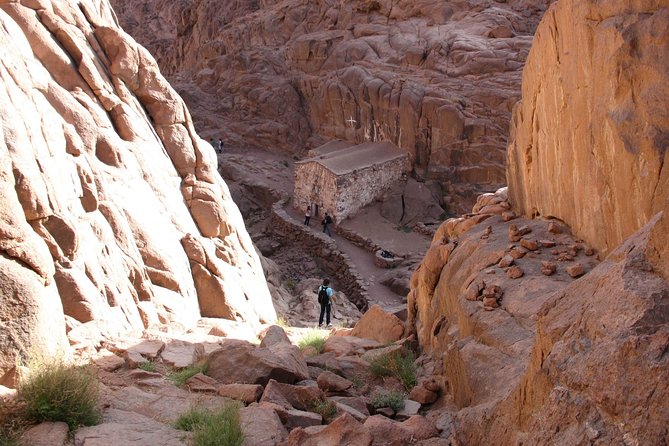
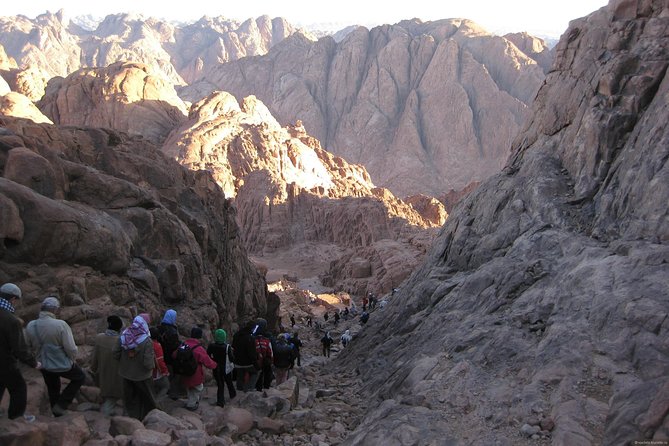
Mount Sinai is not just steep—it’s steep and exposed to cold. Even when Sharm is warm, the summit can be freezing. Bring heavy layers: gloves, a hat, and a proper jacket. If you’ve ever underestimated night hiking because the weather forecast looked fine, this is where you fix that habit.
Expect the climb to be demanding. You’ll be moving upward for hours, often with checkpoints and breaks along the way. Then comes the part that makes people groan: the final section includes about 750 steps near the top. The good news is you’re not doing it alone; the guide keeps the group together and helps people pace.
You can rent a camel, but it’s not a full cheat code. The camel can reduce strain for part of the route, and you still have to walk the final stair section. Camels can be a comfort tool, especially if knees or stamina are your weak spot, but they don’t replace the summit steps.
Weather can flip the script
The summit can get so cold that conditions sometimes include snow and ice, especially on the way up or down. That’s a reminder to wear real hiking boots, not just sneakers, if you want secure footing. If the ground is icy, the descent can feel even more challenging than the ascent because your knees are working overtime.

Sunrise at the top: how to actually enjoy it once you’re there
When you finally reach the summit, your first job is to secure a good spot. You’re usually arranging yourself before sunrise, so do a quick scan: where the crowd clusters, where you can stand without blocking others, and where wind is lowest.
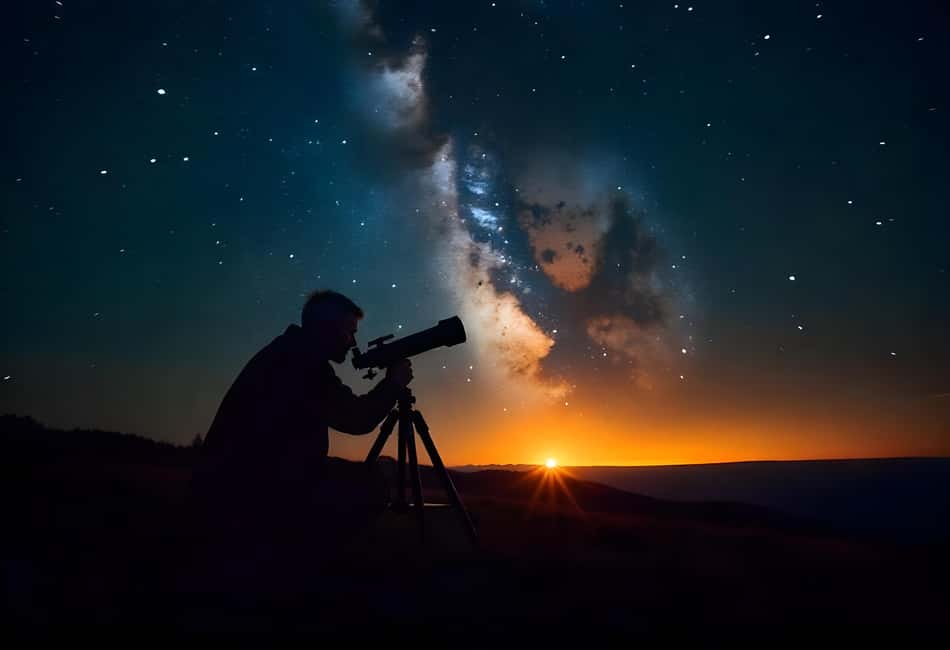
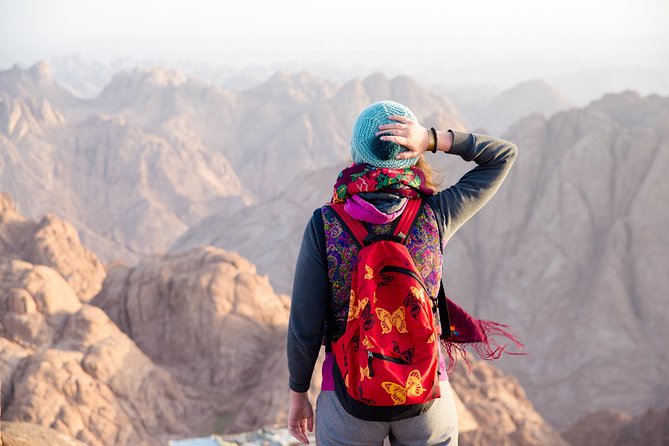
Then settle in. This is the moment people remember most. The sky changes fast—stars fading into a pale gradient—while the mountain stays brutally quiet around you. The view isn’t “theme park pretty.” It’s dry, rugged, and honest. That’s why the photos look dramatic; the scene is real.
If you can, bring a thermos with something hot. People buy hot drinks on the mountain, but having your own warm cup turns the climb into a more controlled experience. Snacks help too, because your body burns calories in the cold and in the uphill grade.
One more gear note from real-world experience: people sometimes end up renting blankets on-site when they arrive colder than expected. If you pack properly, you’re less likely to pay last-minute prices for basic comfort.
St. Catherine’s Monastery: short time, calmer feeling
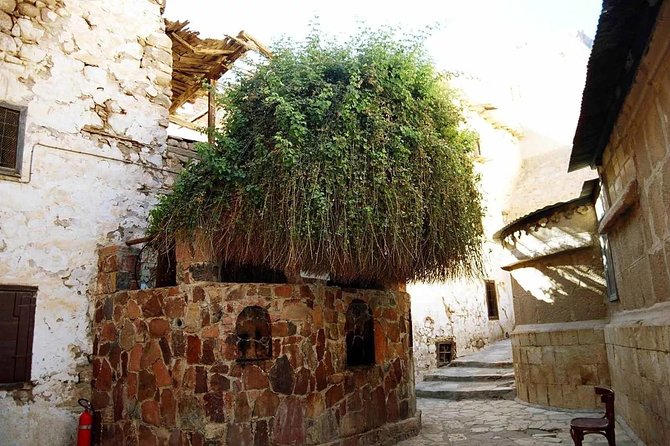
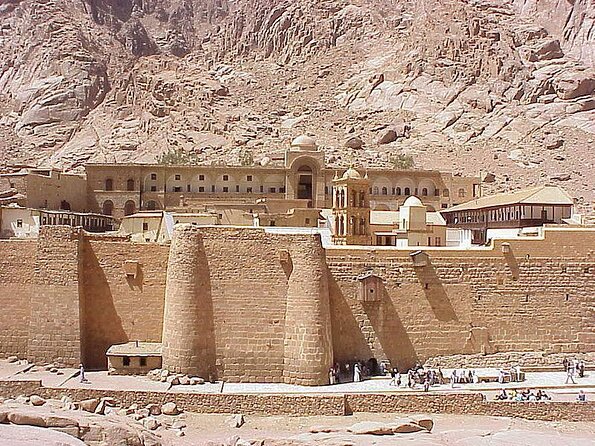
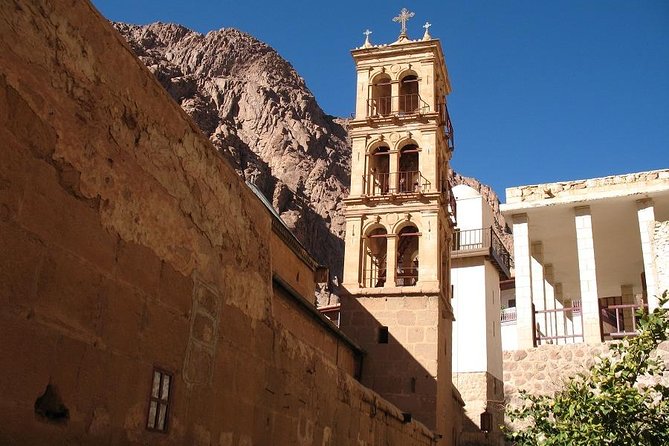
After sunrise, you go down and continue to St. Catherine’s Monastery at the base of Mount Sinai. The visit is brief—around 40 minutes—so don’t plan a deep museum-style afternoon here. Think of it as a meaningful pause after the climb.
What makes this stop valuable is the pacing. You don’t get time to overthink it; you move from worshipful high-mountain atmosphere to the monastery’s quieter, more enclosed spaces. It also helps you avoid getting too hungry and exhausted before your drive back.
A detail to watch: monastery hours can vary. There are cases where it may be closed when you arrive, so it’s smart to stay flexible and not treat the monastery as guaranteed-your-photos-exactly-like-this.
Guides and group size: what “max 18” changes
This trip keeps group size capped at up to 18 travelers, which helps. Smaller groups are easier to manage on steep terrain in the dark. It also makes it more likely you can take breaks without the whole line falling apart.
Guides play a big role on this kind of hike. Some guide names you might hear include Duna (praised for caring for group members) and Magde (helpful with the trickier stair sections). You may have a Bedouin guide during the climb as part of the included experience, and their job is basically to keep you safe and moving.
One realistic caution: communication needs to be tight for an overnight plan. If you fail to bring key items (like torch/headlamp, warm layers, or snacks), the trip can get stressful fast. The best strategy is simple: pack carefully before you leave your hotel.
Food, drinks, and the costs you’ll meet along the way
Food and drinks aren’t included, which means you’re buying what you need in the early morning hours. Along the climb, there are stops where you can pick up hot drinks and snacks. Prices can feel “touristic,” so bring what you can from your hotel or carry minimal essentials.
This is also where people get surprised: buying breakfast or warm items at the mountain can be pricey. If you want to control cost and comfort, a small bag with snacks plus a thermos is the easiest fix.
If you do decide to rent extra comforts—blankets, for example—know that they exist mostly for cold protection and are not baked into your $48 price.
Who should book this, and who should skip it
This tour suits people with at least moderate physical fitness who are comfortable with a steep uphill route in the dark. You don’t need to be an elite hiker, but you do need endurance and decent balance.
It’s especially good if:
- You want the classic Mount Sinai experience where the sunrise is the centerpiece.
- You like guided, structured climbing instead of solo navigation.
- You’re traveling with a faith connection or simply love “place + story + sky” moments.
I’d skip it if:
- Your mobility is limited or stairs are a major issue for you.
- You’re easily overwhelmed by cold and long early mornings.
- You’re carrying large luggage and can’t manage it with the vehicle constraints.
And if you’re worried about the final stairs, camel rides can help reduce fatigue—just remember you still walk the stair portion near the summit.
Should you book Sunrise at Mt. Sinai and St. Catherine’s Monastery?
If you want a once-in-a-lifetime sunrise hike and you’re willing to handle steep walking in cold weather, I think this is a strong value. The mix of included entrances, pickup, and an included guide makes it easier than cobbling together separate transport and tickets. Plus, the monastery stop turns the trip into more than just a mountain “photo mission.”
But be honest with yourself about the hard parts. This isn’t gentle. You’ll feel it in your legs, especially on the descent. If you go in prepared—warm layers, good footwear, snacks, and a way to stay comfortable—you’ll enjoy the moment instead of fighting the conditions.
FAQ
What time does the tour start?
The pickup starts in the evening, often around 8:00 pm, and can be described as roughly 7:30–9:00 pm depending on your hotel. The tour ends around 2:00 pm.
How long is the tour?
It runs about 16 to 18 hours total.
Is hotel pickup and drop-off included?
Yes. Hotel pickup and drop-off are included in the price.
Are entrance fees included?
Yes. Entrance fees for the sites are included.
Is a camel ride included?
No. A camel ride is optional and not included in the standard ticket.
How physically demanding is the hike?
It requires moderate physical fitness. The climb includes a tough ascent and a steep stair section near the top (around 750 steps), so you should be prepared for a challenging hike.
What should I pack for the summit?
Plan for cold weather. Bring heavy warm clothes such as a jacket, gloves, and a hat. You can also bring hot drinks in a thermos and some snacks.
Is there luggage space on the transport?
The microbus has no luggage space, so it’s not a good fit for heavy bags. This can affect airport or other pickup situations.
What happens if the tour is canceled due to weather?
The experience requires good weather. If it’s canceled due to poor weather, you’ll be offered another date or a full refund.
What is the cancellation window for a full refund?
You can cancel for a full refund up to 24 hours in advance of the experience start time. If you cancel less than 24 hours before, the amount paid is not refunded.