REVIEW · CAIRO
Private Guided Tour to Pyramids anf grand Egyptian museum
Book on Viator →Operated by Halo Egypt tours · Bookable on Viator
Giza and Alexandria in two days, with a real guide.
I love how this tour links Giza Plateau with the Grand Egyptian Museum on the same long day, so you see the pyramids first and then the artifacts right after. I also like the mix of eras: Pharaonic monuments in Cairo followed by Coptic and Islamic Cairo, then Roman Alexandria sites like Kom el Shoqafa and Pompey’s Pillar. One thing to plan for: this is a full-throttle schedule with lots of walking, sun, and stair steps in catacombs—good shoes and bottled water matter.
The private guiding is the secret sauce here. If you’re lucky and you get Ahmed (a name that shows up in local praise), you’ll benefit from an archaeology background and clear explanations that connect Egyptian, Christian, and everyday history in plain language. In at least one past group, the tour also worked in German, which is a nice comfort if that’s your language.
With pickup offered and private transportation included, you’re not solving Cairo traffic on your own. Lunch is included for both days, but you’ll still want to manage expectations: you’ll be seeing a lot, not doing slow wandering.
In This Review
- Key Highlights You’ll Feel on This Tour
- Two Days, One Plan: How This Private Tour Works in Real Life
- Day 1 at Giza: Cheops, Chefren, Mykerinus, and the View Factor
- The Grand Egyptian Museum: Tutankhamun and the Royal Timeline Feeling
- Coptic Cairo and the Oldest Churches: Where 1600 Years Gets Real
- Day 2 in Alexandria: Kom el Shoqafa and Pompey’s Pillar
- Qaitbay Fortress and the Library Area: Alexandria’s Rebuilt Identity
- Price and Value: Does $40 Actually Make Sense?
- How to Prepare: Shoes, Sun, and a Sensible Mindset
- Who Should Book This Private Tour (and Who Might Not Love It)
- Should You Book This Tour?
- FAQ
- What is included in the tour price?
- Is this a private tour?
- Are entrance tickets included for the major sites?
- How long is the experience?
- What language will the guide speak?
- What if the weather is bad?
Key Highlights You’ll Feel on This Tour
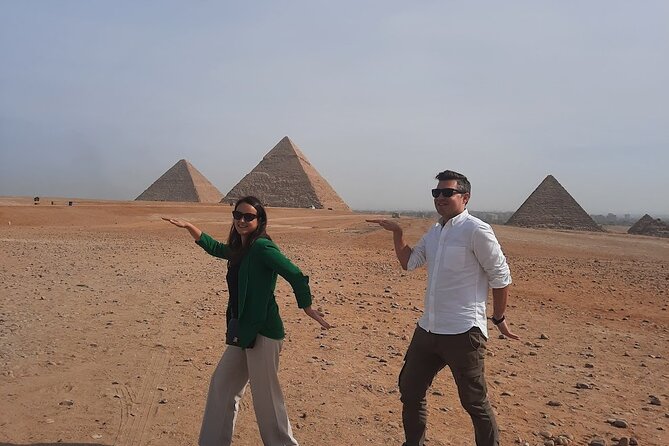
- Pyramids of Giza + Sphinx + Valley Temple in one organized morning block
- Grand Egyptian Museum time focused on famous royal treasures, including Tutankhamun
- Coptic and Islamic Cairo with very old churches and a deeper look at early communities
- Kom el Shoqafa catacombs with shafts roughly 30 meters down and mixed Roman-Greek-Egyptian styles
- Pompey’s Pillar tied to the Serapis temple story and the Ptolemaic era
- Qaitbay Fortress and the Alexandria Library area showing how the city rebuilt itself over centuries
Two Days, One Plan: How This Private Tour Works in Real Life
This is built as a short break that actually connects the dots. Day 1 anchors you at the Pyramids of Giza, then continues to Cairo’s museum world, and later moves into Coptic and Islamic Cairo. Day 2 shifts gears to Alexandria, stacking major sites in a way that’s easy to follow without missing the big names.
Because it’s private, the pace is in your hands. Your guide can steer you through photo stops, explain what you’re looking at, and keep the day from turning into a chaos sprint. That matters at Giza and inside museums, where it’s easy to lose time wandering or waiting for group decisions.
Logistics-wise, private transportation plus pickup means less friction. You won’t be piecing together buses or negotiating rides with a rough route on your first day in a new city. Lunch is included twice, which helps you stay steady for long museum hours and catacomb stairs.
The main tradeoff is stamina. Plan on a lot of steps and heat exposure. The tour is most rewarding when you show up with good walking shoes and a calm attitude about time passing quickly.
You can also read our reviews of more guided tours in Cairo



Day 1 at Giza: Cheops, Chefren, Mykerinus, and the View Factor
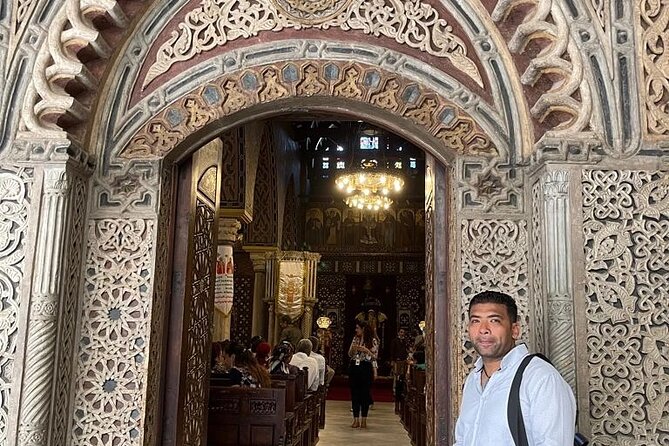
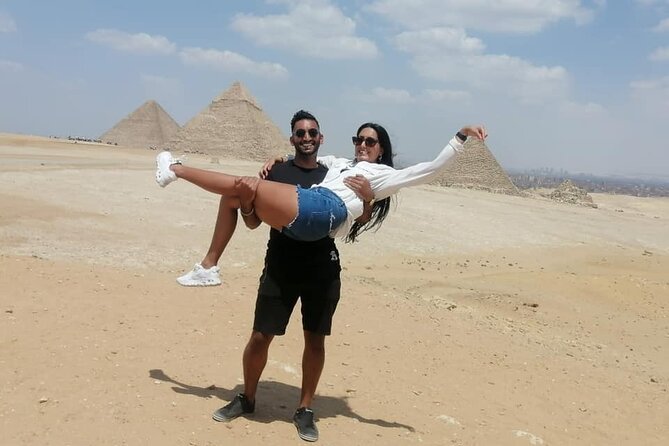
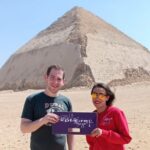
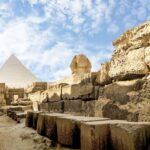
Your morning starts with breakfast at your hotel in Cairo, then you meet your personal guide for the trip to the Giza Plateau. Expect a classic lineup: the Great Pyramids of Cheops, Chefren, and Mykerinus, plus the Sphinx and the Valley Temple facing that famous landscape.
What I like about doing this with a guide is that the visit becomes more than a photo circuit. You’re not just looking at huge shapes. You get help building a simple mental map: where each pyramid sits, why Valley Temples matter, and how the site ties into the broader ancient worldview. Even if you already know the names, it helps to hear the relationships explained while you’re standing in the right place.
This stop is also long enough to get the feel of the plateau without constant rushing. You’ll also get lunch afterward at a local restaurant of good quality, which is practical—this is one of those days where you don’t want to hunt for food after big walking.
One more reality check: Giza can be windy, hot, and busy depending on when you go. Bring sun protection and pace yourself. If you try to “power-walk” every corner, your legs will revolt before you’re done.
The Grand Egyptian Museum: Tutankhamun and the Royal Timeline Feeling
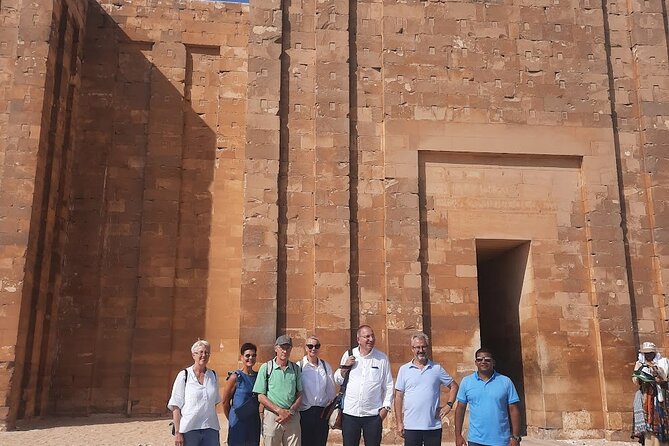
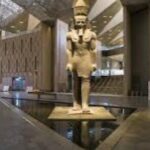
After Giza, you transfer to the Egyptian museum segment of the day and then continue to the Grand Egyptian Museum. The plan includes time at the museum focused on major royal collections and famous treasures.
I like that the flow is logical: pyramids first, then artifacts that show the craftsmanship and power behind those monuments. At the Egyptian museum stop, you’re looking at an enormous collection size—described as around 100,000 statues—and you’ll spend time on famous items connected with King Tut Ankh Amun. The Grand Egyptian Museum adds another layer, including attention on royalty such as Ramses II.
Here’s the value for you: museums can be overwhelming. If you go without context, you end up seeing fragments and guessing what’s important. With a private guide, you can target what you should care about and still keep it human—story first, object second.
Also, museum time is built in with a clear block (about three hours at the Grand Egyptian Museum). That’s long enough to look closely and not just “glance and go.”
Tip from experience on days like this: choose one or two artifacts you truly want to remember. When you feel the urge to photograph everything, pick a small set. You’ll enjoy the rest more, and your photos will mean more later.
Coptic Cairo and the Oldest Churches: Where 1600 Years Gets Real
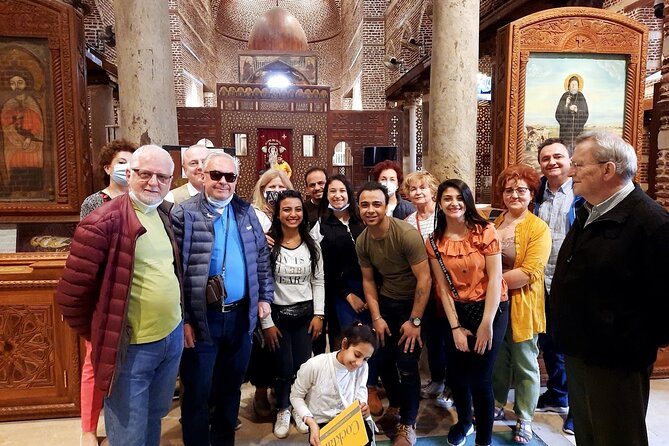
Cairo is stacked, and this tour doesn’t just skim the surface. It includes Coptic and Islamic Cairo, focusing on early Christian presence and older communities. You’ll visit places described as among the oldest churches in Cairo, going back roughly 1600 years, plus a catacomb connected to an old Roman-era cemetery dating to about the 2nd century AD.
What this section does well is break the usual “Egypt = pyramids only” mindset. Coptic Christianity is part of Cairo’s living fabric, not just ancient wallpaper. And catacombs add a different kind of gravity—architecture, atmosphere, and history that you feel in your body as you descend and move in tight spaces.
I’d treat this as a reflective part of the tour, not a quick detour. Wear something comfortable for stairs and low-light areas, and be ready for a quieter tone than at Giza.
A possible consideration: these sites can involve narrow passages and uneven areas. If you’re the type who hates tight spaces, plan for it mentally. If you’re comfortable, this is often the part of the trip that lingers.
Day 2 in Alexandria: Kom el Shoqafa and Pompey’s Pillar
Day 2 starts with breakfast at your hotel, then you head to Alexandria with your guide. The first big draw is the catacomb area—Kom el Shoqafa—described as a Roman cemetery style with deep shafts about 30 meters down and a mix of Pharaonic, Greek, and Roman elements.
This is one of those places where the guide matters even more than usual. Without context, you might just see stone chambers. With explanations, you learn how styles combine and why that blending happened. You also get practical help navigating the route so the time underground doesn’t feel chaotic.
After the catacombs, you visit Pompey’s Pillar. Here’s the interesting part: the pillar is connected to older temple history—described as originally a temple of the Egyptian god Serapis, built by Ptolemy I, and now you only see the remnant pillar tied to Pompey by later association.
In plain terms: Alexandria is a city of layers. This stop gives you a visible “before and after” moment where different eras get tangled in a single structure. It’s a great place to slow down and take in proportions and details you’d otherwise miss.
You’ll also have lunch during the Alexandria day before continuing through the remaining stops, keeping the day from becoming a constant snacking-on-the-go situation.
You can also read our reviews of more private tours in Cairo




Qaitbay Fortress and the Library Area: Alexandria’s Rebuilt Identity
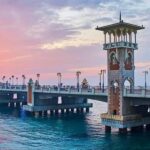
Next up is the Qaitbay Fortress, described as a Mamluk fortress built in 1477 AD, located on the same place as the old lighthouse of Alexandria. That lighthouse connection is the kind of historical hook that helps you understand why this spot matters, even if the original lighthouse is long gone.
Then you finish at the Alexandria Library area, focused on the new building located on the same grounds as the old library. You’ll see remains from the older site as part of your visit, which helps you connect the modern institution to the earlier one that existed there.
Why I think this matters for you: after ancient ruins and catacombs, the library stop gives a different kind of energy. It’s still history, but it’s history with an intellectual mission. You get to think about how knowledge survived, moved, and restarted across centuries.
Time here is described as about an hour, so keep it simple: look at the setting, absorb what’s displayed, and don’t try to treat it like a full-day museum. You’ll enjoy it more if you treat it as a thoughtful finale.
Price and Value: Does $40 Actually Make Sense?
At $40 per person, this feels like strong value for what’s included. You’re getting private transportation, a tour guide speaking your language, all fees and taxes, and lunch on both days. That combination is where guided tours often get expensive, so it’s worth noticing when price stays sane.
It’s also value because you’re not just buying entrances. You’re paying for time saved and confusion avoided. With private guiding, you spend more time understanding what you see rather than trying to decode signage in a busy setting.
A fair way to judge it: compare the cost of getting a driver, paying entrance fees across multiple major sites, and paying for a guide for two full days. The math usually gets ugly fast. Here, the structure keeps costs controlled while still covering the most famous stops—Giza, Tutankhamun-era highlights, Coptic Cairo, Kom el Shoqafa, Pompey’s Pillar, Qaitbay Fortress, and the Alexandria Library area.
One practical note: tipping isn’t included, so set aside a little extra if this service works well for you. Small tip, big goodwill.
How to Prepare: Shoes, Sun, and a Sensible Mindset
If you do this tour, prepare like it’s two active city days, not museum postcards.
- Bring comfortable walking shoes. Giza and museum areas involve lots of standing. Catacombs add stairs and tight routes.
- Pack sun protection. Even when it’s not scorching, you’ll feel the heat.
- Carry water. Lunch is included, but the sites can take longer than you plan emotionally.
- Keep your expectations simple: you’ll see many headline places. That’s the point.
Also, I suggest you choose one or two themes before you go. For example: ancient royal power, early Christianity in Cairo, and Alexandria as a crossroads city. When you have a theme, your guide’s explanations connect faster, and the tour feels less like a checklist.
Finally, plan for flexibility. This experience requires good weather. If conditions are poor, you may be offered a different date or a full refund—so watch the forecast when you’re close to departure.
Who Should Book This Private Tour (and Who Might Not Love It)
This tour fits best if you want a short break that still feels complete. It’s ideal for couples, small families, and solo travelers who don’t want to manage transportation or figure out a route across two cities.
It also suits history lovers who like the idea of switching eras: Pharaonic Egypt to Roman Alexandria to Coptic Cairo. The tour structure is designed for people who enjoy connections, not just random sights.
If you’re the type who wants slow mornings, long café stops, and zero rush, you might find this schedule too packed. It’s not built for “take your time” pacing. You’ll still get great moments, but the day moves.
Should You Book This Tour?
If you want the big highlights without the hassle, I think this is a smart choice. The strongest reasons to book are the private guiding and the efficient coverage of major sites across Cairo and Alexandria, with entrance fees and taxes handled and two lunches included.
The only real question is your stamina. If you can handle stairs, sun, and tight catacomb spaces, you’ll likely come away feeling like you got your money’s worth in both time and understanding.
If you want a calm, slow travel style, look for something with fewer stops per day. But if you’re here for a focused two-day history hit, this private plan is an easy yes.
FAQ
What is included in the tour price?
The tour includes private transportation, all fees and taxes, a tour guide who speaks your language, and lunch (2).
Is this a private tour?
Yes. It’s described as a private tour/activity where only your group participates.
Are entrance tickets included for the major sites?
Entrance tickets are listed as included for key stops like the Pyramids of Giza, the Grand Egyptian Museum, Kom el Shoqafa catacombs, Pompey’s Pillar, and Alexandria Library (with some stops marked as free). The package also states that all fees and taxes are included.
How long is the experience?
It’s listed as a 2-day experience (approx.). Day 1 focuses on Cairo-area sites and Day 2 focuses on Alexandria.
What language will the guide speak?
The tour guide speaks your language, and past groups have noted multilingual service (including German).
What if the weather is bad?
This experience requires good weather. If it’s canceled due to poor weather, you’ll be offered a different date or a full refund.