REVIEW · CAIRO
One package From Hurghada to Luxor: Balloon & Luxor Day Tour & Lunch & Felucca
Book on Viator →Operated by DrMo Tours Egypt · Bookable on Viator
Luxor in one day sounds impossible, until the balloon makes it real. This Hurghada-to-Luxor package strings together sunrise views, major temple stops on both sides of the Nile, and a relaxed sunset sail that breaks up the long day. It’s timed so you’re out early on the West Bank and still make it back after dark.
What I like most is the mix of top-tier sights without feeling like you’re rushing alone. You’ll have an Egyptologist guide for context (not just directions), plus a professional photographer included—useful if you want clean photos without playing camera operator all morning. The day also includes lunch, water, and snacks to keep the energy up.
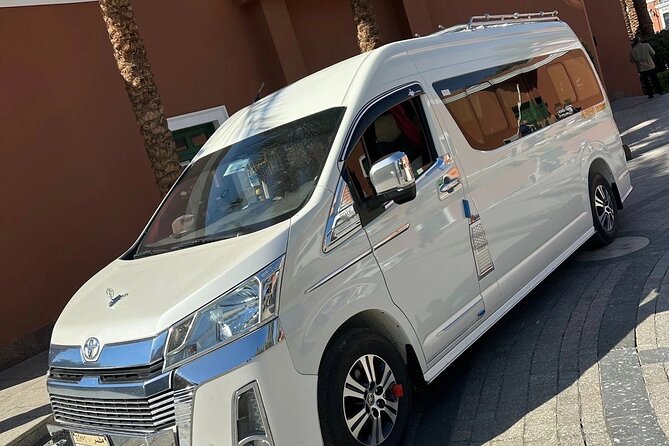
One thing to plan for: this is a very long day (about 17 to 19 hours) and parts of the day depend on sunrise and weather, plus entrance fees aren’t included. Also, while the pickup is described as a private air-conditioned car/minivan, at least one past group reported ending up on a larger bus.
In This Review
- Key highlights if you want this kind of day
- The 11pm pickup: what makes this trip work (and what to watch)
- Sunrise hot-air balloon over Luxor: the best reason to do the long day
- Valley of the Kings: choosing tombs, managing time, and not missing what matters
- Deir el-Bahari and Colossi of Memnon: West Bank highlights without the chaos
- Karnak Temple and the Avenue of Sphinxes: where time tends to fly
- Luxor Temple, dinner, and the felucca payoff
- Price and logistics: what you’re paying for (and what might cost extra)
- What this tour feels like day-to-day (schedule reality)
- Who should book this Luxor day trip from Hurghada?
- Should you book it?
- FAQ
- Is hotel pickup and drop-off included?
- What’s included in the price?
- Are temple and tomb entrance fees included?
- What places do you visit in Luxor?
- Is the hot-air balloon ride part of the tour?
- Is the Nile felucca ride included?
- How long is the day trip from Hurghada to Luxor?
Key highlights if you want this kind of day
- Sunrise hot-air balloon (about 45–60 minutes) over Luxor’s archaeological sites
- Valley of the Kings tomb circuit with multiple royal tombs, and optional Tutankhamun add-on
- Hatshepsut at Deir el-Bahari plus Colossi of Memnon on the West Bank
- Karnak Temple with the Hypostyle Hall and major monuments in one long visit
- Felucca sunset sailing on the Nile to end the day on a calmer note
The 11pm pickup: what makes this trip work (and what to watch)
This tour is built around an overnight transfer. You’re collected from your Hurghada hotel at around 11:00 pm and taken to Luxor for an early-morning schedule. In plain terms: you’re spending the night on the road so you can start Luxor while it’s still cool and before the busiest crowds.
That timing is a big advantage. You’ll hit the Valley of the Kings area early enough to keep the tomb visits manageable, then move across to the East Bank for Karnak and Luxor Temple later in the day. It’s a lot of moving parts, but it’s also how you get sunrise balloon time without sacrificing the temples.
The one consideration is that “private minivan” and “private luxury car” can mean different vehicles depending on the group and logistics that night. If you’re picky about comfort, I’d pack for a long ride and be ready for variability.
A few more Cairo tours and experiences worth a look

Sunrise hot-air balloon over Luxor: the best reason to do the long day
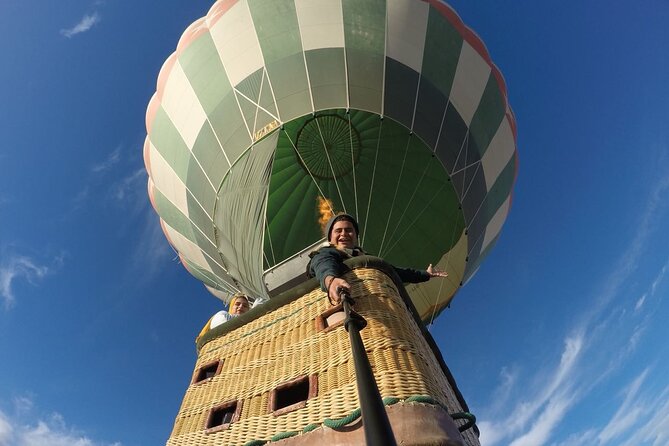
The headline here is the sunrise balloon ride—listed at 45–60 minutes. After you arrive in Luxor, you’ll have a short stop for tea, then you’ll be positioned for the balloon launch window. The whole point is watching the sun come up over the archaeological area, when light is softer and the views are at their most dramatic.
Balloon mornings come with a simple reality: you’ll feel sleepy at first, but the payoff hits fast once you’re airborne. I like that the itinerary doesn’t treat the balloon as a quick photo stop—it’s given enough time to actually look around.
What to prepare:
- Dress in layers. Even in warmer seasons, mornings near sunrise can feel chilly.
- Wear closed-toe shoes you can stand/walk in.
- Bring sunglasses and sunscreen, because once the sun rises it gets bright quickly.
- If you’re sensitive to motion, consider that you’ll be on a long transport day plus a balloon flight. The package says it runs in all weather conditions, so you should expect plans to be weather-dependent.
One extra tip: if you care about getting good photos, the included professional photographer is exactly the kind of help that prevents the usual scramble. People have specifically praised staff for keeping balloon moments smooth and organized.
Valley of the Kings: choosing tombs, managing time, and not missing what matters
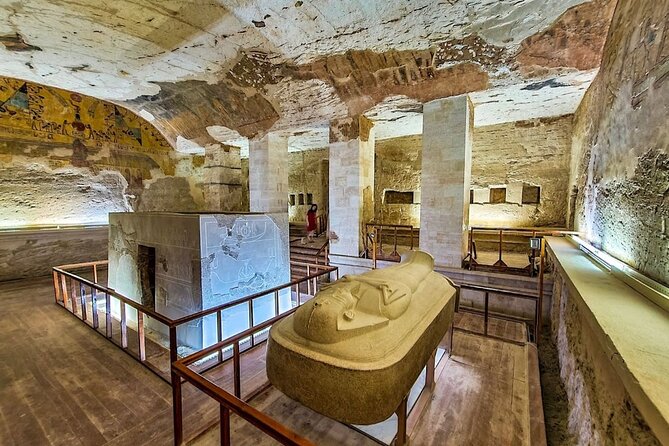
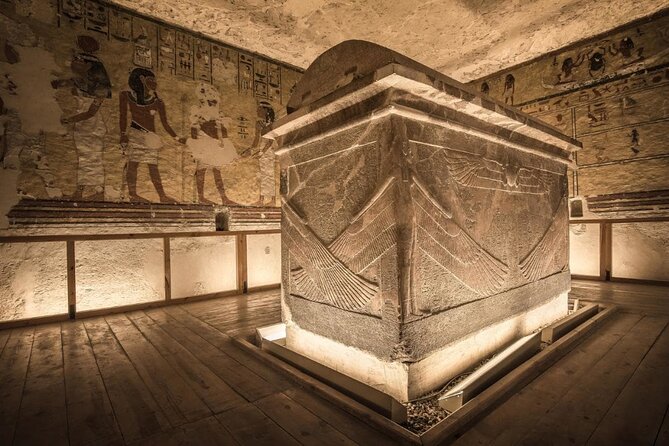
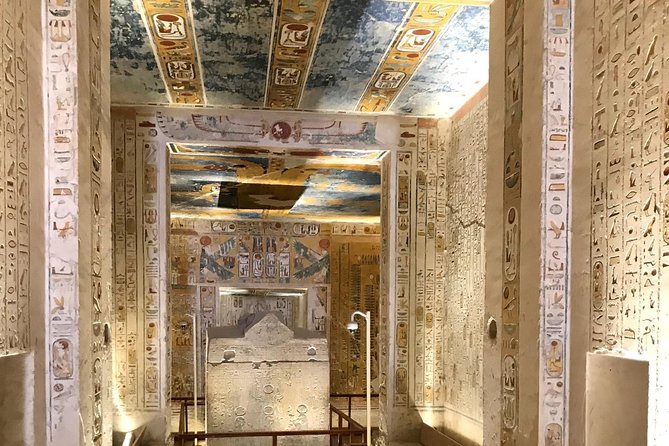
The Valley of the Kings is where this trip earns its history credentials. You’ll visit the West Bank necropolis of Thebes and focus on a handful of royal tombs rather than trying to cram everything in. That’s a good approach because tomb interiors reward attention, not speed.
Your stops include major names such as:
- Tomb of Merenptah (KV 8), with a note that it’s well known in the context of royal burial tradition
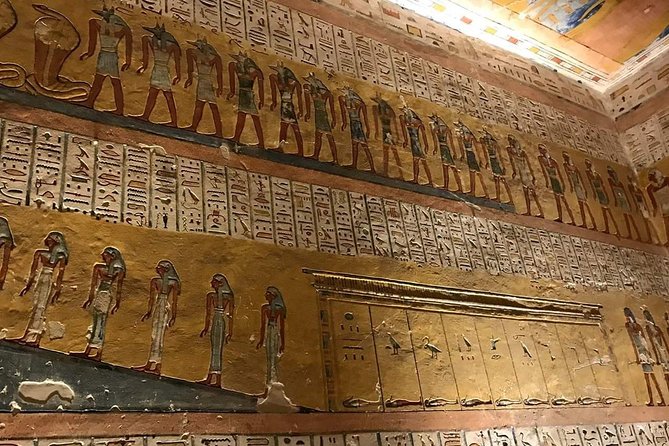
- Tomb of Ramses III (KV 11), known for decorated scenes and ritual texts
- Tomb of Ramesses IX (KV 6), described with lots of color and detail, including ceiling goddess imagery
Each tomb visit is timed (around 25 minutes in the plan), which means you should expect a guided “see the key parts” experience. That’s ideal for first-timers. If you’re the type who wants to study every inscription like it’s a textbook, you’ll probably want more time than this day offers.
Two important practical notes:
- The package lists that entrance fees are not included. Even when some tomb entrances appear marked as included, you should still plan for the fact that not everything is bundled and you may be asked for additional payments on the spot.
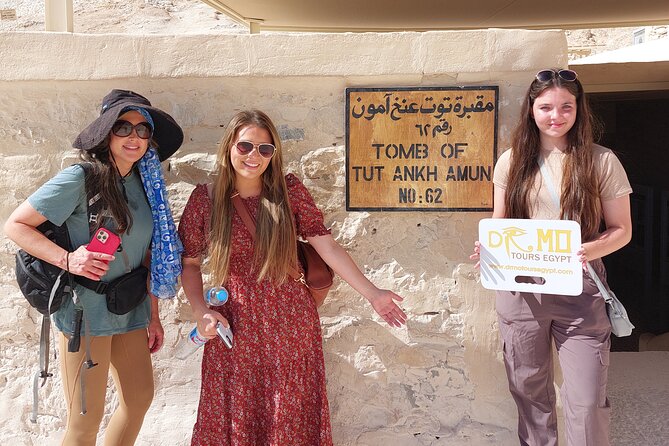
- Tutankhamun’s tomb is presented as an option. You’ll need extra tickets if you want it, and that’s the kind of add-on that can change your total pace. If you care most about Tut, plan your priorities and don’t assume it’s automatically included.
Deir el-Bahari and Colossi of Memnon: West Bank highlights without the chaos
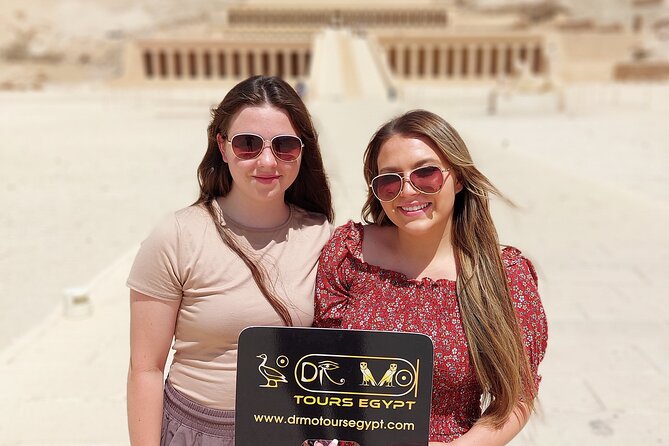
After the tombs, the route moves to Temple of Hatshepsut at Deir el-Bahari. This is the only woman known to have reigned as pharaoh, and the plan gives you about 1 hour 30 minutes. Even if you’ve seen pictures, it’s one of those places where the scale and setting makes the story feel more real.
The itinerary also flags that entry for Hatshepsut isn’t included, so keep that in mind for budgeting.
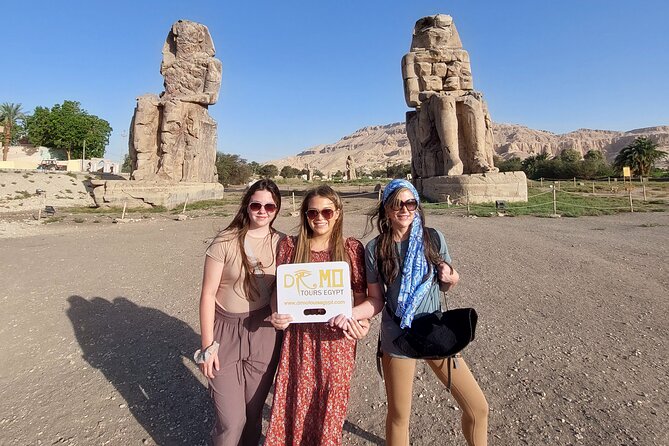
Then you’ll head to the Colossi of Memnon, the famous pair of giant statues dating to Amenhotep III. The stop is short—about 10 minutes—but it’s one of those quick hits that’s worth it. If you’ve never seen them in person, the scale can surprise you, especially after hours in the tombs.
A smart way to handle these two stops:
- Think of Hatshepsut as your “photo and context” stop.
- Use Colossi as a “wow factor” pause, then get ready to shift back to larger temple complexes.
Karnak Temple and the Avenue of Sphinxes: where time tends to fly
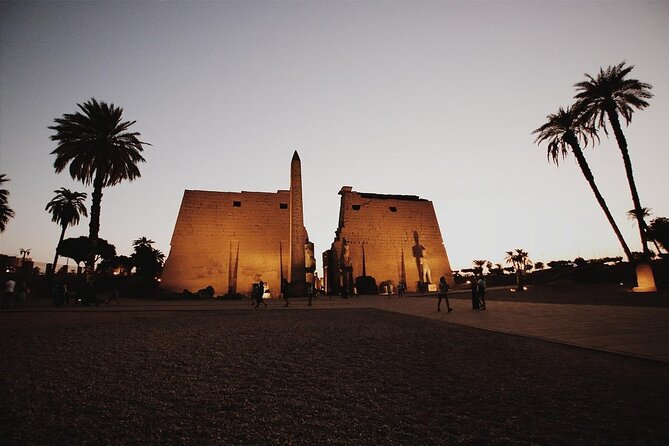
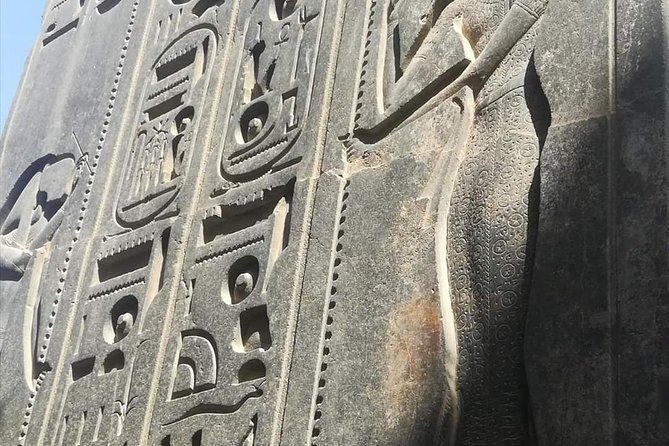
On the East Bank side, Karnak Temple is the big draw, and the schedule reflects that. You’ll get a longer visit (listed at about 2 hours) where you can take in the main monuments: the Avenue of Sphinxes, the Hypostyle Hall with its 134 columns, obelisks tied to Hatshepsut and Thutmose I, the Temple of Amon, the sacred lake, and more.
This is also where an Egyptologist guide really matters. Karnak is layered—different pharaohs adding sections over different reigns—so without context, you can end up seeing “big rooms with columns” instead of a coherent story. With a guide, you’re more likely to catch what each area was meant to represent.
The plan also includes smaller add-on stops around Karnak such as:
- Avenue of Sphinxes (impressive even though only part is accessible today)
- Obelisks of Thutmose I and Queen Hatshepsut (time-saver stops, but meaningful)
- A short additional stop at Temple of Ramesses III within the Karnak area (quick but focused)
One note on entries: the itinerary indicates some Karnak entry isn’t included, and the general rule in the package says entrance fees aren’t included. So you’ll want a little cash/card buffer for the places where you may be asked to pay.



Luxor Temple, dinner, and the felucca payoff
After Karnak, you’ll continue to Luxor Temple for about 1 hour. It’s linked to Amenhotep III’s construction in the 18th Dynasty and completion under Ramses II. Like many major Luxor sites, it feels best when you slow down enough to read the shape of the space—even if you can’t read the inscriptions.
You’ll then have dinner at a local restaurant. The schedule doesn’t specify the menu, but it does keep the day structured so you’re not searching for food after a long day in the sun.
And then comes a very good piece of balance: the included felucca sunset sailing. This is the part where your feet get to rest. The Nile at golden hour changes the mood. It’s also a good contrast to the hard edges of temples and tomb corridors.
If you’re someone who tends to burn out after temple-heavy tours, this felucca stop can be the difference between a great day and a “I’m glad it’s over” day.
Price and logistics: what you’re paying for (and what might cost extra)
At $239 per person, you’re buying a bundle: overnight round-trip transport, a sunrise balloon ride, a sunset felucca sail, lunch, water and snacks, and guided temple/tomb coverage, including a professional photographer. You’re also getting the convenience of someone handling timing and transfers between West Bank and East Bank.
That value makes the most sense if:
- you don’t want to arrange balloon logistics yourself,
- you want guided context for multiple monuments in one shot,
- and you like the idea of seeing Luxor with a “highlights + depth where it counts” approach.
What’s not included is the big one: entrance fees. In practice, that can mean you’ll pay at several sites or for optional tombs like Tutankhamun and for entries like Hatshepsut and some Karnak/Luxor temple entry depending on how the package marks coverage.
Also watch for comfort details on transport. Even though the plan describes air-conditioned transfers (and even private vehicle language), at least one past group reported receiving a larger bus. You can’t fully control that, so plan for the long ride and bring what helps you tolerate it: water, a layer, and a plan for sleep.
What this tour feels like day-to-day (schedule reality)
This is not a relaxed “wander and stop for coffee” tour. It’s structured around set departure times and set site windows. You’ll move from Hurghada to Luxor overnight, do balloon then tombs on the West Bank, shift to Karnak and Luxor Temple on the East Bank, enjoy felucca at sunset, and then head back.
Because the timing is tight, the best strategy is mental: decide what you care about most before you go. If your top priorities are Karnak and Valley of the Kings, you’re in the right place. If you want maximum time inside every tomb, you’ll feel the schedule squeeze.
The good news is that the itinerary is built to avoid total overwhelm. Instead of one massive, unbroken day without breaks, you get lunch, snacks, water, and a natural decompression window with the felucca.
Who should book this Luxor day trip from Hurghada?
This package is a great fit for you if:
- you want a high-impact Luxor highlights day,
- you value an Egyptologist guide for turning monuments into stories,
- you’re specifically excited about sunrise balloon time plus major temples.
It’s also a reasonable choice if you’re traveling with a group who wants a plan, not a puzzle. The tour is described as private for your group, and confirmation happens at booking.
If you’re traveling with kids, the package states that children must be accompanied by an adult. And if you have dietary needs, a vegetarian option is available—just tell them at booking.
If you’re the kind of traveler who hates long days, this might not be your favorite format. Seventeen to nineteen hours is a commitment, even when it’s well organized.
Should you book it?
I’d book this if your dream Luxor includes sunrise balloon views, the Valley of the Kings tombs, and the big-name temples on both sides of the Nile—and you want someone else to handle the timing. The combination of balloon + Egyptologist guidance + lunch + felucca is exactly what turns a far-off day trip into a memorable one.
I would hesitate if you:
- hate early starts and long overnight transfers,
- need fully all-in pricing (because entrance fees and optional tickets like Tutankhamun are not included),
- or expect a tiny private vehicle every minute (some reports mention bigger transport than the minivan wording).
If you book, prep smart: pack layers for balloon morning, plan for site-entry fees, and decide in advance whether Tutankhamun’s tomb is worth the extra cost for you.
FAQ
Is hotel pickup and drop-off included?
Yes. The tour includes hotel pickup and drop-off from Hurghada.
What’s included in the price?
The package includes sunrise balloon ride, sunset felucca sailing, lunch, bottled water and snacks, and a guided experience with an Egyptologist (plus a professional photographer is listed as included).
Are temple and tomb entrance fees included?
No. Entrance fees are not included. The itinerary also notes that some optional or specific entrances may require extra tickets.
What places do you visit in Luxor?
You’ll cover the Valley of the Kings, Temple of Hatshepsut at Deir el-Bahari, Colossi of Memnon, Karnak Temple, and Luxor Temple, with time spent at several tombs.
Is the hot-air balloon ride part of the tour?
Yes. The tour includes a sunrise hot-air balloon ride of about 45–60 minutes.
Is the Nile felucca ride included?
Yes. A sunset felucca sailing ride on the Nile is included.
How long is the day trip from Hurghada to Luxor?
The duration is listed at about 17 to 19 hours, depending on timing and traffic conditions.