REVIEW · EGYPTIAN MUSEUM OF ANTIQUITIES
Cairo: Egyptian Museum 4-Hour Private Tour with Transfer
Book on GetYourGuide →Operated by Saladino Tours - Egypt · Bookable on GetYourGuide
Gold that survived 3,500 years stops you cold. This private Egyptian Museum tour is all about the big-ticket artifacts, guided by an Egyptologist who helps you connect what you’re seeing to the kingdoms that made it. I like how the visit focuses on top highlights, especially the gold and jewelry from King Tutankhamun’s tomb, and I also like the no-stress hotel pickup and drop-off in air-conditioned comfort. The one catch: with only four hours, you’ll need to rely on your guide’s route to hit the most important rooms.
The museum has over 250,000 genuine artifacts, so walking in without a plan can feel like drinking from a fire hose. This tour gives you a curated path through key collections from the Old, Middle, and New Kingdom periods, with time to understand what matters most. If your goal is to see everything in one visit, you may feel a little rushed, since even the best “highlights” route can’t cover every corner.
You’ll likely be at your best on this tour if you want a smart overview plus the eye-catchers that people actually come to Cairo for. It’s a strong choice for first-timers, and it works well if you prefer private attention over wrestling with large crowds.
In This Review
- Key highlights you’ll notice fast
- Why the Egyptian Museum is worth paying for (even if you love museums)
- Hotel pickup and the air-conditioned transfer advantage
- The 4-hour route: how the museum highlights work in real life
- Old, Middle, and New Kingdom context: why chronology is the secret sauce
- Tutankhamun’s gold and jewelry: what you should actually look for
- Private pacing and crowd-smart route choices
- Price and value: what $60 per person buys you
- What’s included, what’s not, and the one thing to bring
- The one potential disappointment to watch for: mummy-room expectations
- Language choices: making sure you get the explanations you want
- Who should book this tour?
- Should you book this Egyptian Museum private tour?
- FAQ
- How long is the Egyptian Museum private tour?
- Is hotel pickup and drop-off included?
- What’s included in the price?
- What languages are available for the guide?
- Do I need to bring cash?
- Are tips included?
- Can I cancel for a full refund?
Key highlights you’ll notice fast
- Egyptologist-led walk-through of the museum’s most important collections, timed for a 4-hour visit
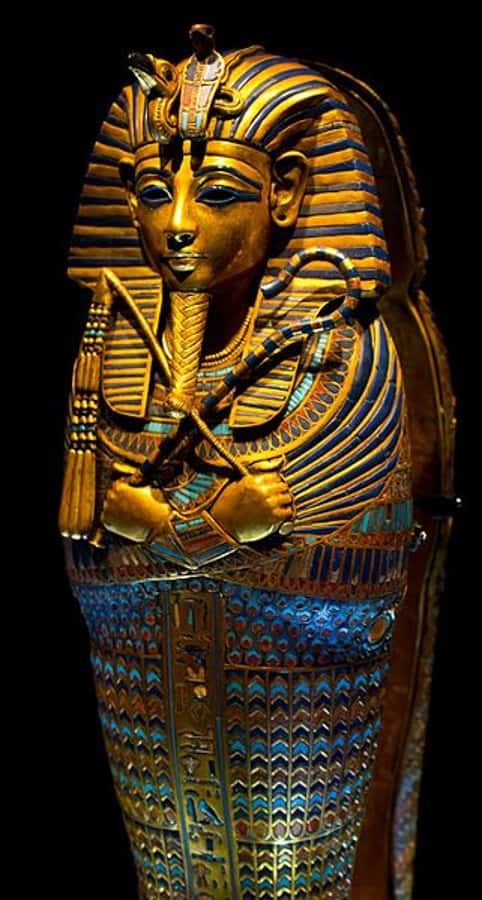
- Tutankhamun’s tomb treasures up close, including gold and jewelry that were entombed for over 3,500 years
- Hotel pickup and drop-off for both convenience and stress-free museum entry
- Old, Middle, and New Kingdom coverage so you get chronological context, not random wandering
- Pacing that can include small crowd-smart choices, depending on your guide’s approach
Why the Egyptian Museum is worth paying for (even if you love museums)

Cairo’s Egyptian Museum can feel legendary in the way a building full of history should feel. The museum isn’t just one or two rooms of famous objects. It’s a warehouse of real, verifiable finds—over 250,000 genuine artifacts—and that scale is exactly why a guided highlights route matters.
When you go on your own, you’ll likely do one of two things. Either you bounce from room to room with no clear story, or you pick a few favorite displays and miss the bigger picture. With an Egyptologist guide, the tour gives you a framework. You don’t just see artifacts; you understand why they’re there and how they connect across time.
And yes, the reason most people book this is the same reason the museum has a global reputation: the Tutankhamun treasures. Seeing gold that was entombed for more than 3,500 years is one thing. Understanding what that burial meant and what it represents in the broader sweep of Ancient Egyptian history is what makes it stick.
You can also read our reviews of more tours and experiences in Egyptian Museum Of Antiquities.
Hotel pickup and the air-conditioned transfer advantage
This is a private tour, which means the experience starts before you ever step into the galleries. Your pickup is included from your Cairo or Giza hotel, with transportation handled as part of the package. That matters in Cairo, where traffic and timing can turn a “simple museum trip” into a headache.
Instead of figuring out entry times, negotiating rides, or losing time to logistics, you get delivered to the museum and brought back afterward. The schedule stays tight and predictable for a four-hour window, which helps if you’re juggling other Cairo plans like pyramids or a Nile cruise.
A practical note: you’ll want to be ready at pickup time. With private tours, the day moves at your guide’s pace, not at the pace of random museum ticket lines.
The 4-hour route: how the museum highlights work in real life
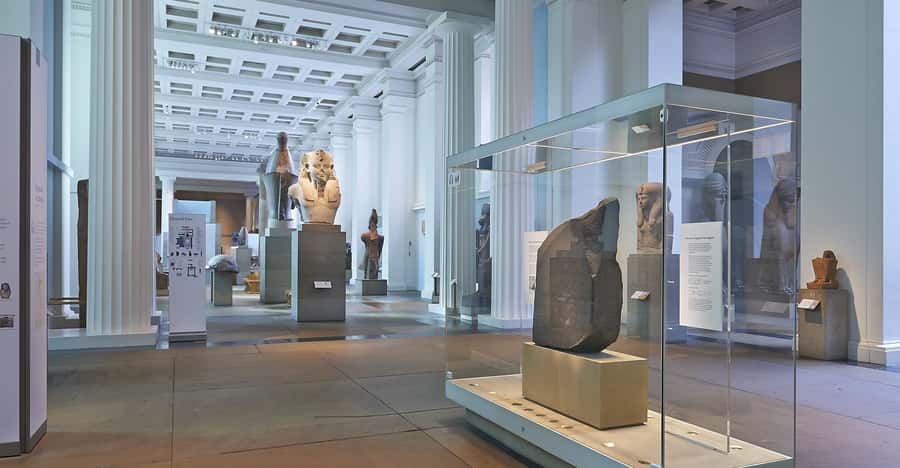
On paper, four hours sounds short. Inside the museum, it’s actually a workable chunk of time—if you focus on the right displays. This tour is built around the idea that you’ll see the most important collections without getting trapped in endless display loops.
Here’s what you should expect from the experience flow:
1) Orientation and key collections
Your Egyptologist guide leads you through major displays spanning the Old, Middle, and New Kingdom periods. This isn’t just trivia. It helps you notice how styles, materials, and symbolism shift over time. That “chronology effect” is a big reason guided tours feel more rewarding than self-guided wandering.
2) The major centerpiece rooms
Once you hit the museum’s most famous highlights, the tour becomes more visual and less abstract. This is where the scale of the museum starts to feel manageable because your guide is steering you toward the objects that anchor the story.
3) Tutankhamun treasures focus
The tour includes time for the treasures from King Tutankhamun’s tomb, including gold and jewelry. These items were enclosed in his tomb for over 3,500 years and were discovered during excavations in the 1920s. That timeline isn’t just a fun fact—your guide can help you see the human reason behind the craftsmanship and the burial purpose.
4) Return transfer to your hotel
After the highlight route, you’re sent back to your accommodation. That makes your day easier to plan. You won’t be stuck trying to guess how long the museum will take you or how you’ll get home.
Old, Middle, and New Kingdom context: why chronology is the secret sauce
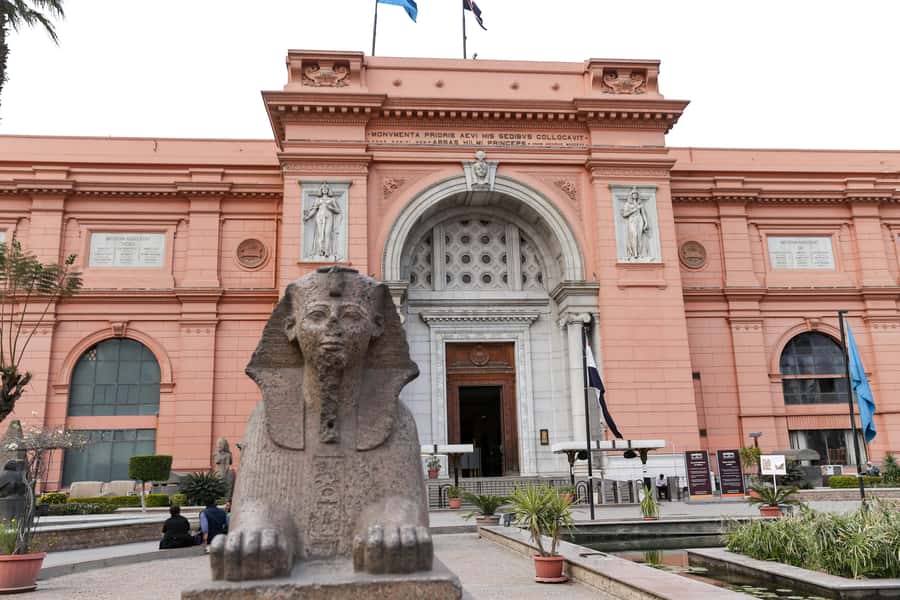
One of the best parts of this tour is the way it doesn’t treat the museum like a random collection of cool objects. It organizes what you see around time periods—Old Kingdom, Middle Kingdom, and New Kingdom.
That chronological approach helps you do something simple but powerful: connect the display to a bigger pattern. You’ll be better able to tell whether an object is meant to project power, preserve identity, support religious belief, or mark social status. Without that framing, it’s easy to treat ancient artifacts as standalone art pieces.
I also like that the tour doesn’t pretend you’ll learn everything. It’s built for a realistic four-hour visit. The goal is to give you a map of what matters and a story you can carry into any future museum time you choose.
Tutankhamun’s gold and jewelry: what you should actually look for
It’s hard to overstate how striking the Tutankhamun treasures are. The museum doesn’t just show you jewelry; it shows you what a royal burial could include—and why those items were meant to last.
Since this tour specifically highlights the gold and jewelry from his tomb, you should use that time actively. Look for:
- Material and workmanship: gold isn’t just shiny; the craftsmanship matters.
- Purpose clues: burial objects tend to be designed for protection, identity, and ritual meaning.
- The sheer survival story: objects enclosed for over 3,500 years don’t just sit there; they represent a long chain from burial to discovery in the 1920s.
Your guide’s role here is to slow your brain down and give you context, so the displays don’t become one more museum room with a camera photo at the end.
If you’re lucky with your guide, you may get even more detail. In past tours with this style of service, I’ve seen Egyptologists who can read hieroglyphs and help you connect inscriptions to the objects’ themes. If that’s what you want, don’t be shy about asking what a specific display says.
Private pacing and crowd-smart route choices
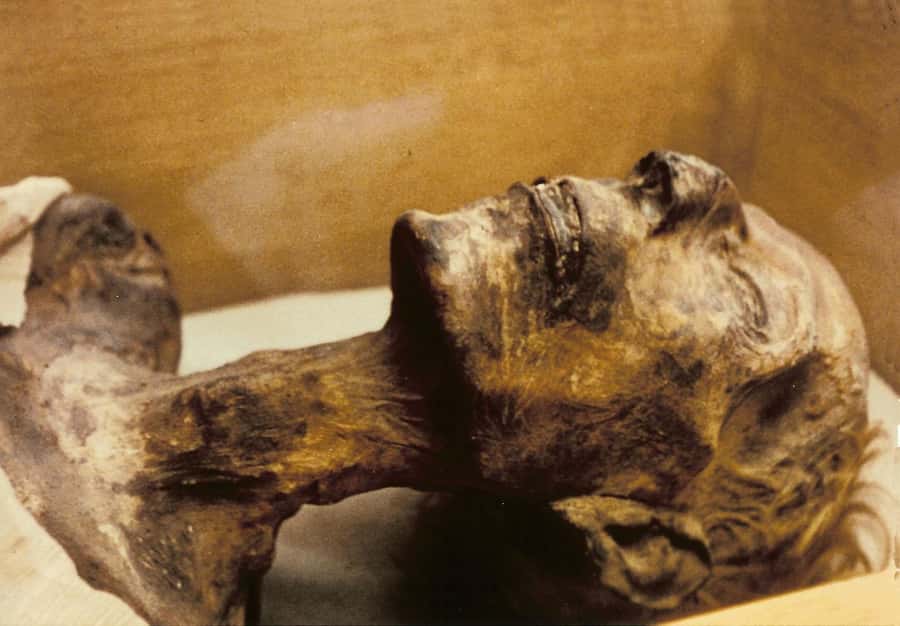
The Egyptian Museum can be busy. The good news is that a private guide can adjust the route and timing in ways a self-guided visit can’t.
Some guides build their walkthrough around practical pacing, helping you avoid the worst bottlenecks. Others also adjust based on what you care about most. That’s why private tours can feel less stressful, even when the museum itself is crowded.
You can also get a useful rhythm from a guided highlights visit: you’ll have clear moments where you stop for context, then clear moments where you’re allowed to look longer. One of the better reviews notes that the pacing hit the major pieces while still leaving time to wander a bit. That’s exactly what you want from a four-hour format.
Price and value: what $60 per person buys you

At about $60 per person for a private four-hour experience with entrance fee and transportation included, this isn’t a “cheap and cheerful” museum run. It’s priced for convenience plus expert guidance.
Here’s the value logic that makes sense:
- You’re paying for an Egyptologist guide, not just a driver.
- You’re paying for hotel pickup and drop-off, which saves time and reduces Cairo logistics friction.
- You’re paying to focus your limited time on the museum’s highest-impact rooms.
If you’re the kind of traveler who would otherwise spend hours trying to plan which rooms to hit, this tour can actually be cost-effective. You pay once and get a guided route that reduces guesswork. If you’re planning multiple activities in Cairo, that time savings is worth real money.
If you already know the museum well and you’re comfortable planning your own route, you might not need the guide. But for most first-time visitors, paying for a structured highlights visit is the faster path to satisfaction.
What’s included, what’s not, and the one thing to bring
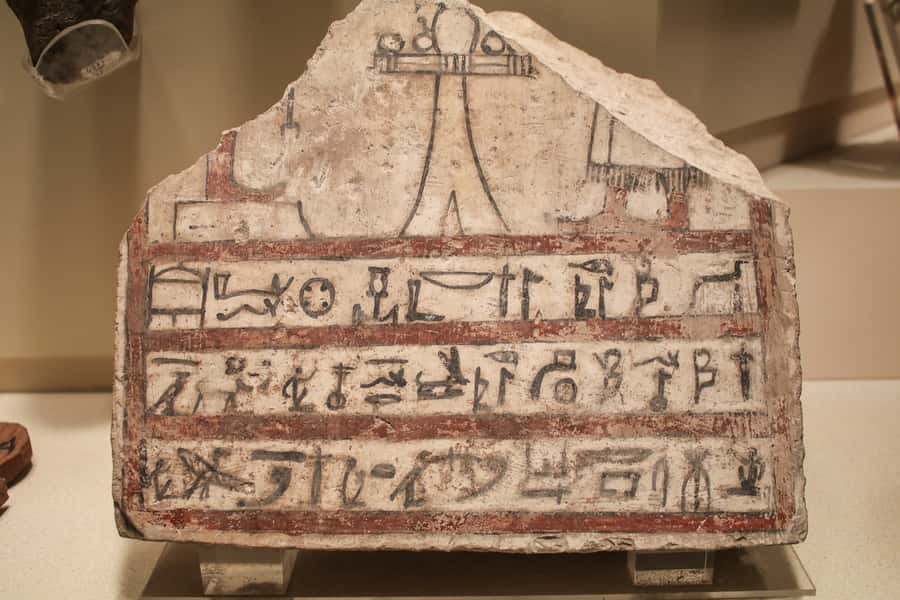
Included in the price:
- Egyptologist guide
- Entrance fee
- Transportation (hotel pickup and drop-off)
- Taxes and service charges
Not included:
- Personal expenses
You should also plan for these practical items:
- Bring cash.
- Tips are not included in the price.
That last point matters because it changes how you budget. If you like giving tips directly to your guide, set aside some cash ahead of time so you’re not doing last-minute searching inside the museum area.
The one potential disappointment to watch for: mummy-room expectations
A four-hour highlights tour can’t promise every single room. One common point of friction with museum tours is expectation mismatch—especially around the mummy-focused rooms.
In at least one past experience, a visitor felt the guide did not highlight a room connected with mummies. If mummy displays are part of your must-see list, ask your guide early in the visit which mummy-related chamber you’ll cover and where it fits into the route.
Think of it like this: you’re buying a path, not a guaranteed checklist of every display. A good guide can adapt, but you’ll get the best outcome if you speak up about the rooms you most want.
Language choices: making sure you get the explanations you want
The tour offers a live guide in English, French, German, Italian, and Spanish. This is a real quality factor, not a small detail.
If you want explanations to land—names, symbols, and chronological links—choose the language that lets you ask follow-up questions comfortably. Even a short clarification can turn a photo into understanding.
Who should book this tour?
This private Egyptian Museum tour is a strong fit if:
- You want the key artifacts without spending half your day planning.
- You like museums, but you prefer your time guided into the highlights.
- You’re curious about the big chronological story from the Old, Middle, and New Kingdom periods.
- You value convenience and want hotel transfers handled for you.
It might not be the best match if:
- Your goal is to see every single room and display. Four hours will not cover everything.
- You want a fully flexible museum day where you pick and choose every stop on the fly.
Should you book this Egyptian Museum private tour?
I’d book it if you’re visiting Cairo with limited time and you want your museum visit to feel focused, clear, and satisfying. The best part is the combination: Egyptologist guidance plus a realistic highlights route plus hotel transfers that keep the day from turning chaotic.
Skip it or reconsider if you have plenty of time, already know the museum layout, and plan to wander. In that case, you might enjoy a self-guided visit more.
If you’re on the fence, here’s the simple decision rule: if you want Tutankhamun’s treasures and a guided story to connect them to the broader timeline, this tour is built for you.
FAQ
How long is the Egyptian Museum private tour?
The tour is a 4-hour visit to the Egyptian Museum, including transfers to and from your hotel.
Is hotel pickup and drop-off included?
Yes. Pickup is included from your Cairo or Giza hotel, and you’re transferred back at the end of the tour.
What’s included in the price?
The price includes an Egyptologist guide, entrance fee, transportation, and taxes and service charges.
What languages are available for the guide?
The live tour guide is available in English, French, German, Italian, and Spanish.
Do I need to bring cash?
The activity asks you to bring cash.
Are tips included?
No. Tips are not included in the price.
Can I cancel for a full refund?
Yes. You can cancel up to 24 hours in advance for a full refund.