REVIEW · ASWAN
Abu Simbel Temples from Aswan
Book on Viator →Operated by Nile Holiday · Bookable on Viator
Two temples and a desert road worth the mileage. This private Abu Simbel trip from Aswan gives you a smooth, air-conditioned ride, an Egyptologist-led visit, and a rare look at temples built for Ramses II when Egypt’s power reached far south. I especially like the contrast between the colossal Great Temple and the more intimate Hathor sanctuary—and I like that the driver and guide handle the practical stuff while you focus on the sight. One drawback to plan for: you’ll get guided explanations mostly outside the temples, since guides can’t lecture inside, so the in-temple time can feel short.
You’re in Nubia’s deep-south territory, near the Sudanese border, so the day has that far-from-everything feeling. Still, it’s not a wild expedition: you’re picked up from your Aswan hotel or Nile cruise boat, you have bottled water, and you come back the same day with drop-off at your starting point.
In This Review
- Key Points at a Glance
- Abu Simbel From Aswan: A Desert Day With Real Payoff
- Getting There in Comfort: Pickup, Drive Time, and What to Expect
- Great Temple of Ramses II: Colossi, Carvings, and the Real Timing of the Visit
- Temple of Hathor and Queen Nefertari: A Smaller Stop With Powerful Symbolism
- Lake Nasser Rescue: Why Abu Simbel Had to Be Saved
- Price and Value: What $89 Really Buys You
- Guides, Explanations, and How to Get More From the Limited Inside Time
- What the Day Feels Like: Flow, Stops, and Where the Time Goes
- Who Should Book This Abu Simbel Tour (and Who Might Skip It)
- Should You Book This One? My Practical Verdict
- FAQ
- How long is the Abu Simbel day trip from Aswan?
- Is hotel pickup and drop-off included?
- Is this tour private?
- Are entrance fees included in the $89 price?
- What’s included during the tour besides the temples?
- What temples do you visit?
- Do I need to send passport information in advance?
- How far in advance should I book?
- Can I cancel for a full refund?
Key Points at a Glance
- Private means your own party with a guide/driver and no constant shuffling with strangers.
- 9 hours total keeps the trip serious, but still doable for most people.
- Great Temple first gives you the dramatic colossi and the sunken interior carved into the mountain.
- Hathor Temple is quick and elegant, with the statues of Queen Nefertari front and center.
- Entrance fees are not included, so budget for at least the Great Temple ticket.
- Best value comes from going with your questions ready—the guided time inside can be limited.
Abu Simbel From Aswan: A Desert Day With Real Payoff
Abu Simbel isn’t a quick add-on. It’s a long ride south, and that’s exactly why it feels special. From Aswan, the drive is almost 3 hours each way, threading through southern desert scenery and the region shaped by the dammed Nile. When you finally arrive, the temples don’t feel like a stop on a list. They feel like a destination.
What makes this day trip work is the format. You’re not doing a self-guided scramble. You’re taking a private vehicle, with pickup from your hotel or Nile cruise boat, bottled water on board, and a qualified Egyptologist guiding you through the site. For a trip to a remote place, that structure is comfort and confidence.
That said, you should mentally accept the pace: it’s a full day, not a slow museum stroll. If you hate long car time, you’ll feel it. If you like big monuments and don’t mind desert roads, you’ll feel right at home.
You can also read our reviews of more tours and experiences in Aswan.
- 4-Days Nile Cruise From Aswan To Luxor including Abu Simbel and Hot Air Balloon
★ 5.0 · 3,142 reviews

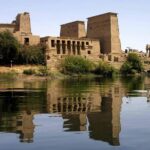
Getting There in Comfort: Pickup, Drive Time, and What to Expect
This tour is built around logistics: pickup, one vehicle, then straight to the temples. You’ll be collected from your Aswan hotel or Nile River cruise boat, and then you ride in a private air-conditioned vehicle. The time commitment is set: about 9 hours total, with roughly 3 hours of driving before you even step into the archaeological area.
A few practical notes that matter:
- Bring patience for the ride. Abu Simbel is far south. The payoff is the scale once you arrive.
- Use the water. Bottled water is included, and desert days tend to drain energy fast.
- Think about departure options. The tour offers several departure times when you book, and timing can change the feel of your visit at the temples.
One thing I really like about this setup is that it’s private. You get a guide and driver in your orbit, not a revolving door. That tends to reduce stress—especially when you’re far from the usual tourist circuit.
Great Temple of Ramses II: Colossi, Carvings, and the Real Timing of the Visit
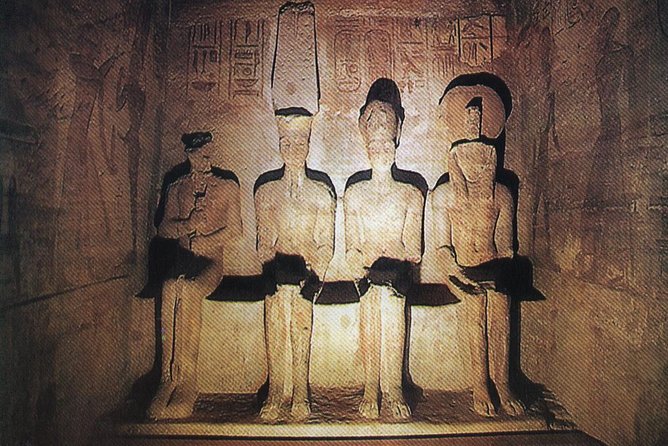
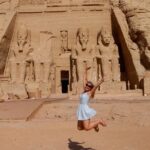
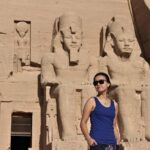
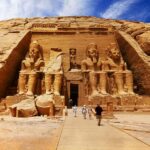
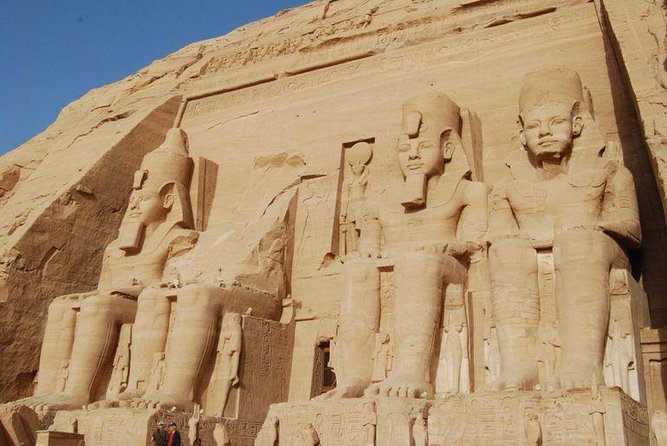
The Great Temple is why most people make the trip. It’s the larger of the two sites at Abu Simbel, dedicated to Amun Re and Ra-Horakhty, and it’s tied directly to Ramses II’s power and propaganda machine. The façade is dominated by the famous colossal statues of Ramses II, with four enormous figures that sit high above the desert.
Here’s what makes this stop memorable:
- You’ll hear a guided lecture outside the temples before you go in.
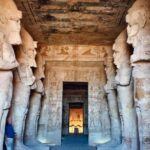
- Then you’ll have time to explore the interior, where the temple “sinks” about 200 feet (60 meters) into the mountain.
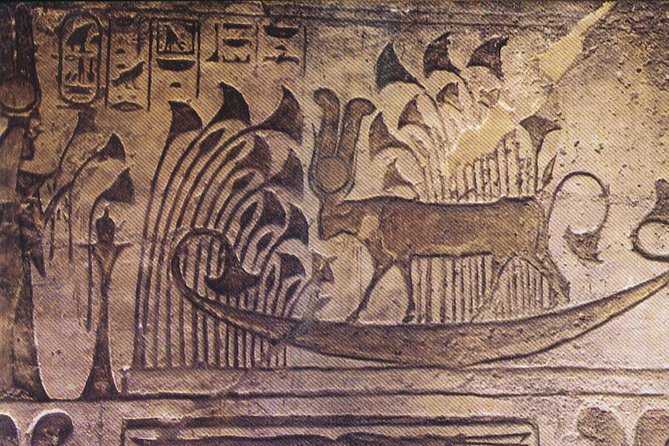
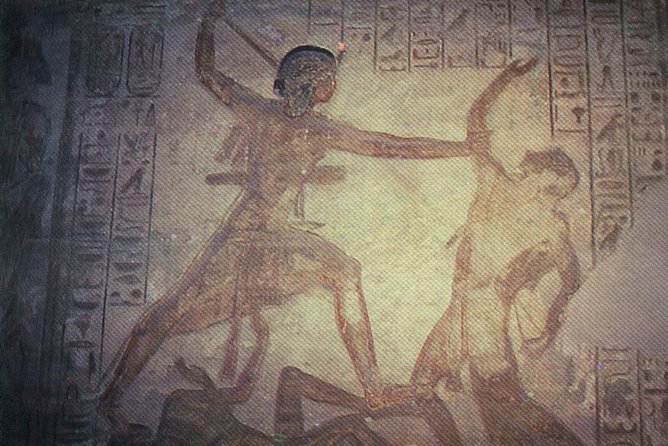
- Inside, you’ll see carvings tied to Ramses II’s military victories and captives, plus figures and scenes aligned with the gods.
Now, the honest consideration. Due to rules at Abu Simbel, guides aren’t allowed to give their main commentary inside the temple rooms. That means your most detailed storytelling time can be limited to the period right before you enter. In practice, some people find this short window frustrating, especially if they enjoy a slow, back-and-forth conversation.
So here’s how to make it work for you:
- Write down 3 questions before you arrive (for example: why Ramses is shown in a particular way, or how the mountain carving was planned).
- Listen hard during the outside lecture, then use your in-temple time to spot the features your guide highlighted.
- If you’re a photography person, do quick framing early. In-temple time can move faster than you expect.
This is one of those sites where you don’t just look—you read. The carvings and statues function like a stone script. When you know what you’re seeing, it lands harder.
Temple of Hathor and Queen Nefertari: A Smaller Stop With Powerful Symbolism
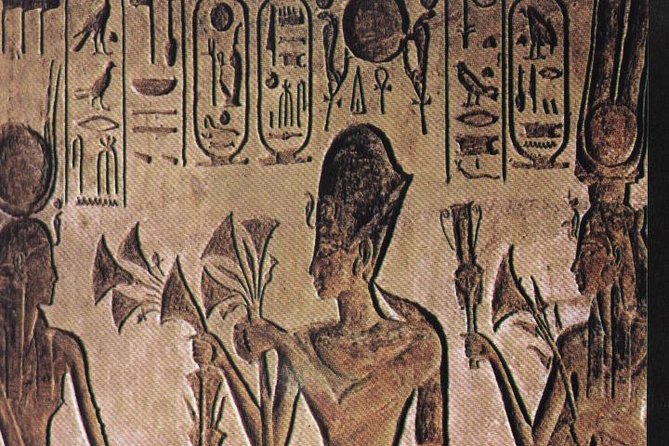
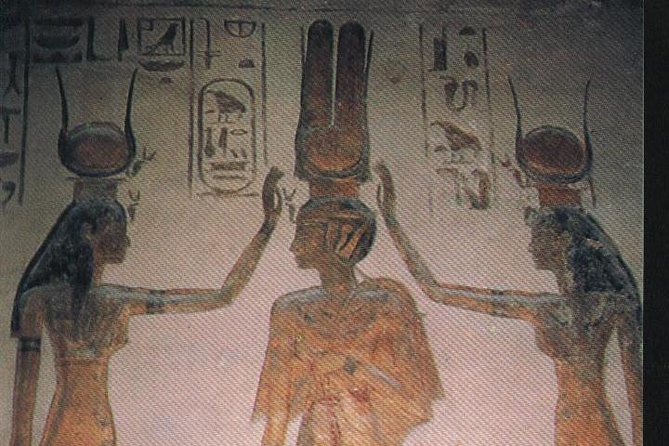
After the Great Temple, you’ll walk to the Temple of Hathor, dedicated to the cow-headed goddess and built in honor of Ramses II’s wife, Queen Nefertari. If the Great Temple screams royal authority, Hathor’s temple feels more personal—still grand, but aimed at the couple’s story and divine favor.
Even though it’s shorter, it’s not a throwaway. The façade includes six massive statues, each about 10 meters high, standing in front of the temple. That alone is enough to make your eyes do a reset after the Great Temple’s scale.
You’ll also get context for the relocation story here, because the Hathor temple and the entire complex were part of the massive engineering rescue in the 1960s. That’s where Abu Simbel’s modern history becomes part of the experience, not a separate topic you read later.
If you’ve ever visited a monument and thought, how did they even manage this, Abu Simbel answers that question with a yes—and with receipts.
Lake Nasser Rescue: Why Abu Simbel Had to Be Saved
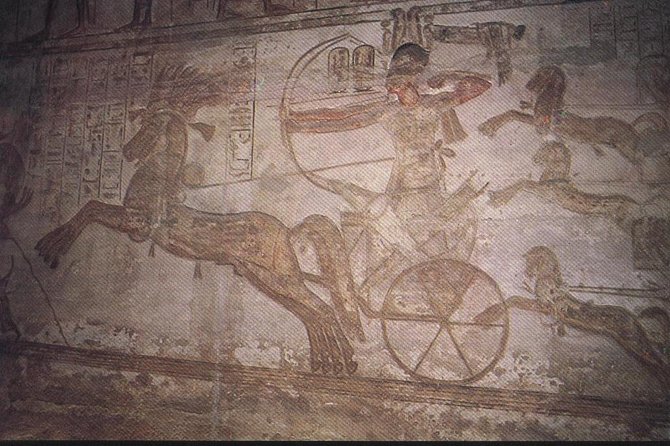
The Abu Simbel story has a second life. Between 1964 and 1968, the entire site was carefully cut into large blocks, lifted, and reassembled at a new location 65 meters higher and about 200 meters back from the river. Some blocks weighed up to 30 tons, with an average around 20 tons.
This matters for your visit because it changes how you interpret what you’re seeing. You’re not just viewing ancient planning and artistic ambition. You’re also seeing how modern engineering stepped in when the waters of Lake Nasser threatened the site.
You may hear details like:
- structures saved from under the waters of Lake Nasser
- dismantling into blocks, then reassembly in a new spot
That context adds weight to every carved surface. It turns the temples into a message that survived both time and a manmade catastrophe.
- 4-Days Nile Cruise From Aswan To Luxor including Abu Simbel and Hot Air Balloon
★ 5.0 · 3,142 reviews

Price and Value: What $89 Really Buys You
The price here is $89 per person, for a day trip around 9 hours long. On paper, that might seem simple—until you think about what’s included.
From the tour details you get:
- pickup and drop-off from Aswan (hotel or cruise boat)
- private air-conditioned transportation
- a qualified Egyptologist guide
- bottled water
- service charges and taxes
What’s not included is entrance fees. The Great Temple stop notes admission ticket handling, while the Hathor Temple is listed as admission free. So your likely pay-at-the-door expense is tied to the main temple complex.
Is it a good value? For Abu Simbel, yes, especially if you’re traveling with limited tolerance for uncertainty. Getting to a remote, far-south UNESCO site without stress is often where this kind of tour pays for itself—time, navigation, and on-the-ground expertise are expensive in the moment.
If you’re the type who likes to organize everything yourself, you could DIY it. But for most people, private transport plus an Egyptologist is the easier path to a more meaningful visit, not just a longer one.
Guides, Explanations, and How to Get More From the Limited Inside Time
This is one of those tours where the guide’s role is strong, but the temple rules shape the experience. People have praised guides for being friendly and proud of their heritage, and for keeping the experience smooth—especially around the site’s vendor pressure.
I’d treat vendor management as part of the value. A good guide can:
- help you not get hassled
- help you understand what is worth looking at
- keep the visit flowing so you don’t lose your focus
There’s also a language factor. Some reports mention guides speaking German very well, which can matter if you’re not fluent in English. If language comfort is key for you, check what guide languages are supported at booking time.
And about the in-temple time: you may only get a short window of guided talk right before entry because guides aren’t allowed to lecture inside. That’s why it helps to arrive mentally ready. Think of the outside lecture as your decoder ring. Then you use your own eyes inside to match what you heard to what you see.
What the Day Feels Like: Flow, Stops, and Where the Time Goes
Here’s the basic rhythm you’ll live:
- pickup in Aswan
- drive almost 3 hours south
- Great Temple visit with outside lecture and time inside
- transition walk to Hathor Temple
- drive back to Aswan for hotel or cruise drop-off
Stop 1 is the heavy hitter. It’s where you see the colossal statues, hear the main context, and go inside the sunken interior carved into the mountain. It’s also the part most people remember clearly, because it’s the most dramatic blend of scale and symbolism.
Stop 2 is shorter, but it gives the story another angle: Queen Nefertari’s temple, Hathor’s divine link, and the six giant statues framing the sanctuary. Even at 30 minutes, it can feel like more than a quick photo stop if you take a moment to look up at the façade and then down at the details.
If you want a smoother day, plan for fatigue. A day like this can feel longer than 9 hours once you add desert heat and the excitement of arriving. Pace yourself: sip water, take your time inside, and don’t try to “speed-run” every photo.
Who Should Book This Abu Simbel Tour (and Who Might Skip It)
This tour fits best if you want:
- a private experience without logistical stress
- an Egyptologist guide at a remote site
- time-efficient sightseeing in about 9 hours
It’s also a strong choice if you’re on a cruise based in Aswan. A day trip like this can be the one big excursion you plan, and it gives you structure.
I’d think twice if:
- long car time feels miserable for you
- you’re hoping for a deep, ongoing conversation inside the temples (you won’t have much of that due to guide restrictions)
- you only want photos and don’t care about context
The good news: Abu Simbel is so visually dominant that even without a long inside lecture, you’ll still get awe. But if you care about understanding what you’re seeing, the guide’s outside lecture becomes extra important.
Should You Book This One? My Practical Verdict
If you’re choosing between doing Abu Simbel on your own and taking a guided private day trip, I’d lean toward booking this type of tour—especially at this price point. You’re paying for the combination of private transport, a qualified Egyptologist, and the fact that the trip is far south and needs coordination.
The biggest “watch-out” is not the drive or the time. It’s expectations about guidance inside the temples. If you can accept that the main commentary happens outside and treat your in-temple time as your own visual reading session, you’ll leave happy and not annoyed.
One final tip: choose a departure time you think will help you. There are different departure options, and timing can affect how crowded things feel when you arrive. Even a small change in timing can turn the visit from hectic into calm.
FAQ
How long is the Abu Simbel day trip from Aswan?
It runs for about 9 hours (approx.). The drive is almost 3 hours each way, so the schedule is centered on travel time plus temple visits.
Is hotel pickup and drop-off included?
Yes. You get pickup from your Aswan hotel or Nile River cruise boat, and your day ends with drop-off at your hotel or cruise ship.
Is this tour private?
Yes. It’s described as a private tour/activity, so only your group participates, with a guide/driver.
Are entrance fees included in the $89 price?
No. The tour includes transport, the Egyptologist guide, and service charges, but entrance fees are not included. The Great Temple notes admission ticket not included, while the Hathor Temple is listed as free.
What’s included during the tour besides the temples?
You’ll have all transfers by private air-conditioned vehicle, bottled water during the tour, and a qualified Egyptologist tour guide. Service charges and taxes are also included.
What temples do you visit?
You visit the Abu Simbel Temple Complex (including the Great Temple of Ramses II) and then the Temple of Hathor dedicated to Ramses II and Queen Nefertari.
Do I need to send passport information in advance?
Yes. The tour asks for a photocopy of all travelers’ passports, sent max. 48 hours before the travel date.
How far in advance should I book?
On average, this experience is booked about 183 days in advance, so if your dates are set, earlier is usually safer.
Can I cancel for a full refund?
Yes. Free cancellation is allowed up to 24 hours in advance of the experience start time for a full refund. Canceling less than 24 hours before start won’t be refunded.
You Might Also Enjoy

More Tour Reviews in Aswan
- 4-Days Nile Cruise From Aswan To Luxor including Abu Simbel and Hot Air Balloon
★ 5.0 · 3,142 reviews