REVIEW · CAIRO
9 Days Egypt Tour to Cairo, Nile cruise, Abu Simbel and Balloon
Book on Viator →Operated by Bastet Travel · Bookable on Viator
Pyramids, then balloons over Luxor. This 9-day package strings together Cairo, a hot air balloon morning in Luxor, and a four-night Nile cruise down to Aswan, with Abu Simbel included and an Egyptologist guide at key stops. I love how the cruise handles a lot of the travel fatigue while still getting you to major temples, and I love that the balloon ride is built into the schedule. One consideration: you’ll have early starts and a couple long rides, including overnight trains, so it’s not a slow, lazy trip.
You’ll also get real convenience from door-to-door transfers (airport or hotel in Cairo), plus 5-star stays in Cairo and on the cruise. In past trips, guide names like Mohamed (Upper Egypt) and Mustafa (Cairo and Alexandria) have shown up, which matches the tour’s promise of an in-person guide and helps explain why the experience feels organized rather than chaotic.
In This Review
- Key things I’d circle on this itinerary
- Landing in Cairo: pickup that keeps your day from falling apart
- Giza Day: Pyramids, Valley Temple, and Great Sphinx in one efficient run
- Overnight train to Luxor: moving long distances while you sleep
- Luxor’s East Bank temples: Karnak plus Luxor Temple, then cruise check-in
- Valley of the Kings and a hot air balloon: Luxor’s sunrise double feature
- Hatshepsut at Deir el-Bahari and the Colossi of Memnon: two stops with different vibes
- Edfu by horse and carriage, then Kom Ombo at sunset
- Abu Simbel at 5 a.m.: the detour with real payoff
- Aswan’s High Dam and Philae Temple: a full cultural day after cruise time
- Back to Cairo: hotel reset and optional add-ons
- Price and value: what $1,590 covers, and what to watch for
- Practical tips from how this tour runs: guides, WhatsApp, and pacing
- Who this tour is best for
- Should you book this 9-day Cairo and Nile cruise with balloon and Abu Simbel?
- FAQ
- What is the price of the tour?
- How long is the tour and how many nights are included?
- What accommodations are included?
- Are meals included?
- Is the hot air balloon ride included?
- Do I travel with an Egyptologist guide?
- Does the itinerary include Abu Simbel?
- Are train tickets between Cairo and Luxor included?
- Is tipping included in the tour price?
Key things I’d circle on this itinerary
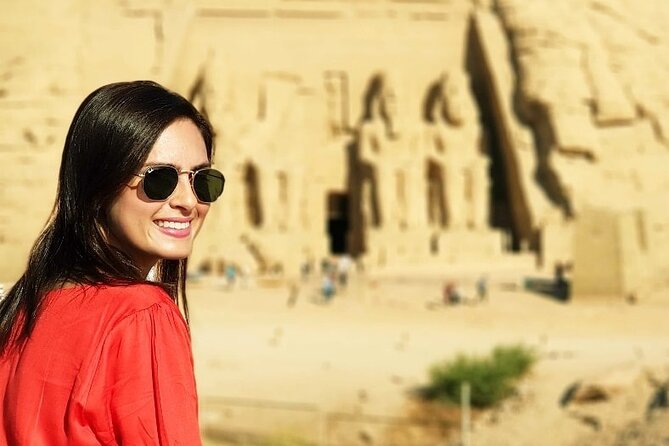
- Giza’s trio: Great Pyramids, Valley Temple, and the Sphinx, plus good photo time
- Luxor at sunrise: a hot air balloon ride paired with Valley of the Kings and west bank temples
- Nile cruise flow: Edfu and Kom Ombo temples spaced across cruising days (not all packed into one day)
- Abu Simbel at 5 a.m.: early start, then back to Aswan for downtime and an evening market
- Aswan by boat: Philae Temple reached by motorboat from the island area
- Private-group feel: you travel as your group only, not mixed into a big crowd
Landing in Cairo: pickup that keeps your day from falling apart
Day 1 starts the way you want a big Egypt trip to start: you land at Cairo International Airport and a representative meets you with a sign by your name. The service is described as running any time round the clock, and you’re also set up for door-to-door transfers from the airport to your Cairo hotel.
I like the practical framing here. Instead of you wandering Cairo airport while waiting for instructions, you get oriented early, then you’re in a hotel overnight with the first proper touring day ready to go.
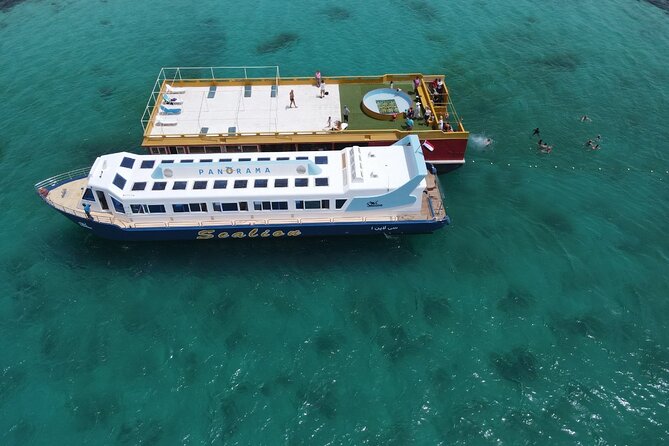
You can also read our reviews of more boat tours in Cairo



Giza Day: Pyramids, Valley Temple, and Great Sphinx in one efficient run
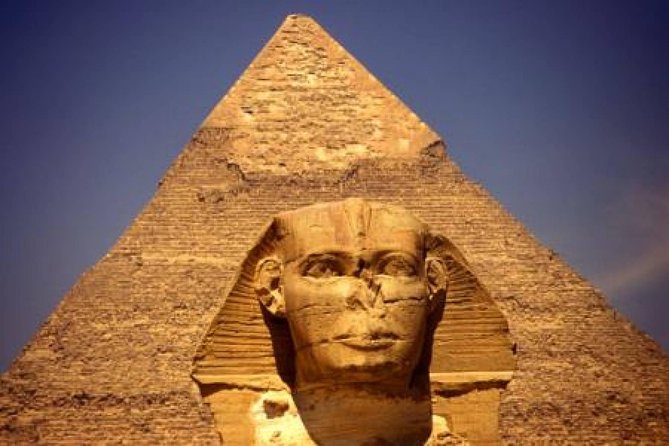
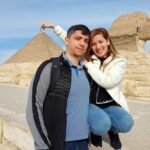
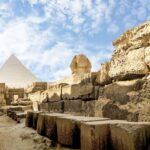
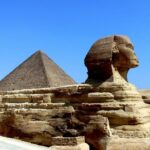
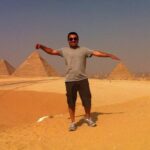
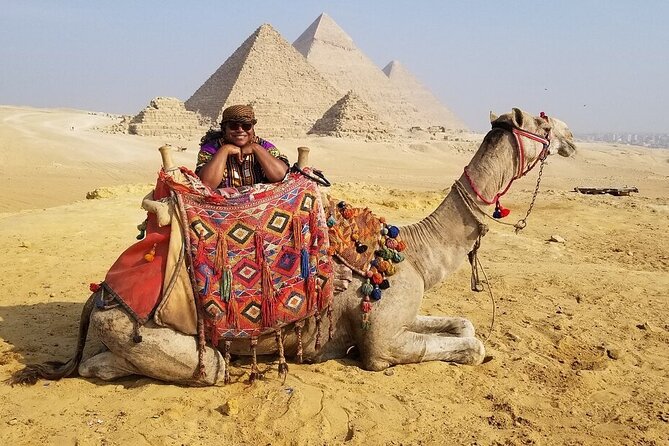
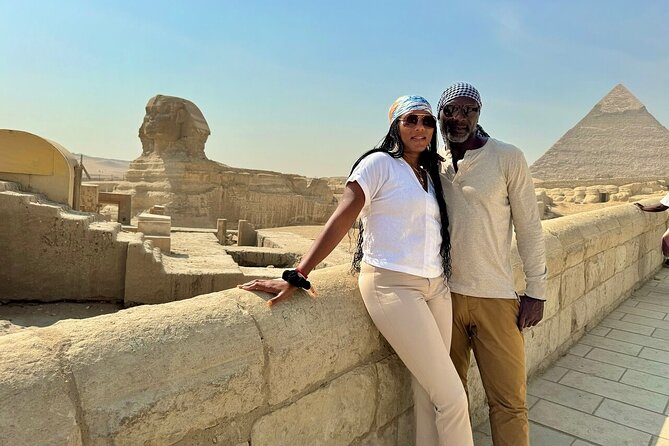
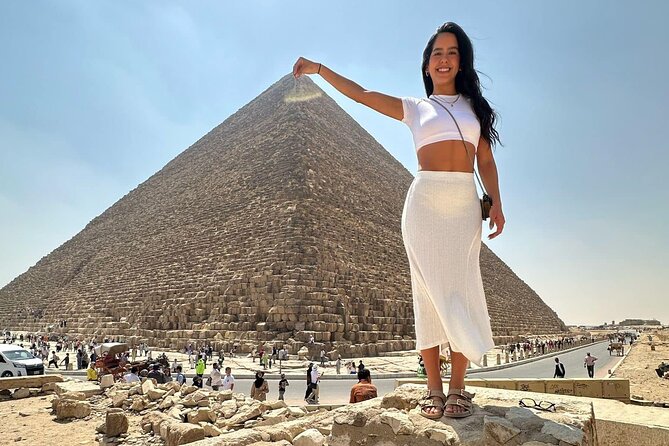
On Day 2, you drive to the Giza plateau area with an Egyptology guide. The core hits are the three Great Pyramids, the Valley Temple (called one of the most complete temples), and then the Sphinx, the legendary statue with a human head and lion body.
What makes this more than just check-the-box sightseeing is the sequence. You see the pyramids first, then the Valley Temple, then move to the Sphinx area. That pacing gives you variety in architecture and viewpoint, and it makes it easier to take photos without feeling like you’re stuck in a single location all morning.
A small note: this is also the day before you travel by train to Luxor, so the schedule is active. You’ll likely want comfortable shoes, and you’ll want to be ready for a full sightseeing block rather than a casual stroll.
Overnight train to Luxor: moving long distances while you sleep
After the Giza day, the itinerary shifts into travel mode: you go in the evening for your night train to Luxor and arrive to begin Luxor touring the next day. This is a smart trade when you have limited time, because it turns a transit window into rest time.
The tour includes round A/C first class seated train tickets and notes that sleeping train tickets are available with an extra $200 per person. That means you can decide how much you want to pay for comfort. If you hate waking up during night movement, the sleeping option could be worth it; if you’re a light sleeper, you’ll still probably need to treat this as a travel day, not a full recovery day.
Luxor’s East Bank temples: Karnak plus Luxor Temple, then cruise check-in
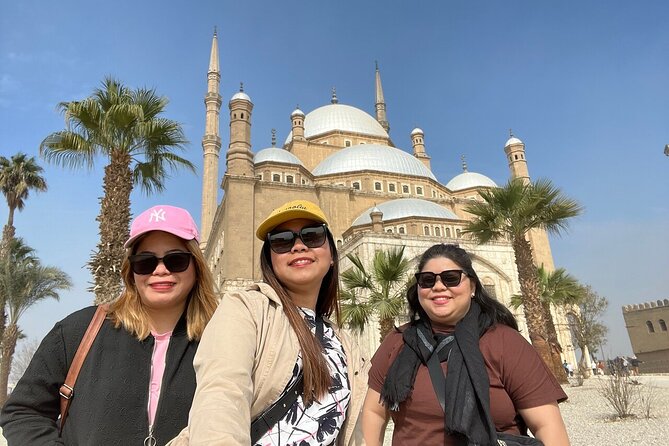
Day 3 is all about Luxor’s East Bank. You’re picked up from the Luxor train station, then guided through Karnak Temple (described as the largest temple complex) followed by Luxor Temple on the east side.
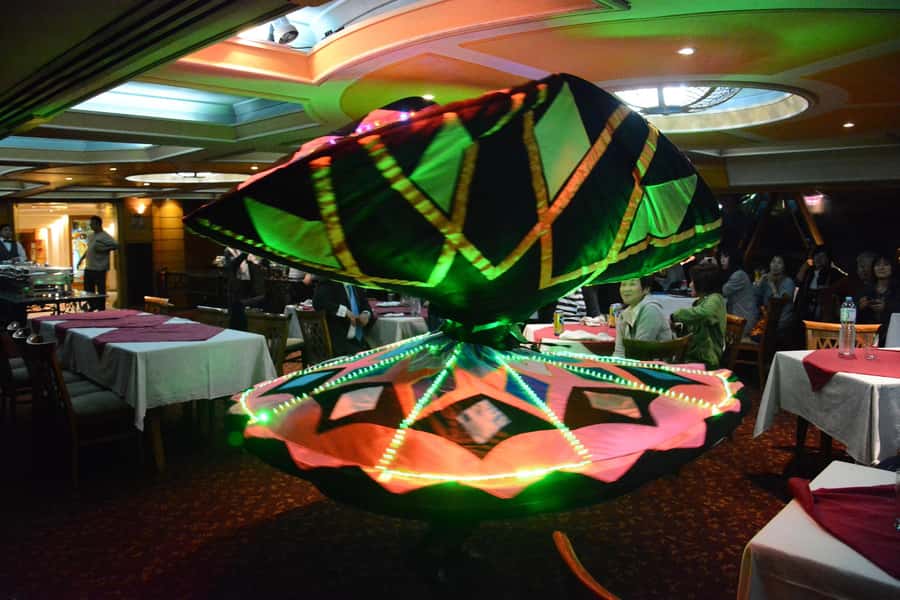
This is a good day to hit Karnak because it sets the story of how grand Egyptian temple building could be, and it’s also easier to process on the first full Luxor day. After the sightseeing, you check in to the cruise at lunch time, rest, and then have an evening onboard activity described as a disco party operated by the cruise staff.
I like that the day ends with a clear switch: temple time, then cruise time. It’s one of the reasons this itinerary works as a 9-day “highlights” trip without feeling like you’re rushing every hour.
Valley of the Kings and a hot air balloon: Luxor’s sunrise double feature
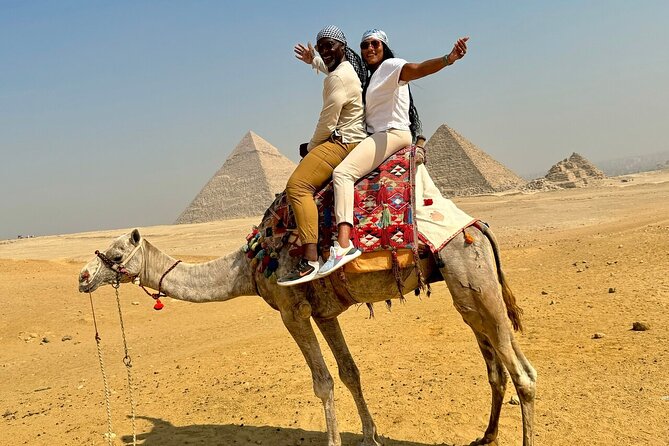
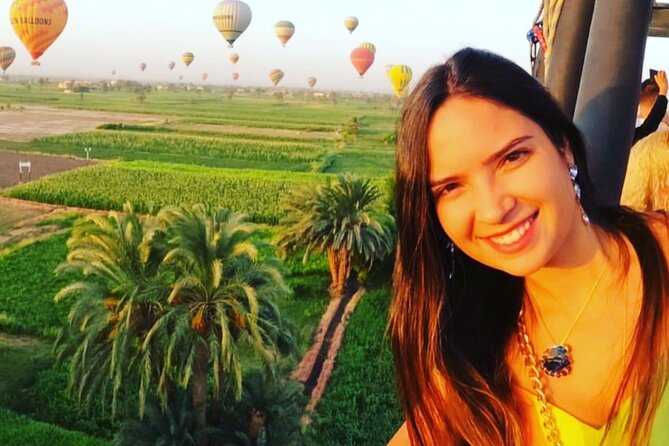
Day 4 is the day you’ll likely remember most clearly. You wake up early for a hot air balloon ride over Luxor, picked up from your cruise and transferred to the west bank area for the flight. The schedule describes the balloon start as being in the sky of the biggest open-air museum, and that idea matters: Luxor’s west bank is where the tombs and monumental remains cluster, so you’re visually seeing the region that archaeology turns into history lessons.
After the balloon ride, the itinerary continues right into the west bank touring: you visit the Valley of the Kings first, with the guide explaining the purpose of burial architecture and the famous tombs. Then you move on to Temple of Hatshepsut at Deir el-Bahari, and later you stop at the Colossi of Memnon.
Here’s the real value of stacking these three stops on the same day. Ballooning gives you the “big picture” of where everything is. Then the Valley of the Kings and Hatshepsut give you “why it was built” and “what it looked like,” close up. The Colossi of Memnon closes the loop by showing you monumental scale even after the living city has shifted.
If you’re the type who hates early wakeups, this is your only real hard sell. Balloon time is worth it, but you shouldn’t pretend it won’t change your sleep schedule.


Hatshepsut at Deir el-Bahari and the Colossi of Memnon: two stops with different vibes
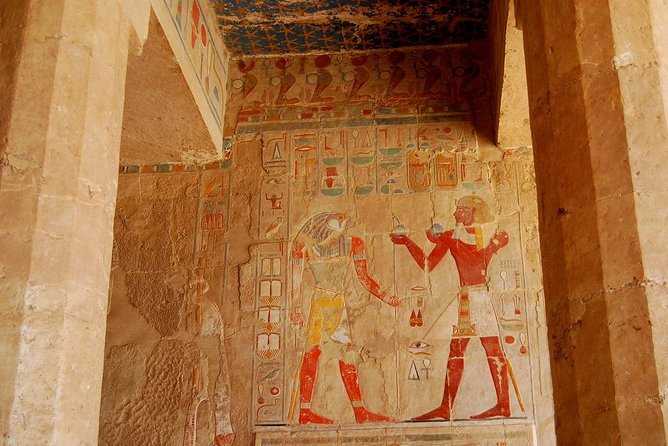
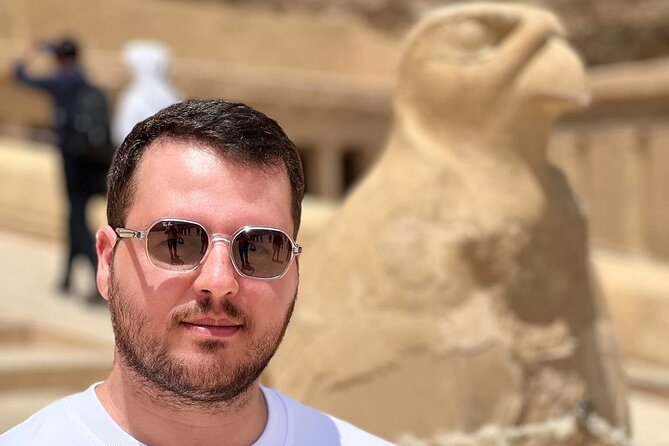
The Temple of Hatshepsut is described as a major architectural achievement and the mortuary temple built to honor Egypt’s female pharaoh. It’s also tied to a specific story in the itinerary: built by Hatshepsut and associated with Senenmut, and noted for its design that resembles classical Greek architecture much later.
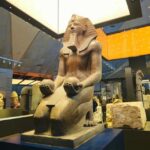
Then the Colossi of Memnon add a different flavor: two giant seated statues of Amenhotep III, carved from single blocks of sandstone. The itinerary notes their size and weight, and you’ll see them facing east toward the Nile River. It’s a practical stop because it’s short, but it’s also visually unforgettable.
Put simply: Hatshepsut is detail and meaning; Colossi is scale. Doing both in one day keeps the emotional rhythm from getting flat.
Edfu by horse and carriage, then Kom Ombo at sunset
Day 5 is where the tour starts to feel like a cruise vacation rather than nonstop land touring. You go to Edfu Temple, and the itinerary includes horse and carriage for that route. The tour calls Edfu Temple the most well preserved temple of ancient Egypt, and the carriage adds a more old-school way to travel within the temple-area approach.
After Edfu, you’re back on the cruise and continue sailing toward Kom Ombo. The itinerary describes stopping around sunset time to visit Kom Ombo Temple, and there’s a nice little cruise-life touch: you can have Egyptian tea onboard during sailing on the sun deck.
This is one of the best-balanced days on the whole trip. You get a major temple visit, then you get to slow down while moving by boat. And because you’re not doing everything at once, you’re more likely to feel like you’re seeing the Nile system, not just getting from A to B.
Abu Simbel at 5 a.m.: the detour with real payoff
Day 6 is the big early start: around 5 a.m., you head out to the Abu Simbel Temple Complex. The itinerary positions this as one of the most important sites in Egypt, and it’s not hard to see why. Even before you know the details, Abu Simbel is the kind of place that makes you understand why Egyptology trips put it on the list.
After the visit, you’re back to Aswan in time for lunch and some rest. The schedule also suggests evening free time for the local market of Aswan.
The main consideration here is the wakeup and the schedule intensity. But if you can handle the early start, Abu Simbel is also where the tour justifies the price tag: it’s a famous long-distance day-trip that many people would have to plan on their own, including transport headaches. Here, it’s just part of the program.
Aswan’s High Dam and Philae Temple: a full cultural day after cruise time
Day 7 is disembark-and-explore. First you visit the Aswan High Dam with an Egyptology guide. Then you head toward Philae Temple and take a motorboat to the island area for the visit.
The Philae sequence is practical and also scenic in a simple way: you’re on the water, then you’re on the island temple grounds. That boat transfer is one of those small itinerary details that can make the day feel special rather than purely “bus to ruins, bus back.”
After Philae, you drive to Aswan train station for your train to Cairo, with an overnight train again. That keeps you from losing another full day to travel.
Back to Cairo: hotel reset and optional add-ons
Day 8 brings you back to Cairo via train, with pickup at the Giza train station and a transfer to your hotel. Then you get a day at leisure, and optional tours are offered upon request, including an Alexandria day tour or an old Cairo tour.
I like this built-in flexibility. After pyramids, tombs, and cruise days, you might want either a simpler day or a final hit of city culture without forcing it into the tight base schedule.
Day 9 is straightforward: breakfast, then final transfer to Cairo International Airport based on your flight time.
Price and value: what $1,590 covers, and what to watch for
At $1,590 per person, this trip is priced like a full-service “highlights of Egypt” package. And for that money, you’re getting a lot that’s hard to recreate smoothly on your own: 5-star hotels in Cairo, 4 nights on a 5-star cruise with meals, an Egyptologist guide, door-to-door transfers, included major admissions at the listed stops, and built-in big-ticket items like hot air ballooning and Abu Simbel.
That’s the value story. You’re not only paying for attractions; you’re paying for the connections between them. Overnight trains, cruise days, and guided sequencing reduce the risk of a trip turning into a logistics chore.
Two things to keep in mind:
- Tipping is not included, and the tour specifically recommends tipping for guide, driver, and cruise crew. If you plan to budget, you’ll want to set aside a realistic amount for that.
- This is not an ultra-flexible itinerary. The schedule is packed enough that if you want to linger at every site for hours, you might feel the time pressure.
Still, if you want a guided highlights loop that covers Cairo, Luxor, Nile cruising to Aswan, Abu Simbel, and ballooning in one go, the inclusions explain a lot of the price.
Practical tips from how this tour runs: guides, WhatsApp, and pacing
The tour notes a few operational realities that are worth taking seriously.
First, be ready for early pickups, especially around the balloon morning and the Abu Simbel day. The schedule doesn’t treat these like optional add-ons. It treats them as core experiences.
Second, the itinerary mentions that sailing conditions on the Nile can update the order or schedule, even if you still see everything. That means you should keep a flexible mindset. It’s not a cause for panic, just a normal reality of running cruise itineraries.
Third, one of the reviews you’ll see tied to experiences like this is a reminder to use WhatsApp for communication. If you hate messaging apps, at least get comfortable checking it daily before departure.
Finally, check what level of train comfort you want. The tour includes first class seated train tickets, but sleeping tickets are available for an extra $200 per person. That’s one place where your personal preference can change your enjoyment more than you might expect.
Who this tour is best for
This itinerary is built for people who want an organized, guided highlights run. It’s especially well suited if:
- You want Cairo + Luxor + Nile cruise to Aswan without juggling separate bookings
- You care about having an Egyptologist guide for context at temple sites
- You want the hot air balloon experience without turning it into a separate planning project
- You like the cruise idea because it breaks up long days with onboard downtime
It might feel like too much if you need lots of quiet time every day, or if early mornings are a deal breaker.
Should you book this 9-day Cairo and Nile cruise with balloon and Abu Simbel?
I’d recommend it if your dream trip includes the biggest Egyptian hits and you’d rather pay for coordination than spend your vacation solving logistics. The standout value is how the tour bundles major distance travel (overnight trains, cruise travel) with top attractions (Giza, Luxor temples, ballooning, Abu Simbel, Philae) in a single plan.
If you hate early starts, or you’re someone who wants long unstructured time in every town, consider doing fewer days or adding more “free” time on your own. But for a first serious Egypt tour, this package hits a lot of the right notes without making you feel like you’re on your own.
FAQ
What is the price of the tour?
The price is listed as $1,590.00 per person.
How long is the tour and how many nights are included?
The tour runs 9 days (approx.) and includes 2 nights in Cairo and 4 nights on a 5-star Nile cruise. Overnight trains are also part of the itinerary.
What accommodations are included?
The tour includes 2 nights at 5-star hotels in Cairo, and 4 nights on a 5-star cruise. (The itinerary also includes overnight train travel.)
Are meals included?
Yes. Breakfast is included 8 times, and lunch and dinner are included according to the tour schedule (lunch 6 times, dinner 6 times).
Is the hot air balloon ride included?
Yes. A hot air balloon ride in Luxor is included in the price.
Do I travel with an Egyptologist guide?
Yes. The tour includes a professional Egyptologist tour guide in-person, with guide languages listed as English, Spanish, French, German, Italian.
Does the itinerary include Abu Simbel?
Yes. The trip to Abu Simbel Temple Complex is included, starting around 5 a.m. from Aswan.
Are train tickets between Cairo and Luxor included?
Yes. Round A/C first-class seated train tickets are included, and sleeping train tickets are available with an extra $200 per person.
Is tipping included in the tour price?
No. Gratuities and tipping for the guide, driver, and cruise crew are not included, though tipping is recommended.