REVIEW · CAIRO
4-Day 3-Night Nile Cruise from Aswan to Luxor
Book on Viator →Operated by Egypt wondrful tours · Bookable on Viator
A Nile cruise through ancient Egypt hits different. This 4-day, 3-night Aswan to Luxor sail mixes temple time with real ship life—meals, views, and guided context that makes the stones make sense. You’ll cover Philae, Kom Ombo, Edfu, Luxor, Karnak, plus the West Bank sights like the Valley of the Kings and Hatshepsut.
What I love is how the schedule threads big “wow” monuments with a steady rhythm of navigation and onboard downtime. You’ll also get a qualified Egyptologist guide, which matters when you want to understand what you’re seeing instead of just taking photos. One watch-out: entrance fees are not included for most stops, and drinks plus tipping/gratuities are also extra.
In This Review
- Why this Aswan-to-Luxor cruise feels like a win
- Key highlights you’ll actually care about
- Aswan to Luxor: the pace of a 4-day Nile sail
- Entering the story: High Dam and Philae Temple (Day 1)
- The early-bird Abu Simbel choice (Day 2)
- Kom Ombo’s double-temple idea—and why it’s different
- Edfu’s well-preserved Horus temple (Day 3 morning)
- Luxor temple at night: Karnak and the sphinx line feel
- Valley of the Kings + Hatshepsut + Karnak: the West Bank triple hit
- Valley of the Kings
- Hatshepsut at Deir el Bahari
- Karnak Temple
- Meals on board: what full-board really means for your day
- Guides and group size: why it affects your comfort
- Price and value: is $295 a fair deal?
- Who should book this Nile cruise (and who should skip it)
- Should you book this Aswan to Luxor cruise?
- FAQ
- What cities does this Nile cruise cover?
- What meals are included?
- Is pickup included?
- Does the tour include a guide?
- Are temple admission tickets included?
- Is Abu Simbel included?
- Is there a swimming pool on the ship?
- How many people are in the group?
- Are drinks or gratuities included?
Why this Aswan-to-Luxor cruise feels like a win
I like that the trip is full-board: breakfast, lunch, dinner, and even afternoon tea are included, so you’re not hunting for meals at every stop. I also like the size and feel—up to 15 travelers—because you’re less likely to get stuck in a chaotic crowd shuffle.
The main consideration is expectations around the ship experience. One traveler was disappointed by food repetition and overall boat standard, while others praised plentiful meals and better-than-expected freshly cooked options. Translation: you should plan on a mostly buffet-style setup, and don’t treat this as a luxury resort.
Key highlights you’ll actually care about
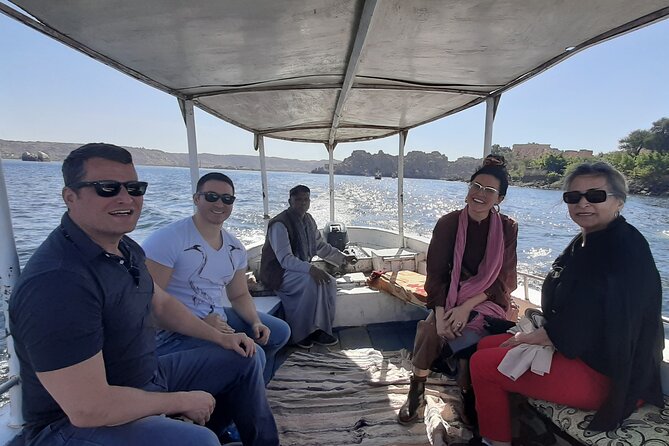
- Professional Egyptologist guidance at multiple major temples so you’re not guessing what matters
- High Dam + Philae Temple pairing, including the relocation story of Philae
- Kom Ombo’s double temple concept (Sobek and Haroeris) plus a crocodile museum stop
- Edfu and Luxor at the right intensity: well-known sites without spending all day trapped on buses
- Small-group pace (max 15) that makes questions and logistics easier
You can also read our reviews of more boat tours in Cairo


Aswan to Luxor: the pace of a 4-day Nile sail
This is a classic Nile route, but the smart part is how it balances sightseeing with motion. You’re not just “doing temples”—you’re traveling between them, with overnight stays in Aswan, Edfu, and Luxor. That overnight rhythm helps you avoid the worst kind of Egypt-day fatigue: constant early starts with nowhere to decompress.
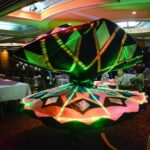
On the ship, you’ll have a swimming pool and onboard entertainment. There’s also an evening disco party mentioned for the Aswan start day, which sounds touristy—until you realize it’s actually nice to have something light after a long day of travel and walking. If you’re the kind of traveler who likes to keep evenings simple, this cruise does that well.
The pickup and transport are also built around reducing stress. You get air-conditioned minivan round-trip transfers, and the tour is set up with mobile ticketing. In practical terms, it helps you arrive on time at the start and not burn vacation hours figuring out local logistics.
Entering the story: High Dam and Philae Temple (Day 1)
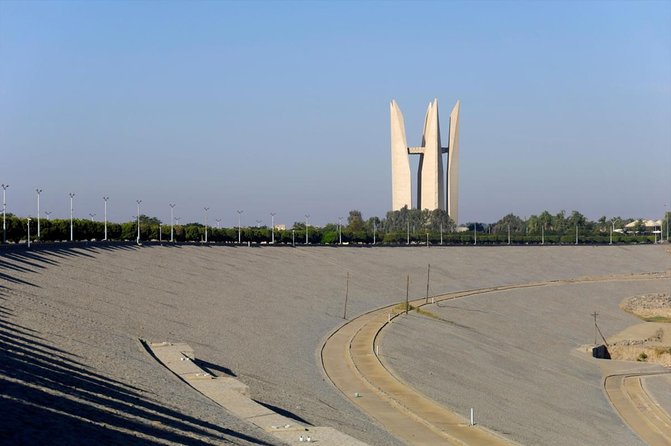
Aswan is where the Nile’s modern and ancient lives collide. The High Dam tour is your first big “context stop.” Even if you don’t love engineering facts, it’s useful because it explains why certain ancient structures were impacted once the river management changed.
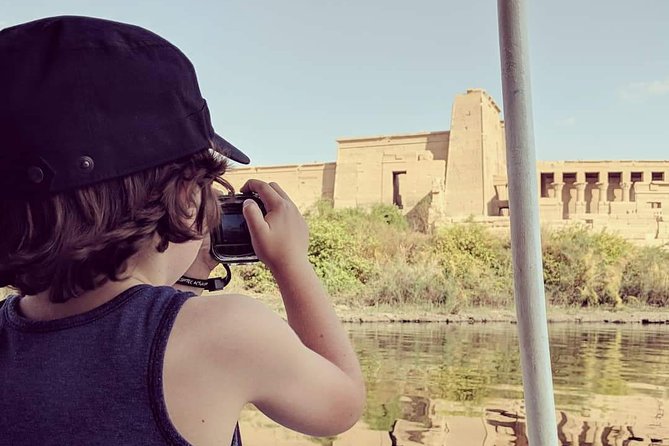
Right after that, you head to Philae Temple. What makes Philae especially memorable is its relocation history—Philae was submerged after the old dam conditions changed, and the temple was later moved. The tour calls out that this was a UNESCO-sponsored relocation process. That matters because you’ll look at the temple differently once you know it wasn’t simply abandoned; it was actively preserved and re-sited.
A practical note: Philae is a walking-and-stairs kind of experience. Wear shoes you trust. Also, admission tickets for Philae are listed as not included, so budget for that and keep some cash/card ready.
By the end of the day, you’re back on the ship for lunch/dinner onboard and an evening activity. This is the point in the trip where you can actually feel the rhythm shift—from intense sightseeing to “we’re traveling now.”
The early-bird Abu Simbel choice (Day 2)
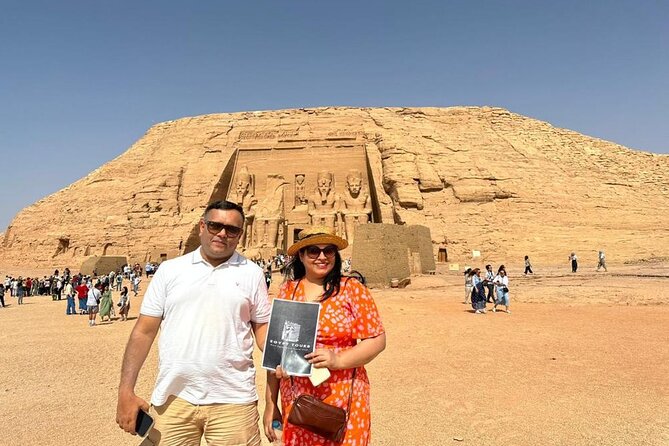
Abu Simbel is optional and runs with an early start. It’s described as a highlight memorial temple carved around 1290 B.C., and the timing is a sharp 4:00 a.m. departure with return planned so you’re back for lunch onboard around 13:30.
Two things to know before you decide:
- It’s an extra cost excursion, even though the admission ticket is listed as free in the provided details.
- The early start is real. If you’re prone to getting cranky before sunrise, choose this only if it’s a “must” for your Egypt checklist.
If you go, Abu Simbel is often worth it because it’s not just another temple stop. It’s a single, dramatic destination that rewards the effort—especially if you enjoy Egyptian monumental architecture and want a big set-piece beyond the Nile temples.
If you skip it, your day still includes major hits—so you won’t feel like you “missed the whole day.” The cruise route keeps going with Kom Ombo and toward Edfu.
Kom Ombo’s double-temple idea—and why it’s different
Kom Ombo is one of those places where you’ll feel like the tour is doing more than ticking boxes. The site is described as the only double temple in Egypt, shared by the crocodile-headed god Sobek and the falcon-headed god Haroeris. That “two sides, two beliefs” setup gives you something to look for as you walk.
After the temple, you’ll also have time connected to a crocodile museum stop. Even if you’re not a museum person, this can be a good break from temple time while still staying on theme. It also gives you an easier way to remember what you saw—Kom Ombo becomes less abstract once you connect it to animal symbolism in local religion.
Admission for Kom Ombo is listed as not included, so plan for that too. And expect a bit of guided walking and photo stops—like most big Egyptian temple visits, timing matters.
Then the day pivots into navigation: you’ll sail toward Edfu and overnight there. That navigation window is where I like to slow down—watching the river shift, letting your brain reset before the next big site.
You can also read our reviews of more evening experiences in Cairo





Edfu’s well-preserved Horus temple (Day 3 morning)
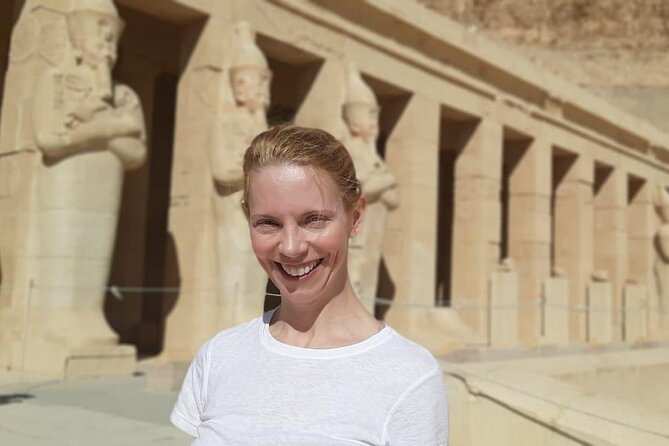
Edfu Temple is described as the most well-intact temple in Egypt, and it belongs to the falcon god Horus. That combination—intact condition plus clear divine theme—makes Edfu a strong stop if you care about how temples actually look when they haven’t been reduced to fragments.
You’ll have a morning visit to Edfu, and then you’ll navigate to Luxor via Esna. The Esna mention is useful because it hints that your afternoon won’t feel completely dead—there’s movement, change of scenery, and the sense that you’re traveling the river instead of sitting in a van all day.
Another practical point: because tickets aren’t included, it’s smart to mentally file “Edfu entrance” as an additional cost. The upside is that you’ll get a guided, structured visit—so you’re less likely to waste time wandering without a clue.
Luxor temple at night: Karnak and the sphinx line feel
Luxor is where the cruise starts to feel like the trip’s finale. In the evening, you’ll have a tour connected to Luxor Temple, with an extension into the area tied to Karnak—including the line of the sphinxes. That sphinx avenue is one of those visual sequences that’s hard to explain but easy to love once you walk it.
The tour time here is listed as about 2 hours for the Luxor Temple portion/extension. That means you get enough time to see key sights without getting crushed under a late-night schedule. Admission for these stops is also not included, so you’ll want to be ready for that when you arrive.
This is also a good day to remember the cruise’s structure: the ship is still your home base, so your evening sightseeing doesn’t require hotel check-ins or packing/unpacking battles.
Valley of the Kings + Hatshepsut + Karnak: the West Bank triple hit
On the final day, you leave the ship after breakfast and head to the West Bank and back into monumental Luxor highlights.
Valley of the Kings
The Valley of the Kings is described as the ancient Theban Necropolis area where more than 60 pharaohs have resting places carved into mountain cliffs. Even if you don’t know all the names, the setting is the point: rock-cut tombs, steep terrain, and a sense of scale.
The visit time is around 2 hours, and admission isn’t included. This is a good moment to pace yourself. Don’t try to speed-run every niche unless you’re sure tombs are your thing. If you’re tired, focus on the core view points the guide points out.
Hatshepsut at Deir el Bahari
Next is Hatshepsut’s Temple at Deir el Bahari. It’s described as a unique memorial feminine temple belonging to the “Tom boy queen” Hatshepsut, around 1475 B.C. The key value here is not only the story but the architecture. You’re looking at a temple complex designed to make you feel the power of the person behind the commission.
Time is about 1 hour, with admission not included. If you love palace politics, royal representation, and how rulers used monumental building to communicate authority, you’ll likely enjoy this stop a lot.
Karnak Temple
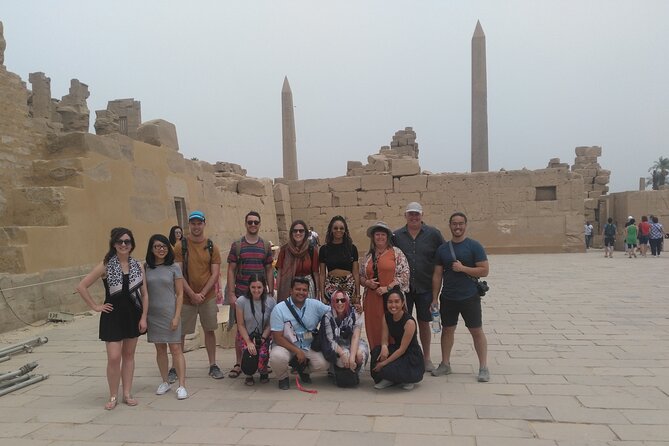
Then you return to Karnak, described as the most magnificent temple in Egypt and dedicated to Amun Ra. The time allotted is about 2 hours.
Karnak can overwhelm people because it’s big and layered. The best way to handle it is to let the guide structure your attention: pick a few key areas rather than trying to see everything.
This last stretch is where an Egyptologist guide really earns their keep. Without that kind of guidance, Karnak can turn into “lots of columns” instead of “the logic of a massive religious center.”
Meals on board: what full-board really means for your day
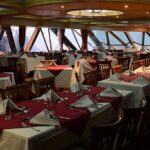
The cruise includes breakfast (3), lunch (3), and dinner (3) onboard, plus afternoon tea. For most people, that’s a big practical win. You can focus on temples and not spend time chasing food stops in between.
That said, the food quality seems to be the most variable element of the experience. One traveler described dinner and other nights as repetitive buffet-style with mostly rice, potatoes, bread, and small amounts of meat. Another praised meals as plentiful and varied enough at lunch and dinner, with freshly cooked options being the highlight, and service by a restaurant staff member named Mr Tarek.
So here’s the advice I’d give you:
- Assume it’s buffet-driven and plan your expectations accordingly.
- If you have dietary restrictions, be ready to adapt and ask staff questions early.
- Bring water habits in mind since drinks are not included.
If you’re the type who needs coffee or soft drinks with meals, this is one of those hidden costs you should budget. The included meals remove the “where do I eat?” problem, but they don’t remove the “what do I drink?” part.
Guides and group size: why it affects your comfort
This cruise runs with a maximum of 15 travelers, and that size matters more than you might think. Smaller groups tend to:
- move through ticket lines and temple entrances with less crowd pressure
- make it easier to hear the guide
- reduce the chance of you getting separated in a big wave of people
The tour includes a qualified Egyptology guide. In the feedback tied to this experience, Michael (and Mickael) is mentioned as being informative without turning into lecture mode. That balance is rare. You want explanations, but you don’t want to feel like you’re in a classroom.
Also, hospitality showed up in the form of staff help. Mr Tarek is mentioned for restaurant assistance, and that kind of support can make long days feel easier—especially when you’re tired from walking and heat.
Price and value: is $295 a fair deal?
At $295 per person for 4 days and 3 nights, this is priced as a mid-range way to get a lot of Egypt big hitters—without arranging separate tours for each city leg.
Here’s what you’re really paying for:
- Transport by air-conditioned minivan round-trip
- A qualified Egyptologist guide covering several major temples
- Philae, High Dam, Kom Ombo, Edfu, Luxor, Karnak, plus the West Bank sights like Valley of the Kings and Hatshepsut
- Full-board meals (breakfast/lunch/dinner) and afternoon tea
- A ship experience with overnight stays and a swimming pool
What you should account for:
- Entrance/admission tickets are not included for most stops
- Drinks are not included
- Tipping/gratuities are not included
- The optional Abu Simbel trip adds cost
So the real value question isn’t just the base price—it’s whether you want the convenience of guide + transport + meals bundled together. If you’d rather build your own route and manage tickets separately, you might spend less. But if you’d like a structured, low-planning trip that still feels authentic, this price can be a strong bargain.
Who should book this Nile cruise (and who should skip it)
This cruise is a good fit if you:
- want a guided introduction to major Egyptian temple sites
- like the idea of sleeping on the Nile and letting travel happen in-between
- prefer small-group movement (max 15)
- value included meals and onboard downtime
You might want to look elsewhere if:
- you expect a consistently high-end luxury ship experience (food and “boat standard” can vary in satisfaction)
- you hate early mornings and don’t want to consider the optional Abu Simbel
- you’re budgeting tightly and don’t want to deal with admission fees at multiple stops
Should you book this Aswan to Luxor cruise?
If your goal is to see a lot of Egypt’s signature temple landmarks with real context, and you like the calm rhythm of a Nile sail, I think this is a smart choice. The Egyptologist-led stops at Philae, Kom Ombo, Edfu, Luxor, Karnak, the Valley of the Kings, and Hatshepsut are a strong cluster, and the full-board meals make your days easier.
Just go in with your eyes open: admission tickets aren’t included for most sites, drinks and tipping are extra, and onboard food can be hit-or-miss depending on what you expect. If you plan for those realities, you’ll likely feel like you got your money’s worth.
FAQ
What cities does this Nile cruise cover?
This cruise runs from Aswan to Luxor over 4 days and 3 nights, with overnights in Aswan, Edfu, and Luxor.
What meals are included?
You get breakfast (3), lunch (3), and dinner (3), plus afternoon tea.
Is pickup included?
Yes, pickup is offered and transport is by air-conditioned minivan round-trip.
Does the tour include a guide?
Yes. It includes a qualified Egyptology guide.
Are temple admission tickets included?
Most admissions are not included (listed as not included for stops like Philae, High Dam, Kom Ombo, Edfu, Luxor, Karnak, Valley of the Kings, and Hatshepsut). The provided details also list admissions as not included for many stops.
Is Abu Simbel included?
Abu Simbel is optional with an extra cost. The details list admission ticket free for that optional stop, but it’s still described as an added excursion.
Is there a swimming pool on the ship?
Yes, the cruise includes a ship with a swimming pool.
How many people are in the group?
The tour has a maximum of 15 travelers.
Are drinks or gratuities included?
Drinks and tipping/gratuities are not included.