REVIEW · CAIRO
3 days Cairo Pyramids and Alexandria tour package
Book on Viator →Operated by Noga Tours Egypt · Bookable on Viator
This is a tight route through Egypt’s big hitters. You get a private guide for the heavy lifting, with hotel pickup and entrance tickets handled so the trip feels organized, not chaotic. I like how the days mix ancient Egypt and the later layers of Cairo, especially the Coptic churches and the Egyptian Museum. One thing to watch: you’ll want to confirm how entrance payments are handled day-to-day so there are no surprises on arrival.
What makes this package work is the pacing. Day 1 focuses on the Giza Plateau plus Saqqara and Memphis; Day 2 is museums and religious Cairo; Day 3 is a full Alexandria outing built around major monuments. In the best versions of this tour, guides like Aml and Ahmed Salem are described as attentive and flexible, and that matters because you’ll spend less time guessing and more time understanding what you’re looking at.
At $170 per person, it’s also priced like a value play: private transportation, a local guide, and multiple paid sites are included. The main consideration is simply stamina—3 days of touring across Cairo and a long Alexandria day can feel like a lot, even if the logistics are smoother than DIY.
In This Review
- Key points before you go
- Why this 3-day Cairo + Alexandria plan feels doable
- Day 1: Giza Pyramids, Sphinx, Saqqara, and Memphis in one sweep
- The main benefit on Day 1
- A practical consideration
- Day 2: Egyptian Museum, Saladin’s Citadel, and Coptic Cairo’s church-and-synagogue layer
- The Egyptian Museum of Antiquities on Tahrir Square
- Cairo Citadel and the Alabaster Mosque
- Coptic Cairo: St. Mary, St. Sergius, and Ben Ezra
- The main benefit on Day 2
- Day 3: Alexandria catacombs, Pompey’s Pillar, and Qaitbay Citadel
- Kom El Shokafa catacombs
- Pompey’s Pillar and the Sarbium Temple
- Qaitbay Citadel
- The main consideration on Day 3
- Guides and pacing: why private touring changes everything
- Price and logistics: what you’re really paying for
- One thing to verify before you go
- Tips and tipping
- What to wear and how to get comfortable
- Who this tour fits best
- Should you book this Cairo Pyramids and Alexandria package?
- FAQ
- Is hotel pickup included?
- What’s included in the tour price?
- How long is the tour?
- What Cairo sights are covered?
- What Alexandria sights are covered?
- Is this a private tour?
- Can I cancel and get a full refund?
Key points before you go
- Hotel pickup and private 2-way transfers reduce waiting around and keep the days efficient
- Two Cairo days + one Alexandria day means you hit Giza, Saqqara, Memphis, and then shift gears to Alexandria’s Roman and Ottoman-era sights
- Entrance fees and tickets included for the core sites listed in the itinerary
- Coptic Cairo is a standout mix of St. Mary, St. Sergius, and Ben Ezra, showing Cairo beyond pharaohs
- Vegetarian option is available if you request it ahead of time
- Private tour means it’s only your group (not a shared bus with strangers)
Why this 3-day Cairo + Alexandria plan feels doable

If you’ve ever tried to plan Cairo sites on your own, you know the problem: the distances, the ticket lines, the moving between areas, and the constant question of what order makes sense. This package solves a lot of that by tying your days to a private guide and private transportation, with hotel pickup mentioned right up front.
You also get a clear structure:
- Day 1 = the Giza Pyramid area plus Saqqara and Memphis
- Day 2 = Egyptian Museum, Cairo Citadel, and Coptic Cairo
- Day 3 = Alexandria with catacombs, Roman landmarks, and the Qaitbay Citadel
That structure matters because it groups sites by theme. You’re not bouncing back and forth across Cairo like a pinball. Instead, you’re moving in logical blocks—then changing cities on Day 3.
Value-wise, the “$170 per person” price is easier to justify when you consider what you’re actually buying: multiple big-ticket stops across Cairo and Alexandria, with entrance fees and tickets included and private transfers. The package doesn’t try to sell you a vague best-of tour. It names the places, and it’s built around visiting them.
A few more Cairo tours and experiences worth a look


Day 1: Giza Pyramids, Sphinx, Saqqara, and Memphis in one sweep
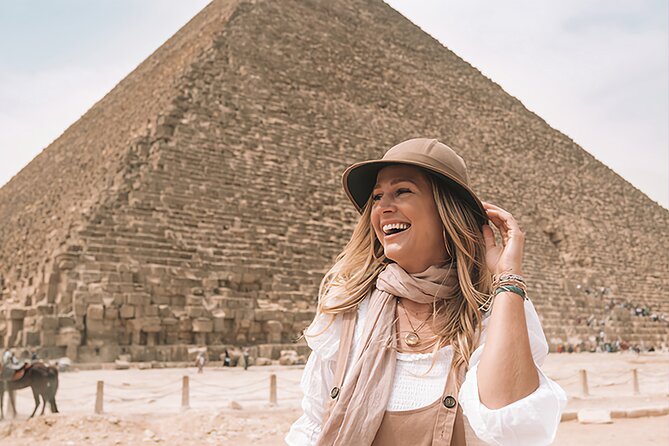
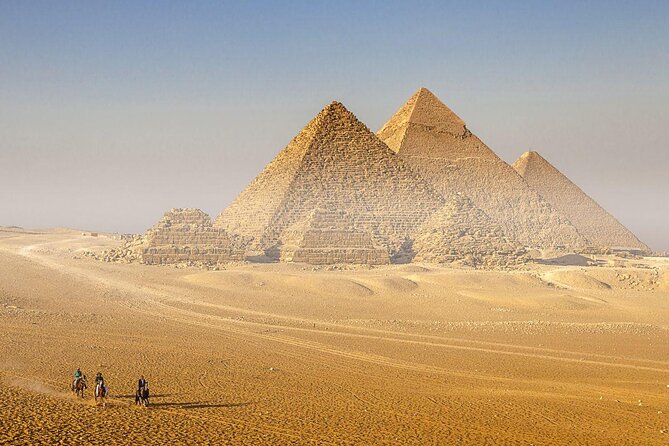
Day 1 starts in the morning after breakfast with pickup from your hotel and meeting your guide. From there, the focus is the Pyramids of Giza and the Sphinx. The itinerary specifically calls out the three pyramids—Cheops, Chephren, and Mycrenos—with the Sphinx guarding the area. Since these are some of the world’s most recognized ancient monuments, the real value here is not novelty. It’s context: a guide can help you read what you’re seeing, especially when you’re standing in front of structures built so long ago that your brain struggles to picture them.
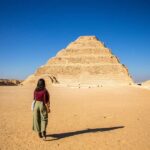
After Giza, you drive to Saqqara (Sakkara), described as part of the great necropolis of Memphis. You’re visiting the Saqqara pyramids, with the standout being the Step Pyramid of Zoser I, dated in the itinerary to around 2700 BC. It’s framed as the first pyramid and the world’s oldest stone structure, which gives you something useful to carry with you while you tour the area.
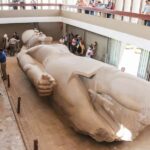
Then in the afternoon you head to Memphis, presented as the ancient capital and one of Egypt’s most important cities through history. The highlight in the itinerary is seeing large statues of Ramses II.
The main benefit on Day 1
This is the day that turns an Egypt photo album into a real place. Giza plus Saqqara plus Memphis is like moving through a timeline of ancient power—from the famous pyramid plateau to the earlier funerary complex and the capital city that supported it.
A practical consideration
The Day 1 list is ambitious. Even with private transport, you’ll be moving between sites and walking in outdoor settings. If you want a slower pace, plan to keep your expectations realistic: this tour is built to cover ground, not to linger all day in one exact spot.
Day 2: Egyptian Museum, Saladin’s Citadel, and Coptic Cairo’s church-and-synagogue layer
Day 2 is where the itinerary surprises people who expect only pharaohs. It’s museum Cairo, fortress Cairo, and then Cairo as a religious crossroads.



The Egyptian Museum of Antiquities on Tahrir Square
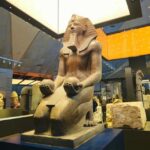
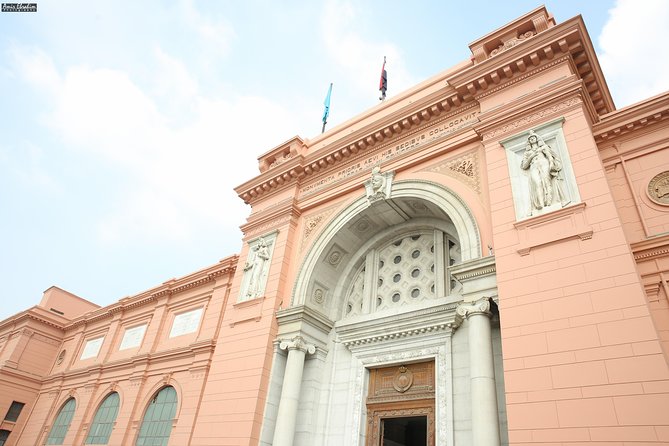
The day begins with the Egyptian Museum at Tahrir Square, described as one of the most famous museums in the world for antiquities dating back about 50 centuries. The itinerary emphasizes that you’ll see rare pharaonic artifacts and mummies, plus rooms connected to Tutankhamun.
This stop is valuable because it does the work the pyramids can’t. Standing outdoors gives you scale. A museum gives you detail—inscriptions, objects, and the personal story of royal life. If you care about history and artifacts, this is often the most satisfying day moment because it turns monuments into material culture.
Cairo Citadel and the Alabaster Mosque
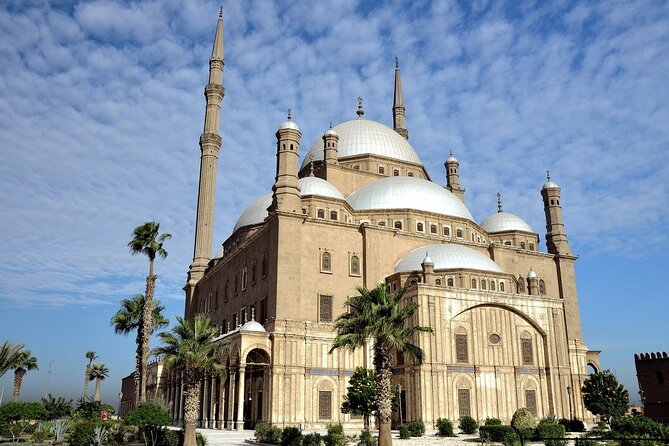
Next comes the Cairo Citadel, tied to Saladin, and the Alabaster mosque (the itinerary mentions it was once occupied by Mameluke and Ottoman palaces). Even without going deep into architecture terms, you can feel what the citadel represents: defensive power and political control across different eras.
Coptic Cairo: St. Mary, St. Sergius, and Ben Ezra
Then the tour shifts to Coptic Cairo, focusing on several key sites:
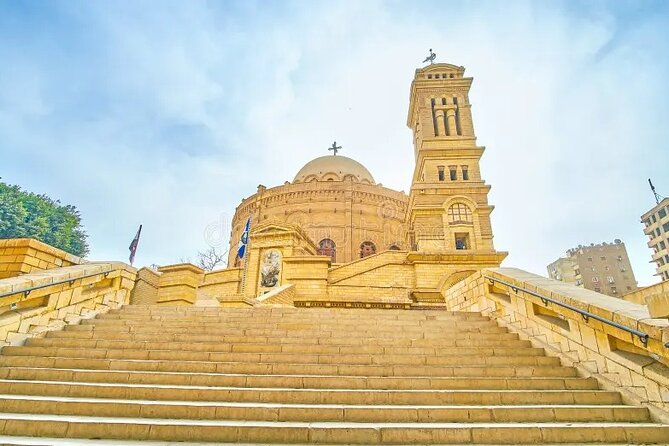
- Church of St. Mary (El-Moallaqah), also known by the itinerary’s common name the hanging church
- Church of St. Sergius, established at the end of the 4th century, described as standing on a crypt said to have sheltered the Holy Family during their flight to Egypt
- Ben Ezra synagogue, presented as originally a church called the Church of the Blind, later sold to the Jewish community
This mix is one of the biggest reasons I’d recommend this tour to first-timers. Cairo isn’t only ancient. It’s layered. You see Christianity, Judaism, and earlier Egypt all within the same day—so your understanding of Cairo becomes bigger than one civilization.
The main benefit on Day 2
I like that the day builds variety on purpose. It keeps the pace interesting: museum artifacts, a fortified historic viewpoint area, and then moving into churches and a synagogue that represent different communities and periods.
Day 3: Alexandria catacombs, Pompey’s Pillar, and Qaitbay Citadel
Day 3 is a full day in Alexandria, with your guide picking you up again from your hotel in the morning. The itinerary frames Alexandria through founders and rulers: it was built by Alexander the Great and later served as a capital under Cleopatra.
Then you get Roman-era and medieval maritime history in a tight sequence.
Kom El Shokafa catacombs
First stop: the Catacombs of Kom El Shokafa. The itinerary doesn’t list details inside, but the point is clear: this is an underground site, and it’s the kind of place where you can appreciate how Roman Alexandria treated death, memory, and architecture.
Pompey’s Pillar and the Sarbium Temple
Next comes Pompey’s Pillar, described as an ancient Roman column and one of Alexandria’s most famous monuments. The itinerary also mentions the Sarbium Temple in the same area.
This pair is useful because it anchors you in Alexandria’s Roman legacy fast. You don’t have to hunt for the “main” sights. The guide routes you through the key landmarks that help you read the city.
Qaitbay Citadel
Finally, you head to the Citadel of Qaitbay, established in 1477. The itinerary notes it’s surrounded by the sea on three sides, and it mentions the fortress walls and fences in the north-west.
If Cairo day is about seeing layers of Egyptian and religious history, Alexandria day is about seeing a coast city’s military importance. It’s one of those contrast days that helps you feel you got more than one Egypt.
The main consideration on Day 3
This is an 8-hour outing listed for Day 3, so it’s the day most likely to feel long. Alexandria is worth it, but go in knowing you’ll likely be on your feet and in transit more than you’d do on a shorter city break.
Guides and pacing: why private touring changes everything

This tour’s reputation isn’t just about the monuments. It’s about how the day is handled, and that comes down to the guide.
In the feedback associated with this route, guides like Aml and Ahmed Salem are described as knowledgeable and courteous, with one mention of the guide being attentive and flexible. Another detail that sticks is that the guide was so helpful that a guest ended up taking hundreds of photos.
That may sound like a small thing, but it points to a real value: a good guide can help you time your viewing, explain what you’re looking at, and keep the day moving without making you feel rushed.
Also, the tour lists that it’s a private tour/activity and that only your group participates. That matters in Cairo and Alexandria, where shared-group tours can turn into a herd. Here, your guide can react to your interests a bit more.
Price and logistics: what you’re really paying for
At $170 per person, the key question is whether you’re getting enough built-in value to make it worth skipping DIY. Here’s what’s included:
- Local guide and also a professional art historian guide
- Private transportation
- Cairo coverage for Pyramids and Saqqara and Memphis, plus Egyptian Museum, Citadel of Saladin, and Coptic Cairo
- Alexandria day tour
- Entrance fees and tickets
Also listed as included is pickup offered, and the highlights mention private 2-way transfers direct from your hotel. That’s the kind of practical service that quietly saves energy. In Cairo especially, it’s not just about reaching places—it’s about reducing the mental overhead of getting places.
One thing to verify before you go
One past experience included an issue connected to paying entrances, at least based on the limited note available. Since the package says tickets are included, I’d still recommend doing one simple sanity check before the tour starts: confirm how the entrance tickets are covered for your group, and ask what happens if something needs extra payment.
That quick step can prevent a mid-day headache.
Tips and tipping
Tipping isn’t included. So plan on that extra cost even if everything else is handled.
What to wear and how to get comfortable
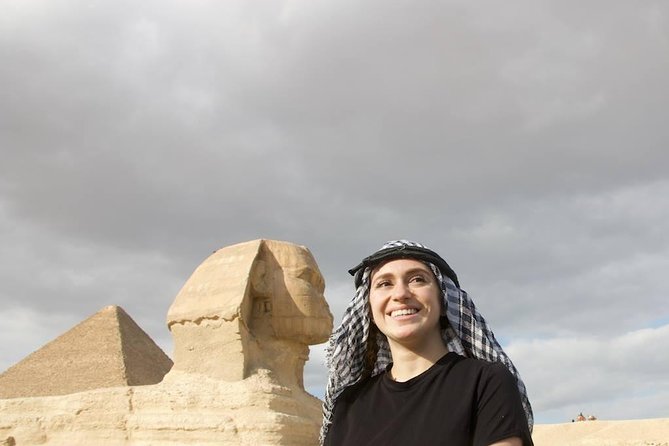
The tour specifies a smart casual dress code. So aim for clothes that look presentable but don’t restrict your movement.
Because the itinerary includes pyramids, churches, and outdoor historic areas, you’ll do lots of walking and standing. The most practical approach is to dress for comfort while staying within the smart casual rule.
If you need food options, the package says a vegetarian option is available—just advise at booking.
Who this tour fits best
This is a strong match if you want:
- A first-time Cairo experience that also includes Alexandria
- A mix of ancient monuments and later Cairo layers like Coptic Cairo
- A guide-led day plan that removes most of the guesswork
- Private comfort through hotel pickup and private transportation
It’s less ideal if you hate structured schedules or if you’re looking for an open-ended day with no set sequence. This route is built to cover a lot, on purpose.
Should you book this Cairo Pyramids and Alexandria package?
I’d book it if you want a guided, efficient three-day hit list: Giza + Saqqara + Memphis, then Egyptian Museum + Citadel + Coptic Cairo, and finally Alexandria’s catacombs, Pompey’s Pillar, and Qaitbay Citadel. The included entrance fees and tickets plus private transportation make the $170 price easier to justify.
I’d think twice if you want a super-slow pace or if you’re very sensitive to a long day in Alexandria. Also, do a quick check in advance about how entrance tickets are handled in practice, since even when tickets are included, misunderstandings can still happen.
If you go in with realistic expectations and a willingness to move through the days, this is one of those Egypt plans that turns stress into sightseeing.
FAQ
Is hotel pickup included?
Yes. Pickup is offered, and the package highlights mention private 2-way transfers from your hotel.
What’s included in the tour price?
The tour includes a local guide, a professional art historian guide, private transportation, the listed Cairo and Alexandria sightseeing, and entrance fees and tickets.
How long is the tour?
It’s a 3-day tour (approx.). Day 3 in Alexandria is listed as an 8-hour day.
What Cairo sights are covered?
You’ll visit the Pyramids of Giza and the Sphinx area, Saqqara and Memphis, the Egyptian Museum, the Citadel of Saladin with the Alabaster mosque, and Coptic Cairo (St. Mary, St. Sergius, and Ben Ezra synagogue).
What Alexandria sights are covered?
The Alexandria day includes the Catacombs of Kom El Shokafa, Pompey’s Pillar and the Sarbium Temple, and the Citadel of Qaitbay.
Is this a private tour?
Yes. It’s a private tour/activity, and only your group will participate.
Can I cancel and get a full refund?
Yes. Free cancellation is allowed, with a full refund if you cancel up to 24 hours in advance of the experience’s start time.